History
-
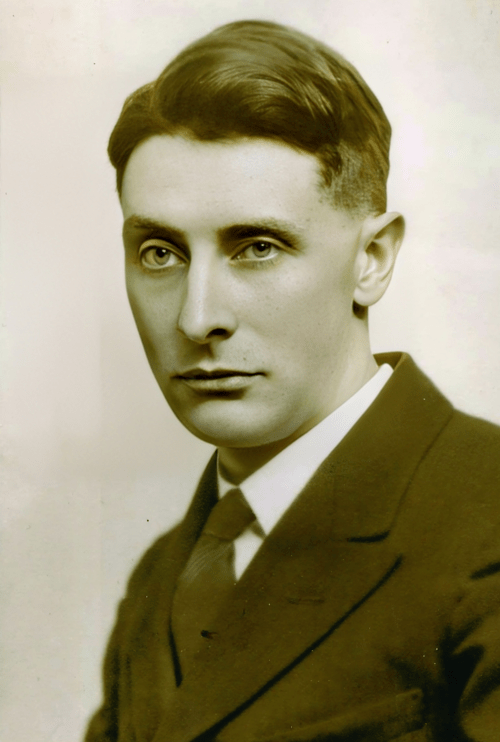
George Gilmore was a key figure in twentieth-century Irish republicanism, transitioning from militant nationalism to socialist republicanism. His life reflects ideological divides in the revolutionary tradition, emphasizing class struggle alongside national sovereignty. An active participant in the Republican Congress and the Spanish Civil War, Gilmore advocated for social justice, leaving a lasting impact on radical…
-
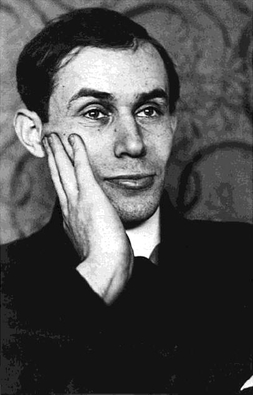
Arkadi Maslow, a significant figure in the German communist movement, was known for his intellectual contributions and leadership roles in the early Communist Party of Germany. His career, marked by radicalization, theoretical debates, and eventual marginalization under Stalinism, reflects the challenges faced by revolutionary intellectuals during this pivotal historical period.
-
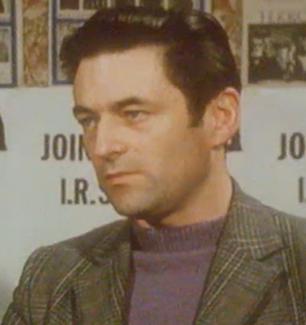
Seamus Costello was a pivotal figure in Irish republicanism, merging militant nationalism with socialism during the late twentieth century. His political career, spanning from the 1950s to the 1970s, involved significant roles in the IRA and later the Irish Republican Socialist Party. Costello’s assassination in 1977 marked a crucial turning point for revolutionary movements in…
-
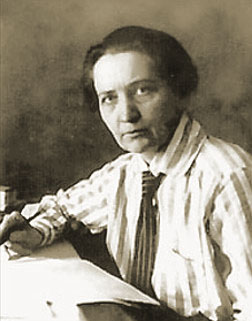
Yevgenia Bosch was a significant yet frequently overlooked figure in the Russian Revolution, emerging as a leading Bolshevik in Ukraine. Her tenure as one of the first female government heads illustrated both her capability and the complex dynamics of Bolshevik governance. Bosch’s unwavering ideological commitment ultimately led to her marginalization and tragic end, reflecting the…
-
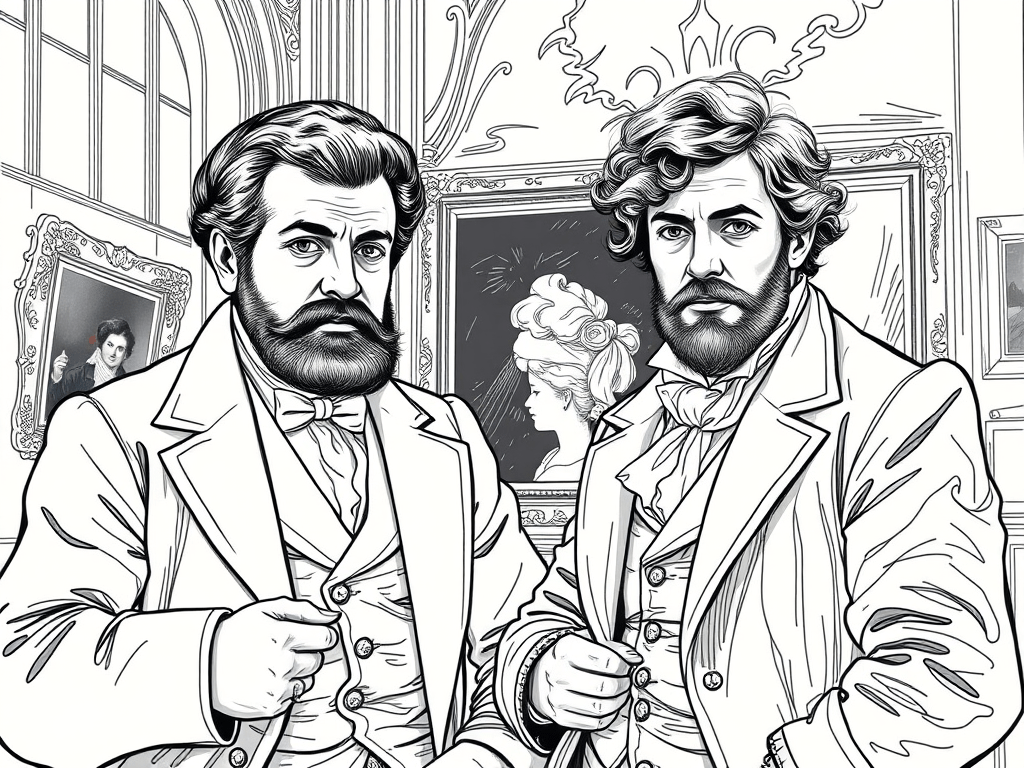
Ross King’s The Judgment of Paris examines the emergence of Impressionism in 19th-century France, contextualizing it within political turmoil and aesthetic debates. Through the rivalry of Meissonier and Manet, King critiques the Paris Salon’s role in artistic legitimacy and illustrates how socio-political events influenced cultural transformation. The book blends art history with narrative, making it…
-
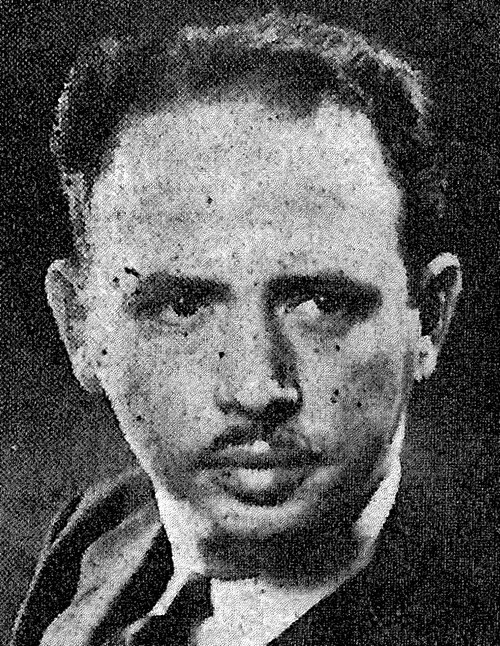
Max Shachtman (1904–1972) was a pivotal figure in U.S. Marxism, influencing movements from Trotskyism to democratic socialism. He founded the Workers Party, promoting “bureaucratic collectivism” and the “Third Camp” concept during WWII. His later shift towards social democracy and labor liberalism sparked debate about his legacy and impact on the American left.
-

Alan Woods’s The First World War: A Marxist Analysis of the Great Slaughter critically examines the war through the lens of Marxist theory, arguing it emerged from capitalist imperialism. Woods connects high politics to political economy, emphasizing class transformation during the war and the interplay between capitalism and social consciousness, offering a coherent macro-interpretation of…
-
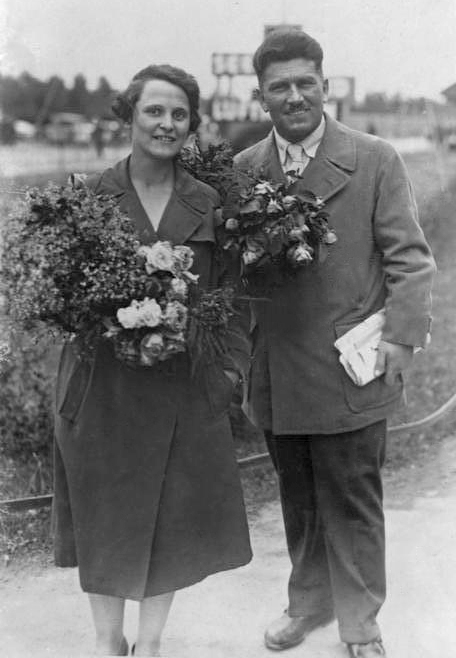
Max Hoelz was a key figure in the revolutionary movements of Weimar Germany, known for his militant approach rather than formal party ideology. His life journey from working-class poverty to leading armed uprisings in a chaotic political landscape highlights the tensions between revolutionary action, mass politics, and state repression, illustrating the complex dynamics of class…
-
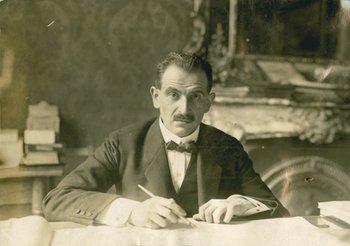
Otto Bauer was a pivotal Marxist theorist in early 20th-century Europe, known for integrating revolutionary Marxism with democratic practice amid the Habsburg Empire’s crises. His work on nationalism and socialism sought to address multiethnic complexities. Despite significant contributions, his reformist strategies faced challenges, culminating in the decline of Austrian socialism post-1934.
-
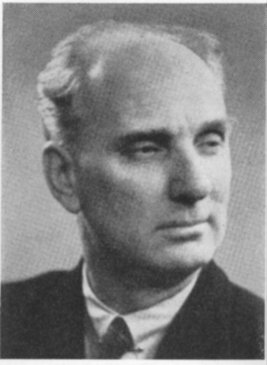
Ture Nerman was a significant figure in Swedish political history, serving as a poet, journalist, and communist leader. He played a crucial role in shaping socialist thought, criticizing militarism and nationalism during World War I, and rejecting Stalinism in favor of anti-fascism and democratic freedoms. Nerman remained influential until his death in 1969.

