History
-
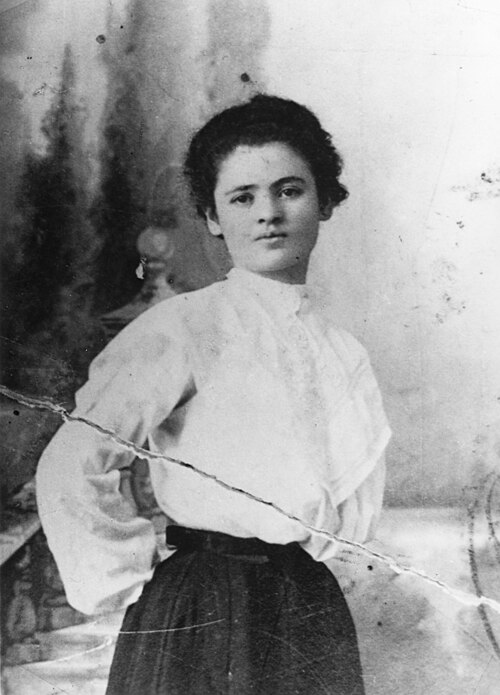
Clara Lemlich (1886–1982) was a Jewish immigrant garment worker whose militant socialism and feminist labor activism helped ignite the 1909 “Uprising of the 20,000.” A rank-and-file organizer, she fused workplace struggle, women’s emancipation, and community activism into a lifelong commitment to working-class power.
-
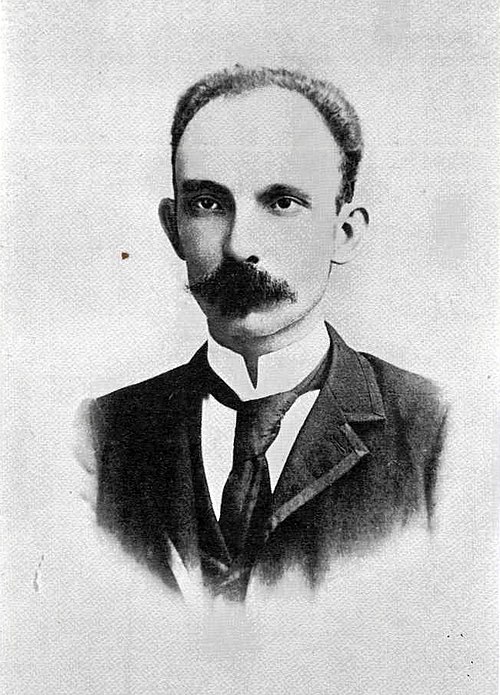
José Martí was a prominent Cuban poet and political thinker whose work profoundly influenced anti-imperialism and nationalism in the Americas. Born in 1853, his writings advocated for independence, racial equality, and civic virtue. Martí’s legacy is significant in shaping Latin American identity and revolutionary thought, emphasizing justice and resistance against oppression.
-
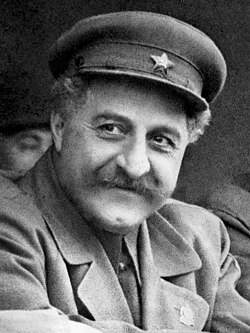
Sergo Ordzhonikidze, a prominent Bolshevik figure during the Stalin era, transitioned from revolutionary to key economic administrator, notably as People’s Commissar of Heavy Industry. His integration of the Caucasus into Soviet governance and eventual coerced death in 1937 illustrate the perilous nature of Stalin’s regime, marking him as both a modernizer and a victim of…
-

Alan Woods’ “Ireland: Republicanism and Revolution” examines Irish republicanism through a Marxist lens, arguing that its historical struggles intertwine with class dynamics rather than merely national identity. Woods emphasizes the need for working-class politics in any reunification efforts, critiquing past compromises that stabilized capitalist order while grappling with the complex nature of republicanism’s varied traditions.
-
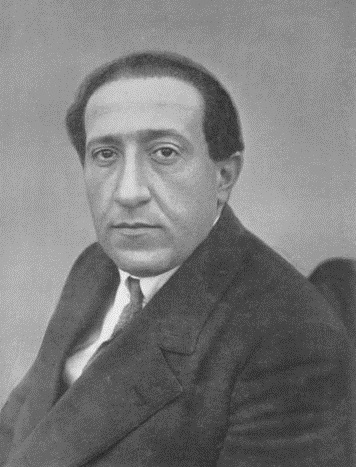
József Pogány was a Hungarian communist revolutionary and journalist active during WWII and the Hungarian Soviet Republic of 1919. His career reflected the challenges faced by revolutionary intellectuals amid political turmoil. After exile from Hungary, he engaged with the Comintern but was ultimately arrested and executed during Stalin’s Great Purge in 1938.
-

Ian W. Toll’s “Twilight of the Gods” concludes his Pacific War trilogy, exploring the final phase of the conflict from mid-1944 to 1945. The book intricately weaves operational history with high command decisions, emphasizing the complexities of American and Japanese military strategies. Toll highlights institutional dynamics, moral dilemmas, and the profound human costs of war,…
-
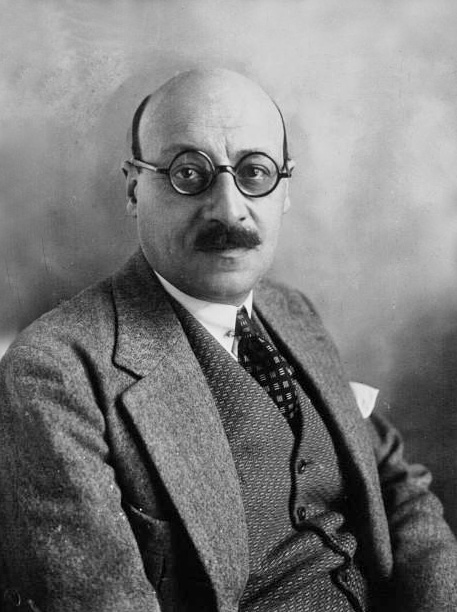
Ludovic-Oscar Frossard, born in 1889, was a pivotal figure in French socialism, transitioning from ethical socialism to communism post-World War I. He played a key role in the Communist Party’s formation but later rejected its authoritarianism. His involvement in the Vichy regime tainted his legacy, leaving him politically isolated until his death in 1946.
-
Book Review Fitzpatrick, Sheila. Everyday Stalinism: Ordinary Life in Extraordinary Times: Soviet Russia in the 1930s. Oxford UP, 1999. Sheila Fitzpatrick’s Everyday Stalinism: Ordinary Life in Extraordinary Times: Soviet Russia in the 1930s (first published 1999) is among the most influential works of late–20th-century “revisionist” Soviet social history: it shifts the analytic spotlight away from…
-
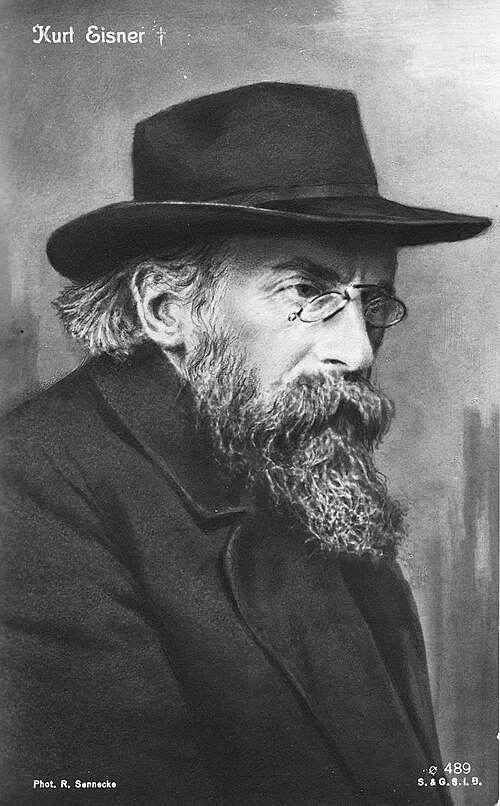
Kurt Eisner was a German socialist revolutionary and journalist, central to the Bavarian Revolution of 1918. He advocated for ethical socialism emphasizing moral agency and democracy. Eisner’s tenure as Minister-President was brief and ended with his assassination, but his ideas influenced German socialism and debates on democracy and ethics significantly.
-
Felix Morrow was a significant figure in twentieth-century American Marxism, known for his critical stance on Stalinism and Trotskyism. His influential work, “Revolution and Counter-Revolution in Spain,” analyzed the Spanish Civil War, attributing its failure to Stalinist policies. Morrow later reassessed Marxism, emphasizing the importance of social forces over rigid ideological frameworks.

