History
-
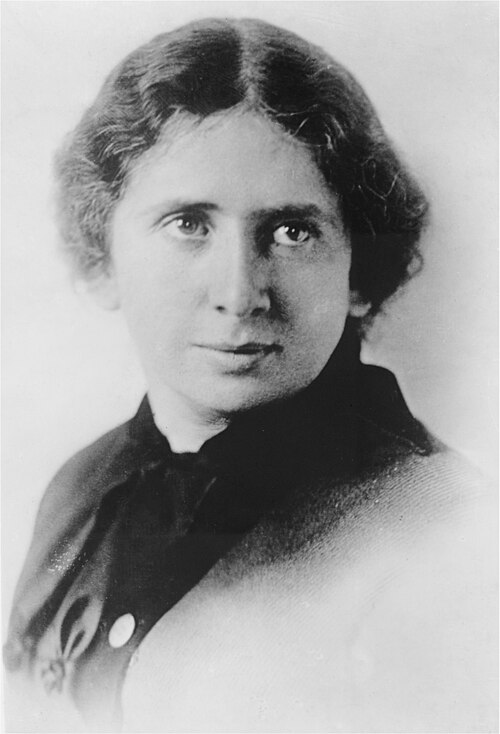
Rose Schneiderman was a pivotal labor organizer and feminist during the twentieth century, advocating for working women’s rights, particularly in the garment industry. Her activism merged socialism, unionism, and feminism, focusing on workplace safety and equal pay. Schneiderman’s enduring legacy includes significant contributions to labor reform and the political empowerment of women.
-
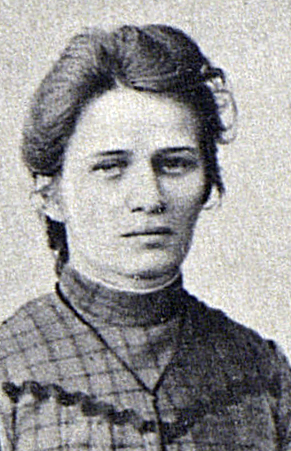
Lyubov Nikolaevna Radchenko’s contributions to the Russian revolutionary movement exemplify the essential yet often overlooked roles of women activists. While overshadowed by prominent figures, her work as an underground organizer highlights the critical organization and education within the Bolshevik context. Radchenko’s story reveals the vital labor behind major revolutionary transformations.
-
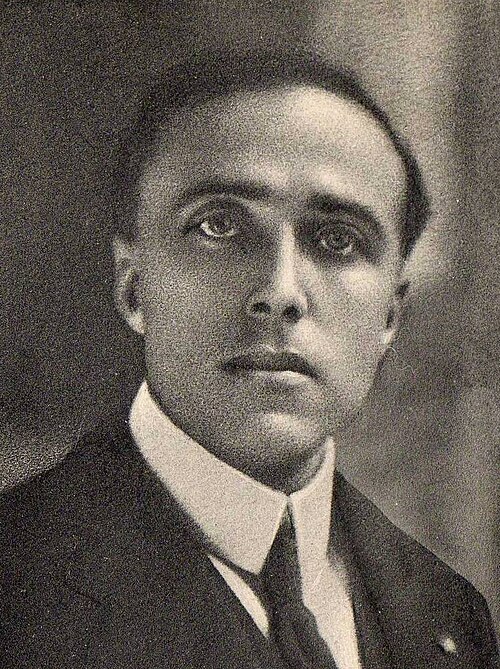
Giacomo Matteotti, a prominent reformist socialist and critic of Mussolini, became a symbol of anti-fascist resistance after his assassination in 1924. His commitment to parliamentary democracy and opposition to fascism marked him as a key political figure in Italy. Matteotti’s legacy endures as a moral champion for democracy amidst authoritarianism.
-
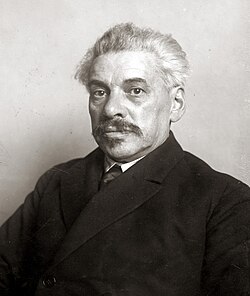
Adolf Warski was a significant figure in early twentieth-century socialism, rooted in Polish Marxism and aligned with internationalist movements. Though he became a leading member of the Communist Workers’ Party of Poland post-1917, his loyalty was tested under Stalin’s regime, leading to his execution during the Great Purges. His life illustrates the complexities of revolutionary…
-
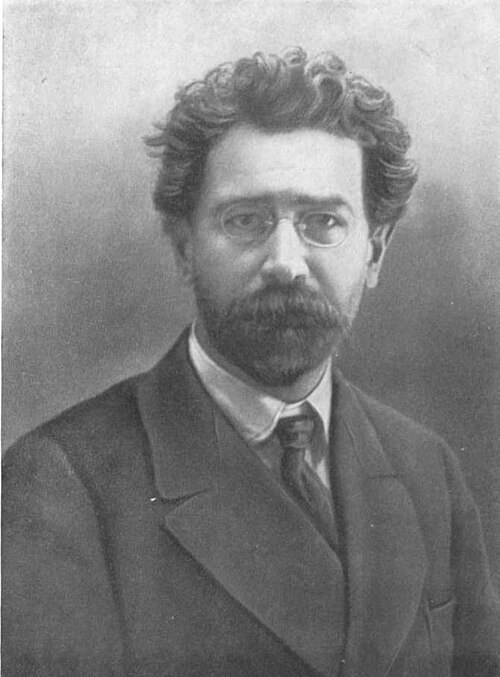
Viktor Pavlovich Nogin, a notable Bolshevik, advocated for socialist coalition during the Russian Revolution, opposing one-party rule. His working-class roots and experiences shaped his political stance, emphasizing collaboration among socialists. Though marginalized post-revolution, Nogin’s legacy highlights internal conflicts within early Soviet politics and the broader dynamics of revolutionary change.
-
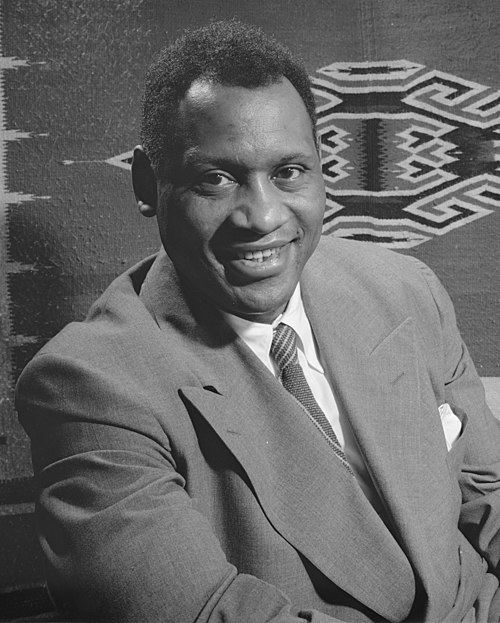
Paul Robeson (1898-1976) was a multifaceted figure who seamlessly integrated culture, law, and politics while critiquing racial capitalism and imperialism. A gifted performer and activist, he used his art as a tool for social justice and global anti-fascism, influencing civil rights movements and challenging systemic racism throughout his life.
-

Julius Fučík (1903–1943) was a prominent communist intellectual and anti-fascist martyr whose writings, particularly “Notes from the Gallows,” symbolize resistance against oppression. His early involvement in leftist circles shaped his literary approach. Posthumously, his legacy remains debated, reflecting complexities of ideology and political narrative in Central Europe.
-

Rosa Luxemburg’s “The National Question: Selected Writings,” edited by Horace B. Davis, presents a critical Marxist analysis of nationalism, arguing against national self-determination as a solution under capitalism. The collection highlights Luxemburg’s rigorous critique of class dynamics and the limitations of nationalist politics, while remaining influential in contemporary discussions on internationalism and socialist strategy.
-
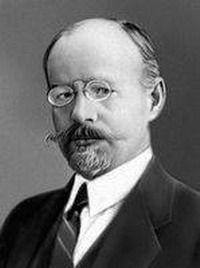
Alexander Shotman, an Old Bolshevik organizer and close associate of Lenin, rose from worker origins to help sustain the revolutionary underground and early Soviet state. Transitioning into administration after 1917, he remained loyal but fell victim to Stalin’s Great Purge in 1937, later rehabilitated as a symbol of Bolshevism’s tragic trajectory.
-

Orlando Figes’s The Whisperers examines everyday life in Stalin’s Russia, focusing on the intimate effects of state repression on personal relationships and identities. Relying on oral histories, Figes reveals the pervasive culture of fear and silence that shaped Soviet citizens’ experiences, while critically engaging with issues of memory and trauma in historical narratives.

