Socialist Hall of Fame
-
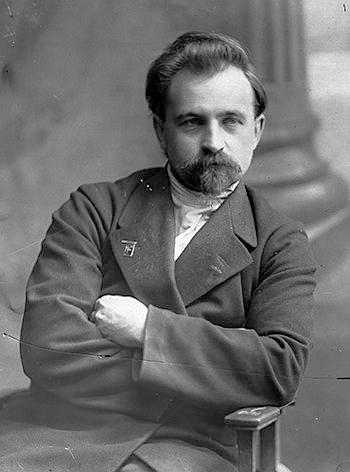
Yevgeny Preobrazhensky was a key figure in the Russian Revolution, known for his intellectual contributions to Marxist economics. As a Bolshevik, he theorized the complexities of socialist construction in Russia, focusing on “primitive socialist accumulation.” His political stance aligned with the Left Opposition, leading to his marginalization and execution during Stalin’s purges.
-
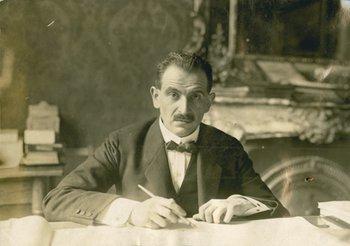
Otto Bauer was a pivotal Marxist theorist in early 20th-century Europe, known for integrating revolutionary Marxism with democratic practice amid the Habsburg Empire’s crises. His work on nationalism and socialism sought to address multiethnic complexities. Despite significant contributions, his reformist strategies faced challenges, culminating in the decline of Austrian socialism post-1934.
-
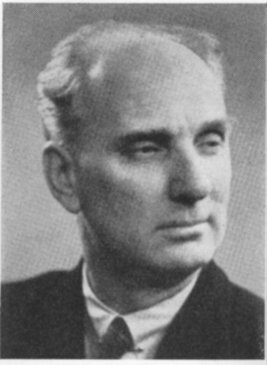
Ture Nerman was a significant figure in Swedish political history, serving as a poet, journalist, and communist leader. He played a crucial role in shaping socialist thought, criticizing militarism and nationalism during World War I, and rejecting Stalinism in favor of anti-fascism and democratic freedoms. Nerman remained influential until his death in 1969.
-
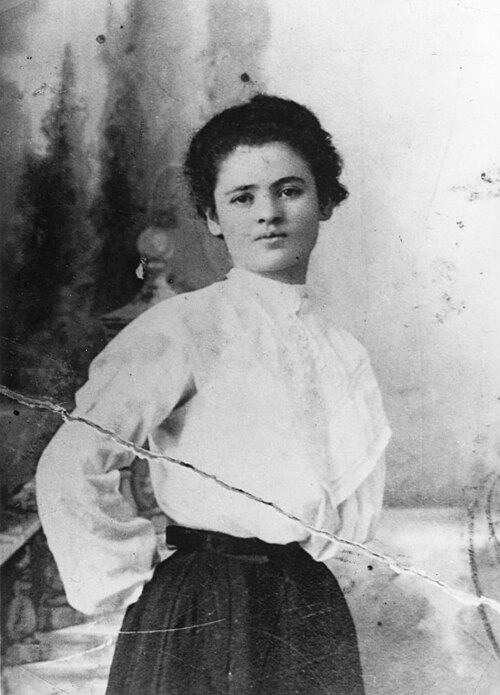
Clara Lemlich (1886–1982) was a Jewish immigrant garment worker whose militant socialism and feminist labor activism helped ignite the 1909 “Uprising of the 20,000.” A rank-and-file organizer, she fused workplace struggle, women’s emancipation, and community activism into a lifelong commitment to working-class power.
-
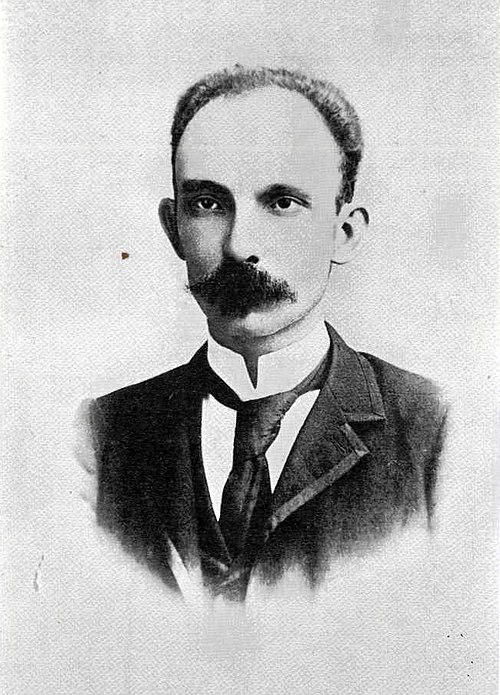
José Martí was a prominent Cuban poet and political thinker whose work profoundly influenced anti-imperialism and nationalism in the Americas. Born in 1853, his writings advocated for independence, racial equality, and civic virtue. Martí’s legacy is significant in shaping Latin American identity and revolutionary thought, emphasizing justice and resistance against oppression.
-
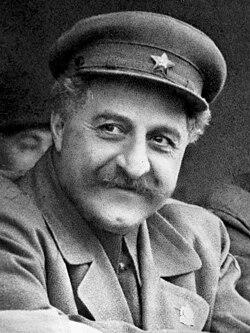
Sergo Ordzhonikidze, a prominent Bolshevik figure during the Stalin era, transitioned from revolutionary to key economic administrator, notably as People’s Commissar of Heavy Industry. His integration of the Caucasus into Soviet governance and eventual coerced death in 1937 illustrate the perilous nature of Stalin’s regime, marking him as both a modernizer and a victim of…
-
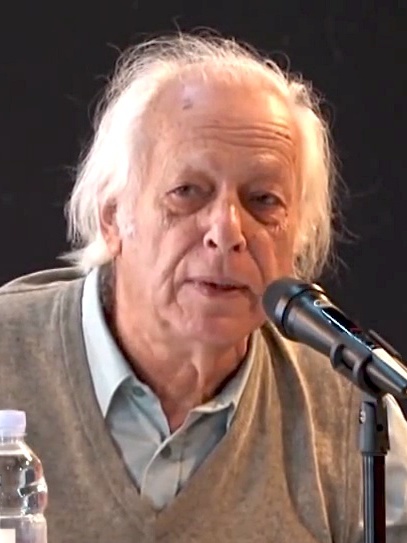
Samir Amin was a pivotal Marxist economist known for his extensive work on global capitalism, imperialism, and underdevelopment. His theories challenged modernization models and emphasized capitalism’s unequal structure as integral to underdevelopment. Amin’s contributions shaped debates on anti-imperialist strategies and continue to influence discussions on political economy and globalization.
-
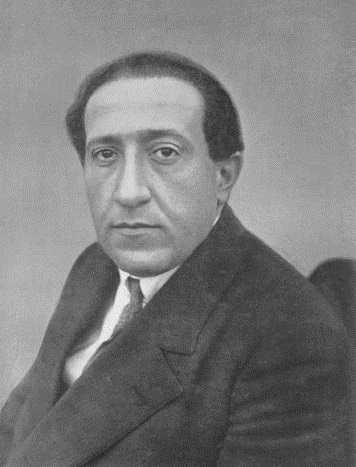
József Pogány was a Hungarian communist revolutionary and journalist active during WWII and the Hungarian Soviet Republic of 1919. His career reflected the challenges faced by revolutionary intellectuals amid political turmoil. After exile from Hungary, he engaged with the Comintern but was ultimately arrested and executed during Stalin’s Great Purge in 1938.
-
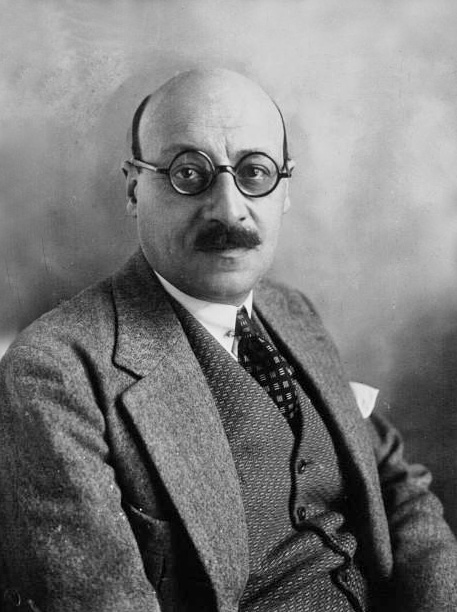
Ludovic-Oscar Frossard, born in 1889, was a pivotal figure in French socialism, transitioning from ethical socialism to communism post-World War I. He played a key role in the Communist Party’s formation but later rejected its authoritarianism. His involvement in the Vichy regime tainted his legacy, leaving him politically isolated until his death in 1946.
-
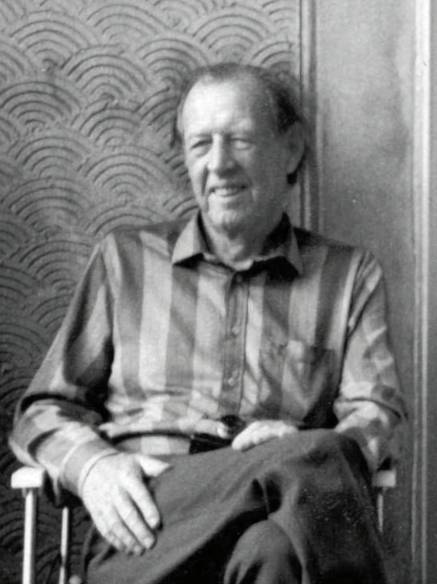
Raymond Henry Williams, a prominent Marxist cultural theorist, influenced cultural studies through his concepts of culture as a way of life and structures of feeling. His works, including “Culture and Society” and “The Long Revolution,” emphasize culture’s role in social processes, resisting reductionist views. Williams’s contributions to literature, media studies, and political theory remain significant.

