-
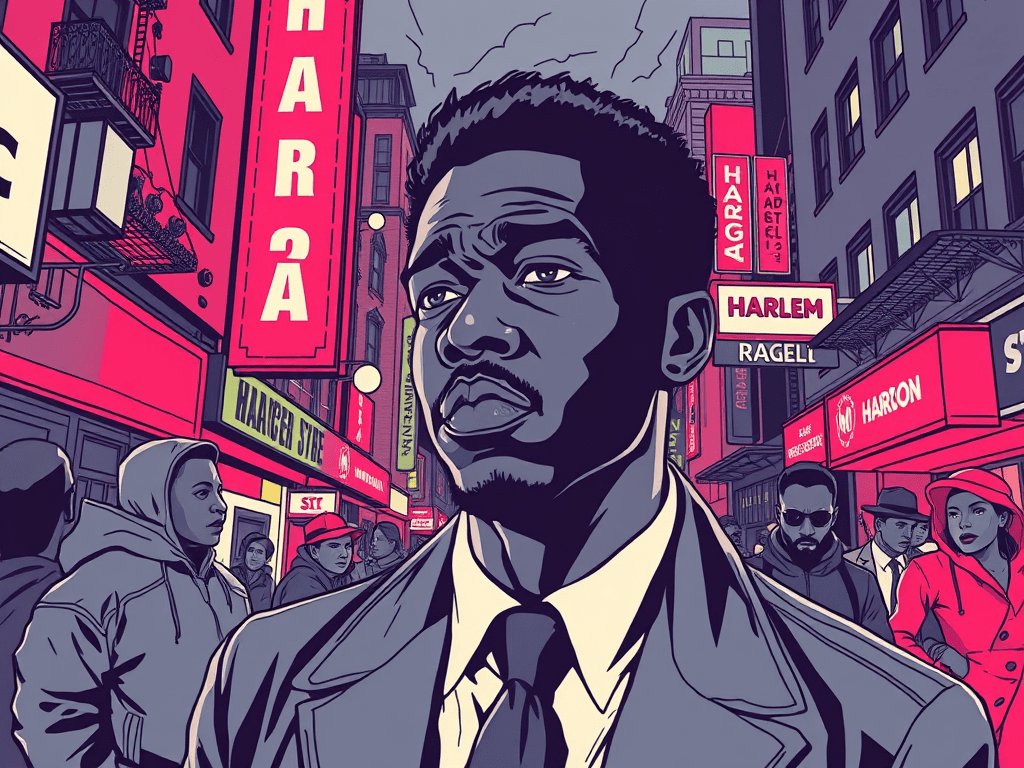
Chester Himes’s The Crazy Kill presents Harlem not merely as a setting but as a politically charged environment shaped by exploitation and violence rooted in racial capitalism. The novel critiques traditional detective fiction by revealing systemic issues rather than restoring order, portraying violence as a product of societal constraints and illustrating the complexities of policing…
-
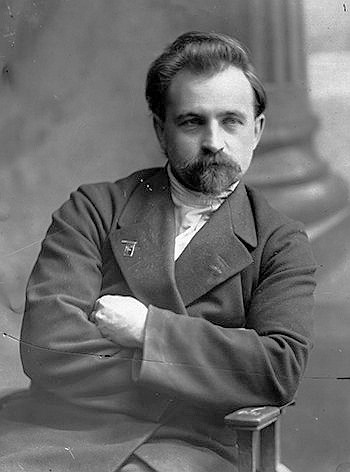
Yevgeny Preobrazhensky was a key figure in the Russian Revolution, known for his intellectual contributions to Marxist economics. As a Bolshevik, he theorized the complexities of socialist construction in Russia, focusing on “primitive socialist accumulation.” His political stance aligned with the Left Opposition, leading to his marginalization and execution during Stalin’s purges.
-
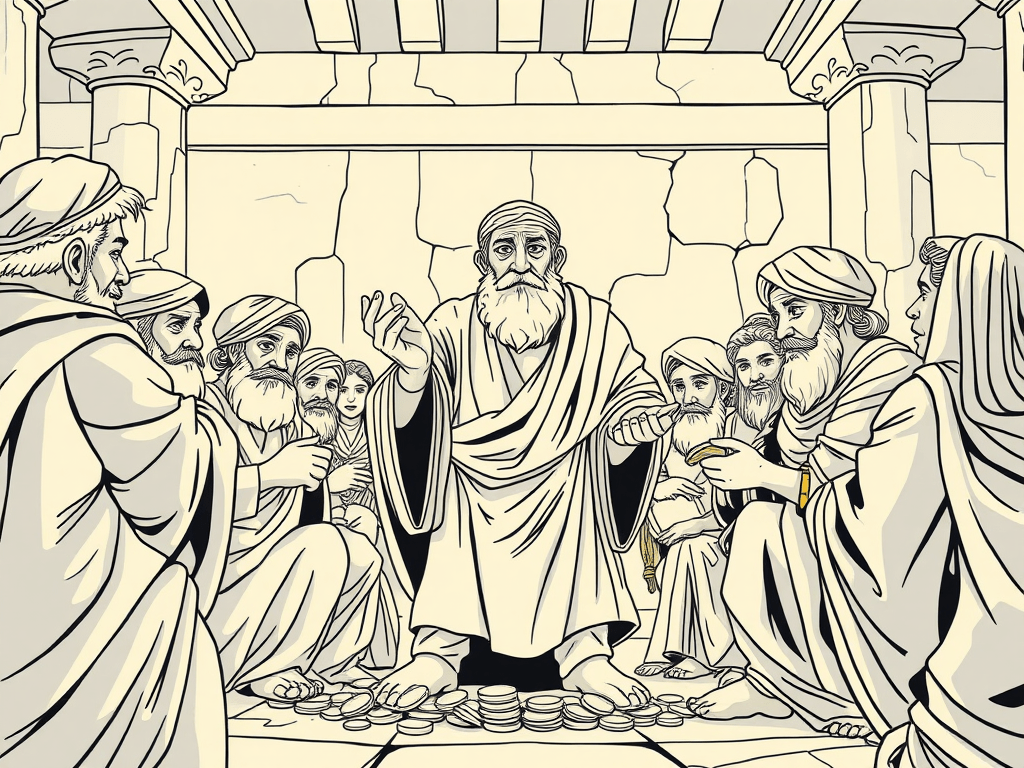
Aristophanes’s “Wealth” critiques social inequality through the character of Ploutos, illustrating how wealth distribution is morally flawed rather than a critique of ownership. The play highlights the paradox of poverty as a necessary discipline for labor while framing solutions within a conservative, reformist ideology that seeks comfort for the middle class rather than systemic change.
-
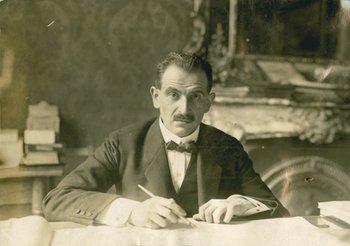
Otto Bauer was a pivotal Marxist theorist in early 20th-century Europe, known for integrating revolutionary Marxism with democratic practice amid the Habsburg Empire’s crises. His work on nationalism and socialism sought to address multiethnic complexities. Despite significant contributions, his reformist strategies faced challenges, culminating in the decline of Austrian socialism post-1934.
-
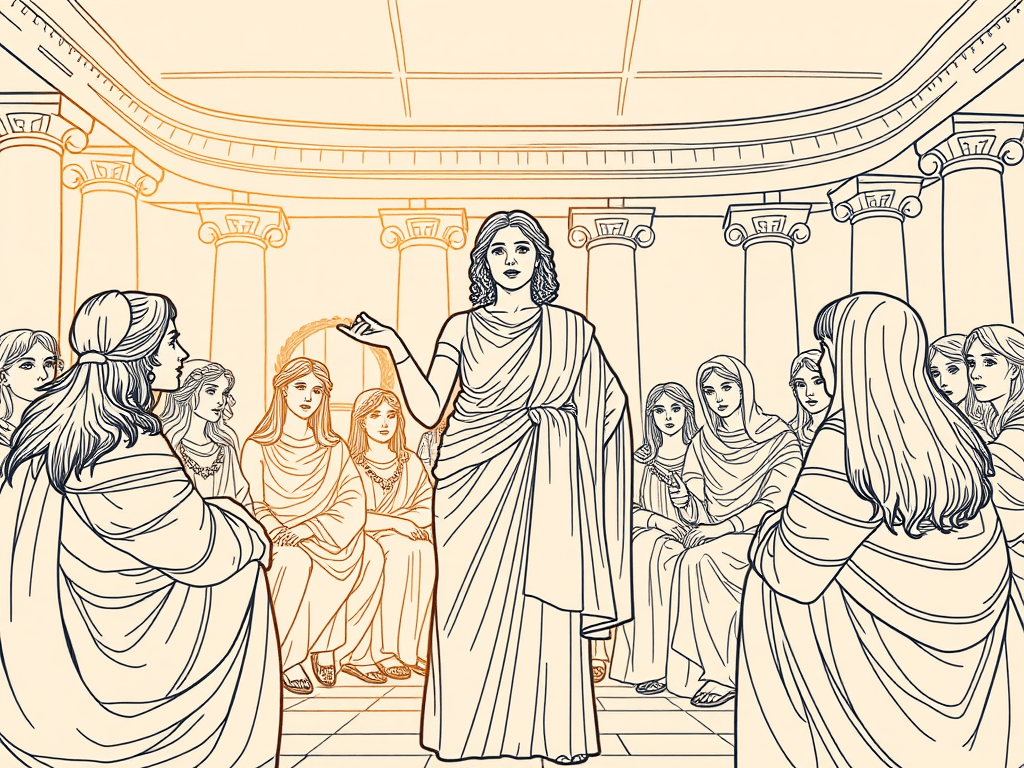
Aristophanes’s “Assemblywomen,” produced in the early fourth century BCE, explores women’s political agency through satire. The play reflects Athens’s post-war discontent, merging politics with sexual economy. Protagonist Praxagora advocates for radical reforms, critiquing male governance. The comedy highlights the complexities and dangers of egalitarianism in a struggling democracy, revealing political exhaustion.
-
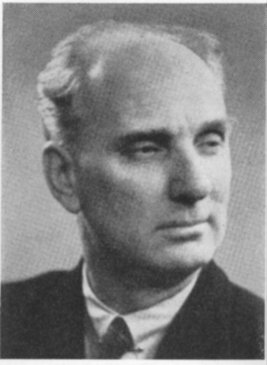
Ture Nerman was a significant figure in Swedish political history, serving as a poet, journalist, and communist leader. He played a crucial role in shaping socialist thought, criticizing militarism and nationalism during World War I, and rejecting Stalinism in favor of anti-fascism and democratic freedoms. Nerman remained influential until his death in 1969.
-

Daniel Mason’s North Woods is a complex novel set in rural New England, exploring themes of history, memory, and environmental change through an old house and its land. Structured as a polyphonic archive, it critiques ownership and highlights nature’s indifference, offering rich, varied prose that connects human experience with the ecological world.
-
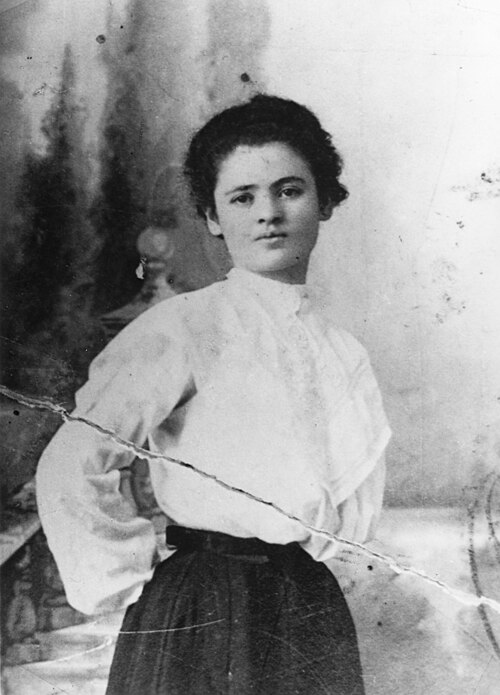
Clara Lemlich (1886–1982) was a Jewish immigrant garment worker whose militant socialism and feminist labor activism helped ignite the 1909 “Uprising of the 20,000.” A rank-and-file organizer, she fused workplace struggle, women’s emancipation, and community activism into a lifelong commitment to working-class power.
-
In The Real Cool Killers, Chester Himes exposes Harlem as a zone of racial capitalism where poverty, rumor, and spectacle erupt into violence. A Marxist reading reveals crime as socially produced: policing maintains oppressive order, “cool” becomes commodity, and ideology masks exploitation while the poor are trapped in alienation.
-
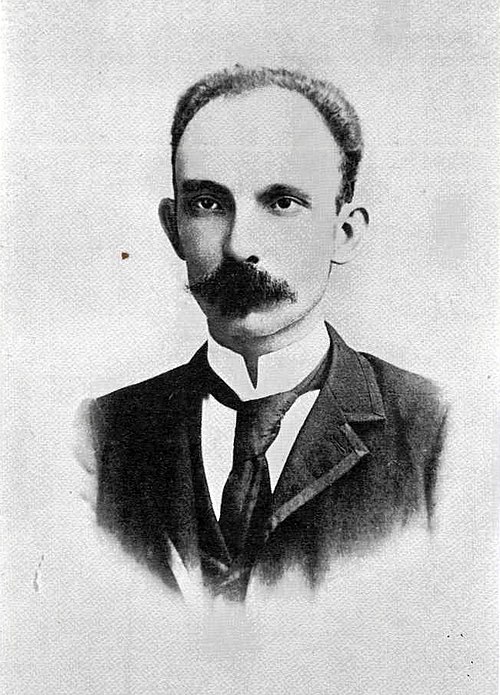
José Martí was a prominent Cuban poet and political thinker whose work profoundly influenced anti-imperialism and nationalism in the Americas. Born in 1853, his writings advocated for independence, racial equality, and civic virtue. Martí’s legacy is significant in shaping Latin American identity and revolutionary thought, emphasizing justice and resistance against oppression.
-
Subscribe
Subscribed
Have a WordPress.com account? Log in now.

