Marxism
-

Alan Woods’s The First World War: A Marxist Analysis of the Great Slaughter critically examines the war through the lens of Marxist theory, arguing it emerged from capitalist imperialism. Woods connects high politics to political economy, emphasizing class transformation during the war and the interplay between capitalism and social consciousness, offering a coherent macro-interpretation of…
-
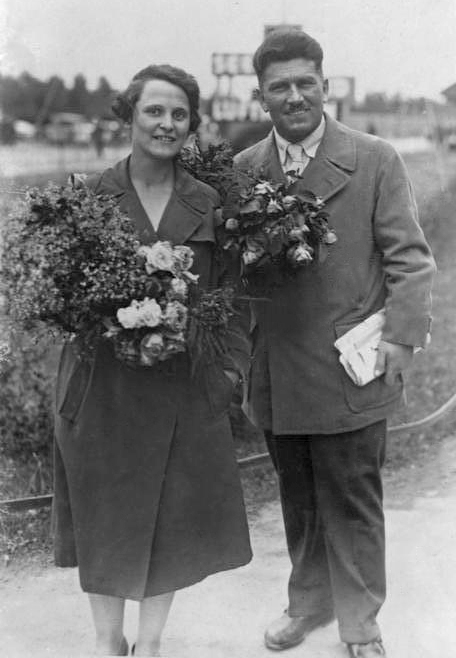
Max Hoelz was a key figure in the revolutionary movements of Weimar Germany, known for his militant approach rather than formal party ideology. His life journey from working-class poverty to leading armed uprisings in a chaotic political landscape highlights the tensions between revolutionary action, mass politics, and state repression, illustrating the complex dynamics of class…
-
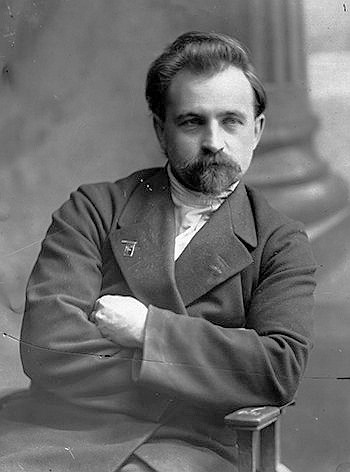
Yevgeny Preobrazhensky was a key figure in the Russian Revolution, known for his intellectual contributions to Marxist economics. As a Bolshevik, he theorized the complexities of socialist construction in Russia, focusing on “primitive socialist accumulation.” His political stance aligned with the Left Opposition, leading to his marginalization and execution during Stalin’s purges.
-
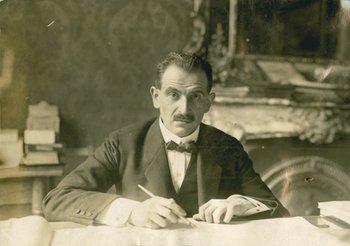
Otto Bauer was a pivotal Marxist theorist in early 20th-century Europe, known for integrating revolutionary Marxism with democratic practice amid the Habsburg Empire’s crises. His work on nationalism and socialism sought to address multiethnic complexities. Despite significant contributions, his reformist strategies faced challenges, culminating in the decline of Austrian socialism post-1934.
-
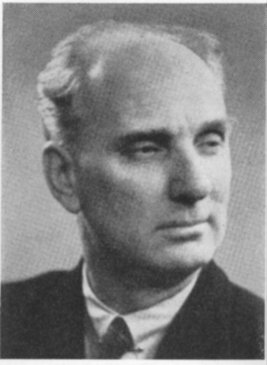
Ture Nerman was a significant figure in Swedish political history, serving as a poet, journalist, and communist leader. He played a crucial role in shaping socialist thought, criticizing militarism and nationalism during World War I, and rejecting Stalinism in favor of anti-fascism and democratic freedoms. Nerman remained influential until his death in 1969.
-
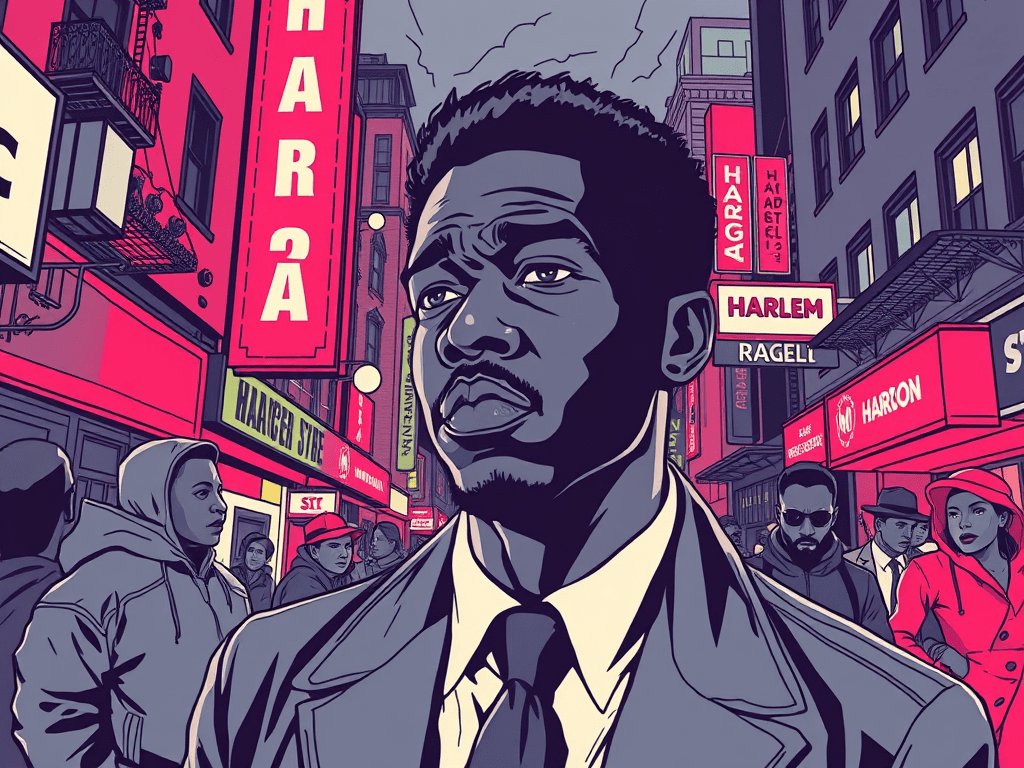
In The Real Cool Killers, Chester Himes exposes Harlem as a zone of racial capitalism where poverty, rumor, and spectacle erupt into violence. A Marxist reading reveals crime as socially produced: policing maintains oppressive order, “cool” becomes commodity, and ideology masks exploitation while the poor are trapped in alienation.
-
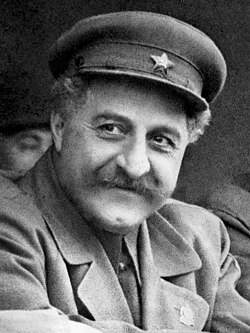
Sergo Ordzhonikidze, a prominent Bolshevik figure during the Stalin era, transitioned from revolutionary to key economic administrator, notably as People’s Commissar of Heavy Industry. His integration of the Caucasus into Soviet governance and eventual coerced death in 1937 illustrate the perilous nature of Stalin’s regime, marking him as both a modernizer and a victim of…
-
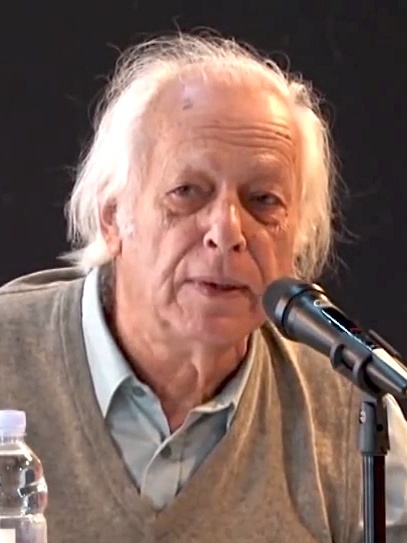
Samir Amin was a pivotal Marxist economist known for his extensive work on global capitalism, imperialism, and underdevelopment. His theories challenged modernization models and emphasized capitalism’s unequal structure as integral to underdevelopment. Amin’s contributions shaped debates on anti-imperialist strategies and continue to influence discussions on political economy and globalization.
-
Alan Woods’ “Ireland: Republicanism and Revolution” examines Irish republicanism through a Marxist lens, arguing that its historical struggles intertwine with class dynamics rather than merely national identity. Woods emphasizes the need for working-class politics in any reunification efforts, critiquing past compromises that stabilized capitalist order while grappling with the complex nature of republicanism’s varied traditions.
-
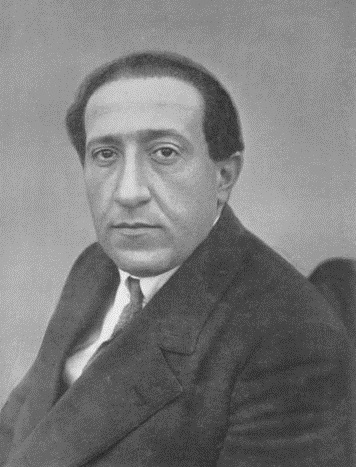
József Pogány was a Hungarian communist revolutionary and journalist active during WWII and the Hungarian Soviet Republic of 1919. His career reflected the challenges faced by revolutionary intellectuals amid political turmoil. After exile from Hungary, he engaged with the Comintern but was ultimately arrested and executed during Stalin’s Great Purge in 1938.

