Marxism
-

Aymeric Monville’s “Neocapitalism According to Michel Clouscard” critiques postwar capitalism through Clouscard’s lens, emphasizing consumption’s role in ideological control. It challenges dominant French thought, positing May 1968 as a counterrevolution. Although persuasive, Monville’s polemical style may oversimplify opposing views and lacks engagement with contemporary data on capitalism’s changes.
-
Michel Clouscard (1928–2009) was a significant Marxist philosopher in late twentieth century France, known for critiquing postwar capitalism as “liberal-libertarian.” His work explored the integration of consumer culture and moral permissiveness, challenging dominant poststructuralist views. Clouscard’s insights remain relevant in contemporary discussions about consumerism and social dynamics.
-
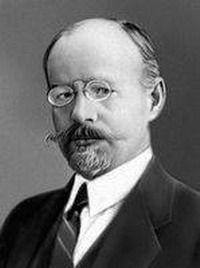
Alexander Shotman, an Old Bolshevik organizer and close associate of Lenin, rose from worker origins to help sustain the revolutionary underground and early Soviet state. Transitioning into administration after 1917, he remained loyal but fell victim to Stalin’s Great Purge in 1937, later rehabilitated as a symbol of Bolshevism’s tragic trajectory.
-

Utsa Patnaik, an influential Indian Marxist economist, has profoundly impacted agrarian studies, colonial political economy, and food security. With a focus on class structures and neoliberal policies, her critique of hunger emphasizes income inequality. Patnaik’s collaborative work on colonialism has reshaped discussions on global inequality, advocating for state intervention in welfare policies.
-
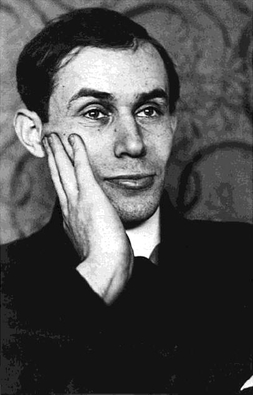
Arkadi Maslow, a significant figure in the German communist movement, was known for his intellectual contributions and leadership roles in the early Communist Party of Germany. His career, marked by radicalization, theoretical debates, and eventual marginalization under Stalinism, reflects the challenges faced by revolutionary intellectuals during this pivotal historical period.
-
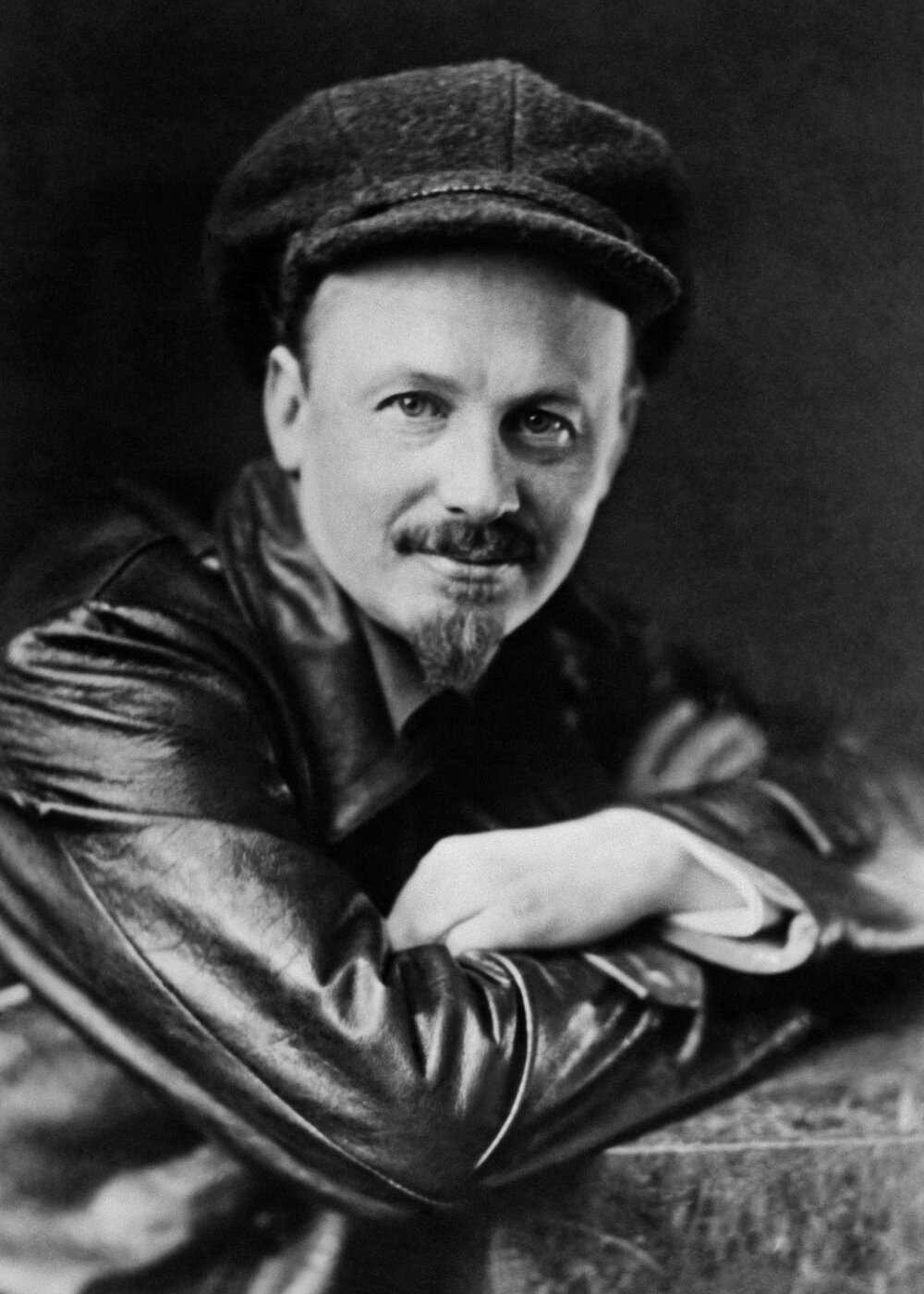
Nikolai Bukharin’s The Economic Theory of the Leisure Class critiques bourgeois economics through a Marxist lens, defending the labor theory of value against marginal utility theory. He situates economic theories within class relations, arguing that value is a social relation rooted in labor. While rigorous, Bukharin’s work lacks direct political strategy connections.
-
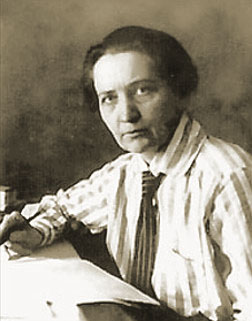
Yevgenia Bosch was a significant yet frequently overlooked figure in the Russian Revolution, emerging as a leading Bolshevik in Ukraine. Her tenure as one of the first female government heads illustrated both her capability and the complex dynamics of Bolshevik governance. Bosch’s unwavering ideological commitment ultimately led to her marginalization and tragic end, reflecting the…
-

Mark Fisher (1968–2017) was a British cultural theorist whose influential work focused on neoliberalism, mental health, and popular culture through a Marxist lens. He critiqued capitalist realism, highlighting its role in shaping consciousness and impeding collective imagination. Fisher’s analysis of culture as a site of ideological struggle remains impactful in contemporary thought.
-

Cotton Comes to Harlem critiques racial capitalism, revealing how Black aspirations are commodified and exploited. Himes employs the detective genre to showcase the permanence of social contradictions linked to exploitation. Through a chaotic narrative, the novel emphasizes that change requires transforming economic systems rather than relying on superficial reforms.
-
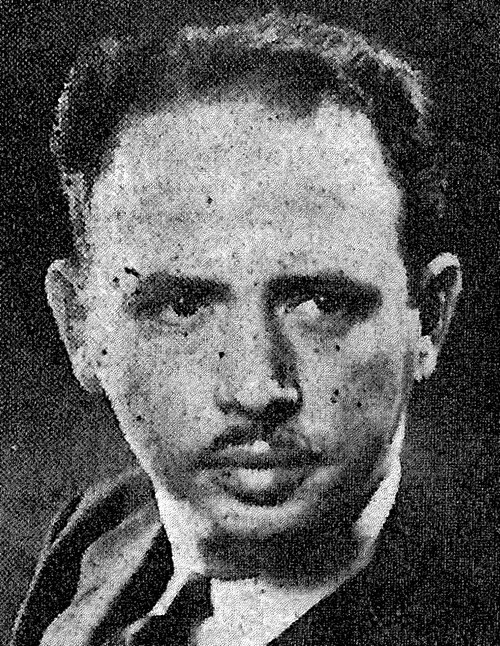
Max Shachtman (1904–1972) was a pivotal figure in U.S. Marxism, influencing movements from Trotskyism to democratic socialism. He founded the Workers Party, promoting “bureaucratic collectivism” and the “Third Camp” concept during WWII. His later shift towards social democracy and labor liberalism sparked debate about his legacy and impact on the American left.

