Philosophy
-
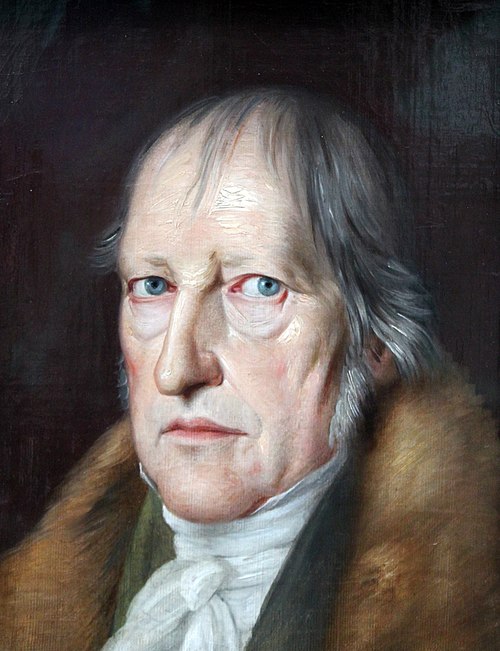
Hegel’s “Elements of the Philosophy of Right” attempts to reconcile freedom with social order, emphasizing the role of institutions like the family and state. A revolutionary communist critique argues that Hegel obscures class relations and the coercive nature of the state, treating property as freedom while neglecting systemic exploitation. This text serves as a bridge…
-
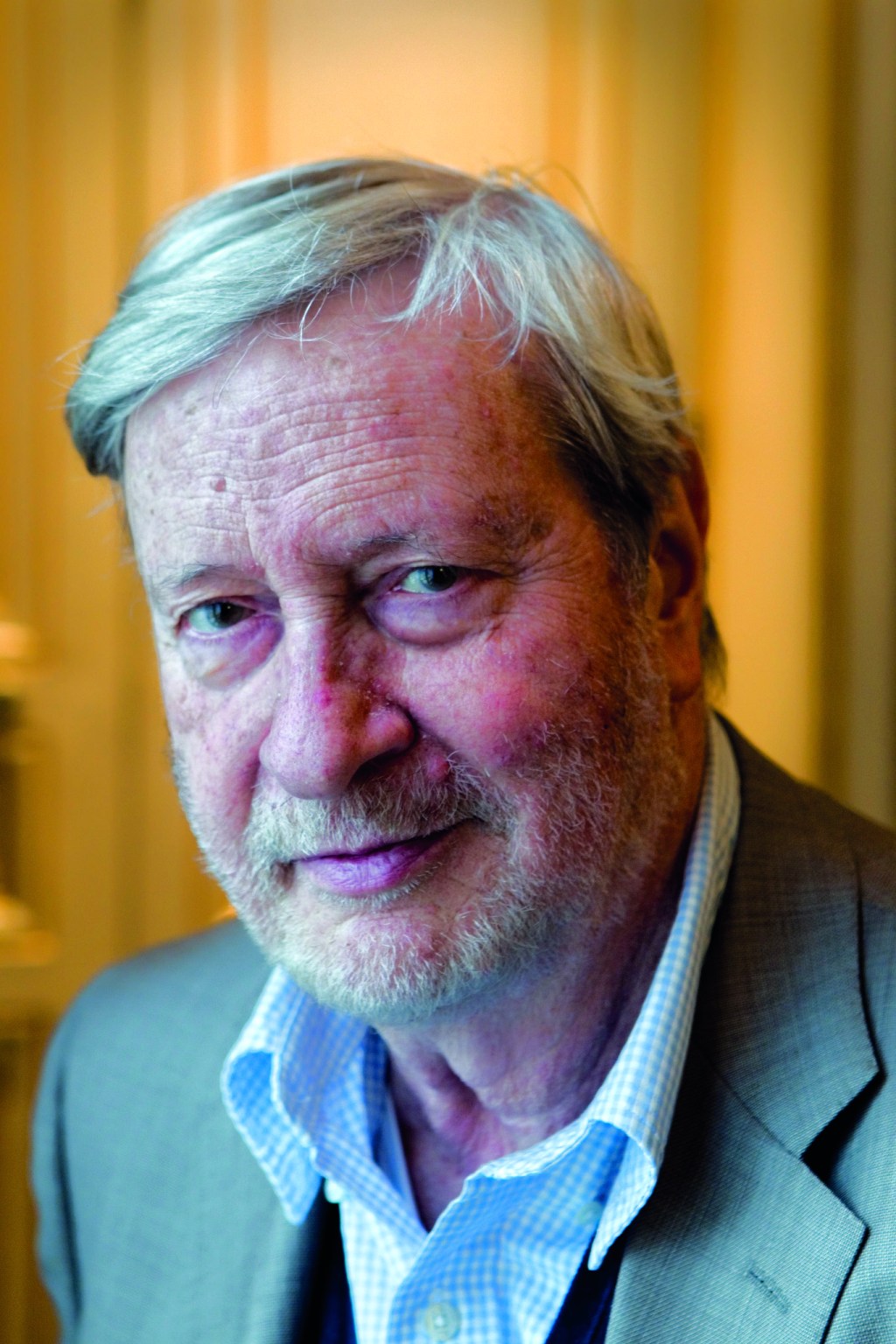
Gianni Vattimo (1936–2023) was a prominent Italian philosopher known for his concept of “weak thought,” which reinterprets continental philosophy amid nihilism and secularization. His philosophy integrates hermeneutics and Christianity, emphasizing ethical interpretations over dogma. A political figure, he advocated for social justice, leaving a lasting impact on postmodern philosophical discourse.
-
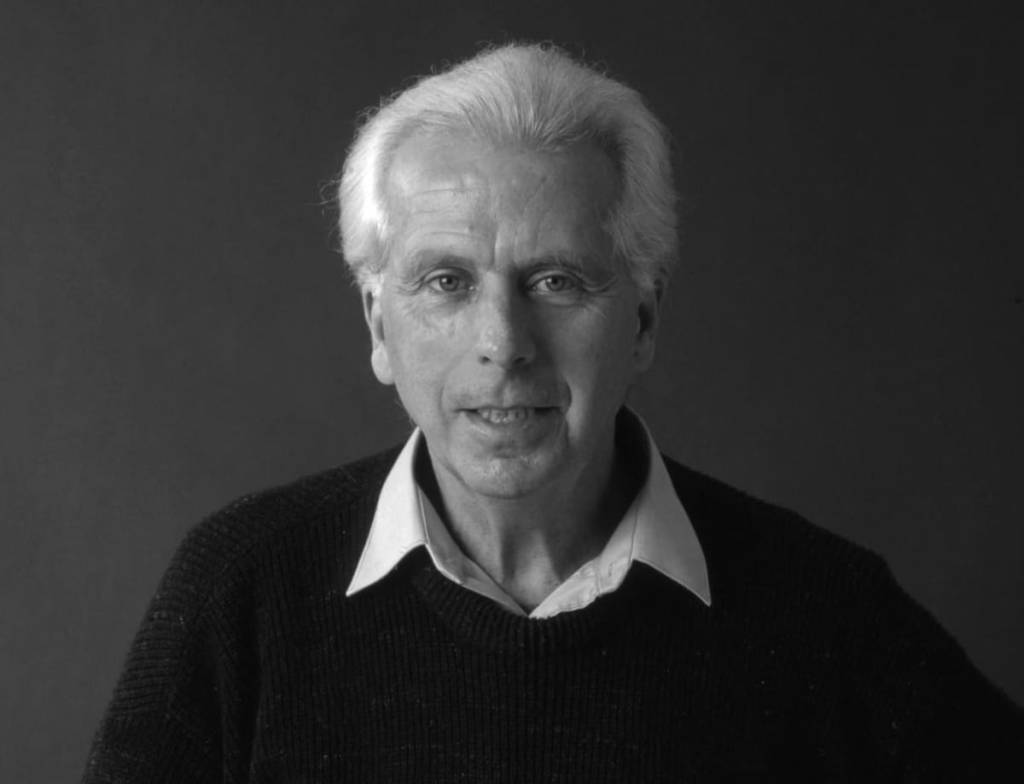
Aymeric Monville’s “Neocapitalism According to Michel Clouscard” critiques postwar capitalism through Clouscard’s lens, emphasizing consumption’s role in ideological control. It challenges dominant French thought, positing May 1968 as a counterrevolution. Although persuasive, Monville’s polemical style may oversimplify opposing views and lacks engagement with contemporary data on capitalism’s changes.
-
Michel Clouscard (1928–2009) was a significant Marxist philosopher in late twentieth century France, known for critiquing postwar capitalism as “liberal-libertarian.” His work explored the integration of consumer culture and moral permissiveness, challenging dominant poststructuralist views. Clouscard’s insights remain relevant in contemporary discussions about consumerism and social dynamics.
-
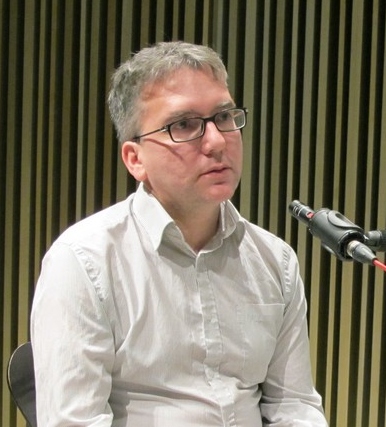
Mark Fisher (1968–2017) was a British cultural theorist whose influential work focused on neoliberalism, mental health, and popular culture through a Marxist lens. He critiqued capitalist realism, highlighting its role in shaping consciousness and impeding collective imagination. Fisher’s analysis of culture as a site of ideological struggle remains impactful in contemporary thought.
-

Friedrich Engels’s “Ludwig Feuerbach and the End of Classical German Philosophy” critically analyzes German philosophy’s evolution, advocating for a Marxist synthesis of Hegel’s dialectical method and Feuerbach’s materialism. Engels argues for dialectics as a transformative method, highlighting implications for socialist theory and its relevance in contemporary philosophical discussions on materialism and praxis.
-
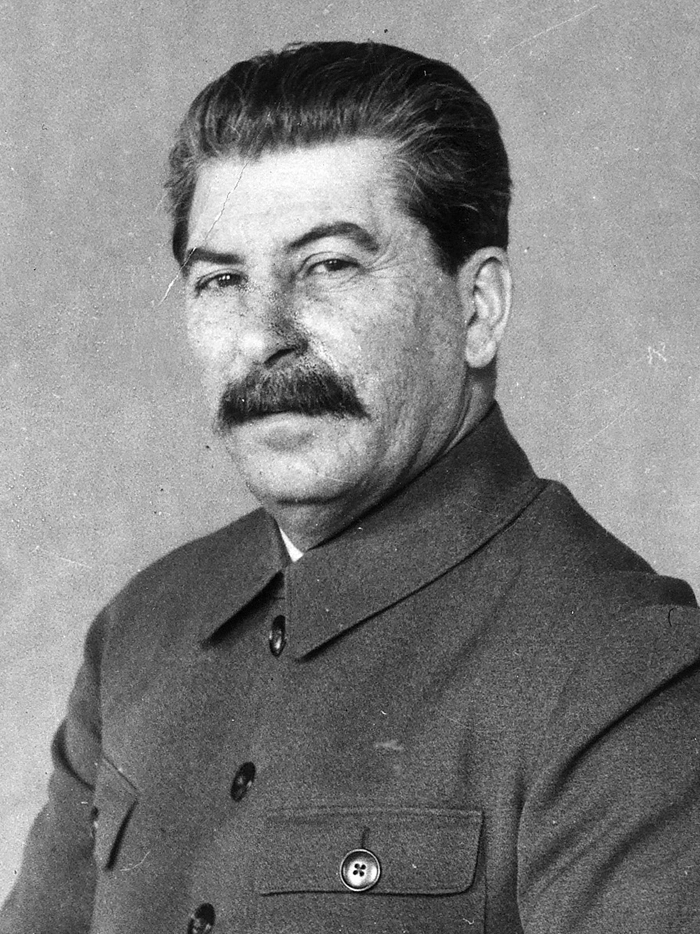
Joseph Stalin’s Dialectical Materialism (1938) serves as a pivotal yet constrictive text in Marxist philosophy, transforming dialectics into an official doctrine aligned with state orthodoxy. By stripping contradictions of their dynamism and reducing philosophy to rigid axioms, it undermines Marx’s historical materialism, ultimately serving political authority over critical inquiry.
-
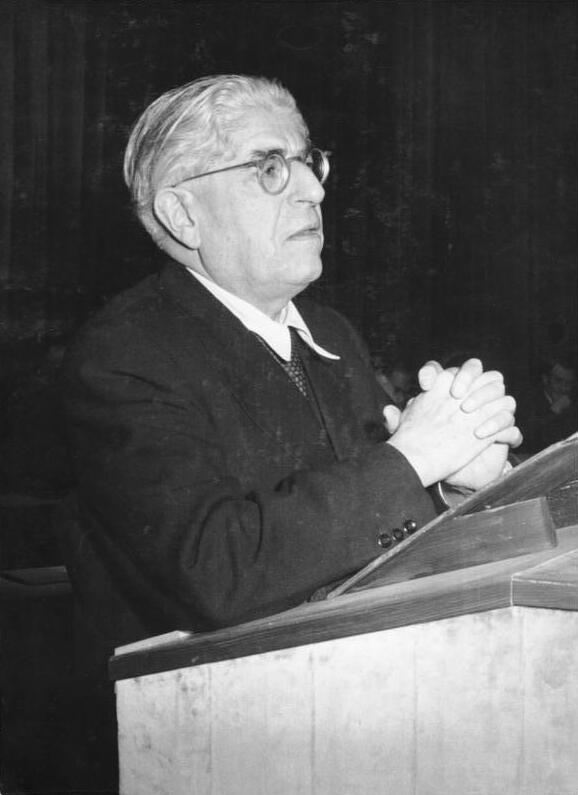
Ernst Bloch was a unique Marxist philosopher known for his focus on utopia and hope. His major work, The Principle of Hope, emphasizes an active engagement with the future, asserting that cultural artifacts embody transformative potential. Despite facing marginalization, his ideas on hope, religion, and emancipation remain relevant in contemporary thought and activism.
-

Karel Kosík was a prominent Czech Marxist philosopher known for his influential work, “Dialectics of the Concrete.” His thought combined Marxism with phenomenology, advocating for a humanist socialism that promoted authentic sociopolitical engagement. Despite political repression after the Prague Spring, his critiques of capitalism and bureaucratic socialism have gained recognition, shaping contemporary Marxist discourse.
-
Stephen Houlgate’s An Introduction to Hegel: Freedom, Truth and History offers a comprehensive yet challenging entry into Hegel’s philosophy, suitable for advanced students. Houlgate presents Hegel’s ideas on freedom, truth, and history systematically, emphasizing coherence and contemporary relevance, while critiquing modern philosophical issues related to relativism and logic.

