Marxism-Leninism
-
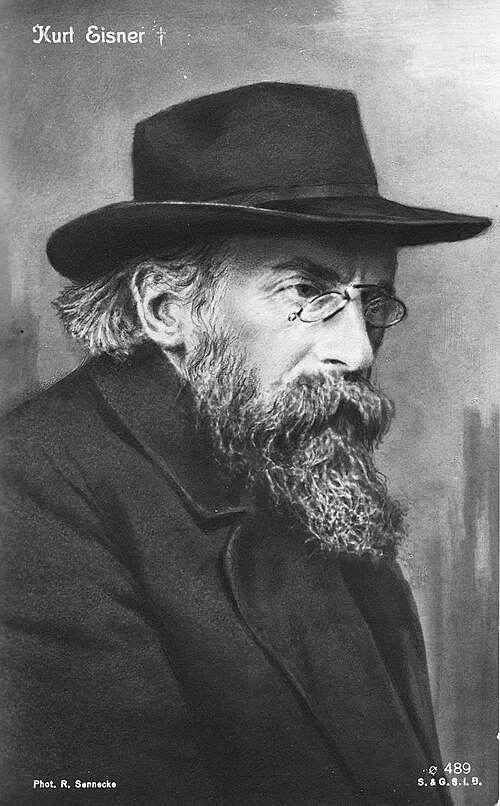
Kurt Eisner was a German socialist revolutionary and journalist, central to the Bavarian Revolution of 1918. He advocated for ethical socialism emphasizing moral agency and democracy. Eisner’s tenure as Minister-President was brief and ended with his assassination, but his ideas influenced German socialism and debates on democracy and ethics significantly.
-
Felix Morrow was a significant figure in twentieth-century American Marxism, known for his critical stance on Stalinism and Trotskyism. His influential work, “Revolution and Counter-Revolution in Spain,” analyzed the Spanish Civil War, attributing its failure to Stalinist policies. Morrow later reassessed Marxism, emphasizing the importance of social forces over rigid ideological frameworks.
-
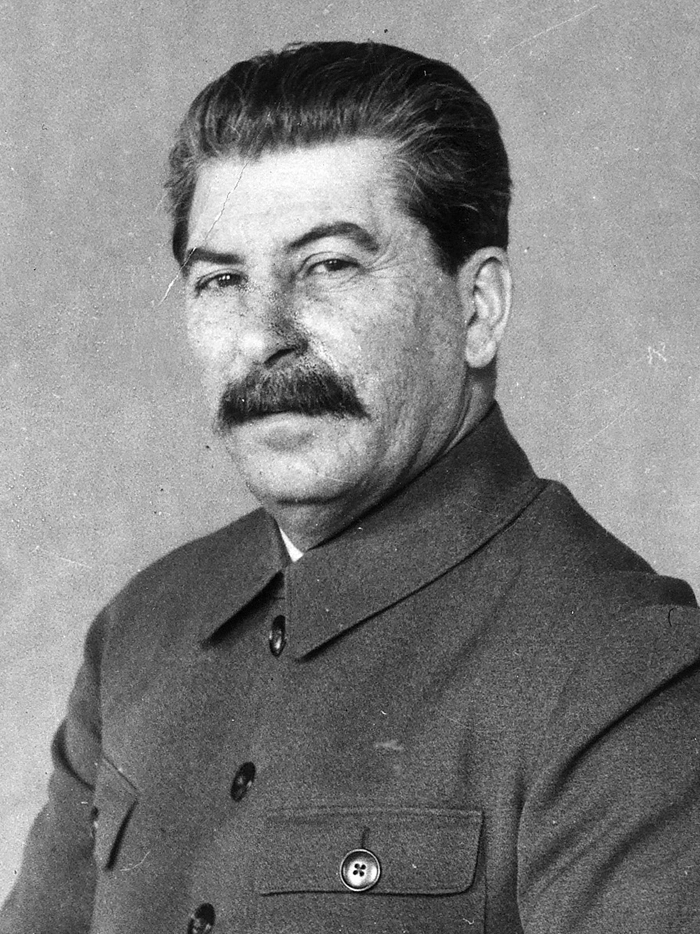
Joseph Stalin’s Dialectical Materialism (1938) serves as a pivotal yet constrictive text in Marxist philosophy, transforming dialectics into an official doctrine aligned with state orthodoxy. By stripping contradictions of their dynamism and reducing philosophy to rigid axioms, it undermines Marx’s historical materialism, ultimately serving political authority over critical inquiry.
-
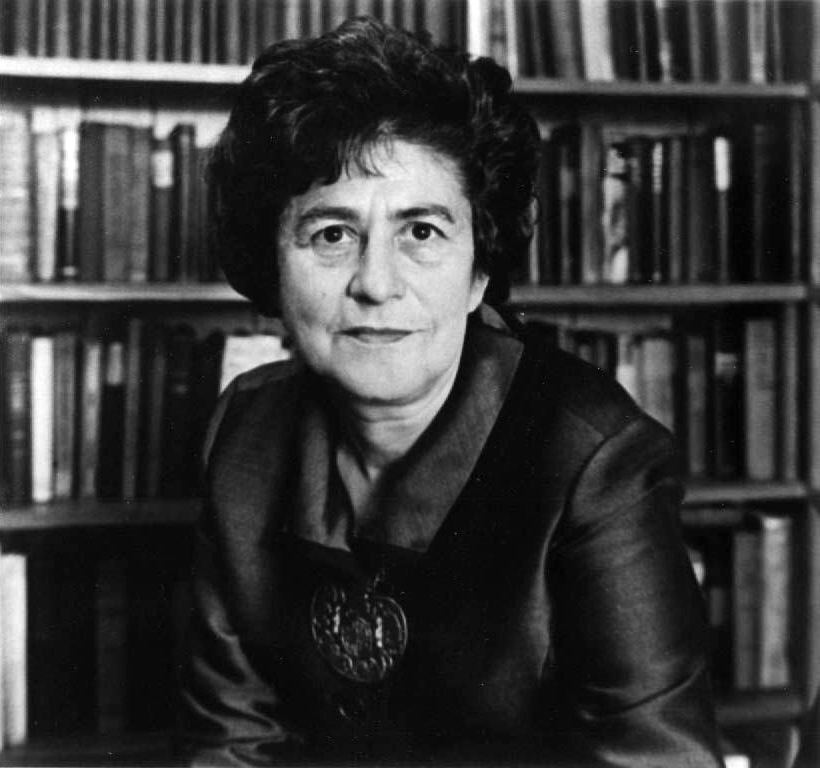
Raya Dunayevskaya (1910–1987) was a pivotal Marxist thinker who founded Marxist Humanism in the U.S. She critically engaged with Marx’s philosophy, Hegelian dialectics, feminism, and anti-imperialism, arguing for the importance of human liberation over bureaucratic socialism. Her work integrates theory and practice, emphasizing self-activity in revolutionary movements.
-
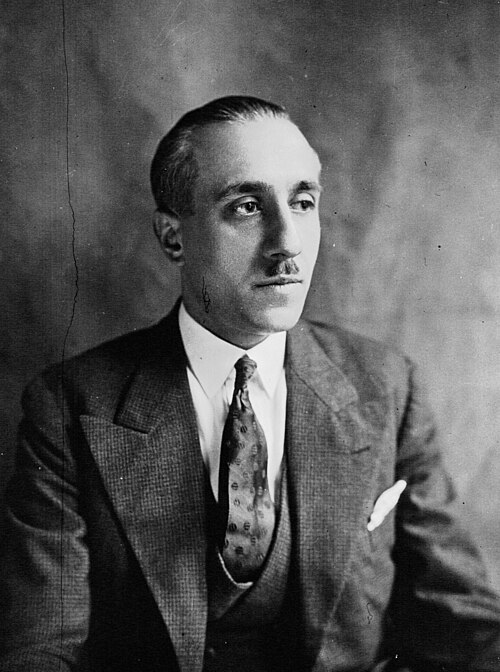
Gabriel Péri wrote as if history were already on fire and no one else could smell the smoke. A communist deputy and journalist, he warned of fascism’s advance before France would listen. Arrested under occupation, he faced execution with quiet resolve, leaving words that outlived the guns that silenced him.
-
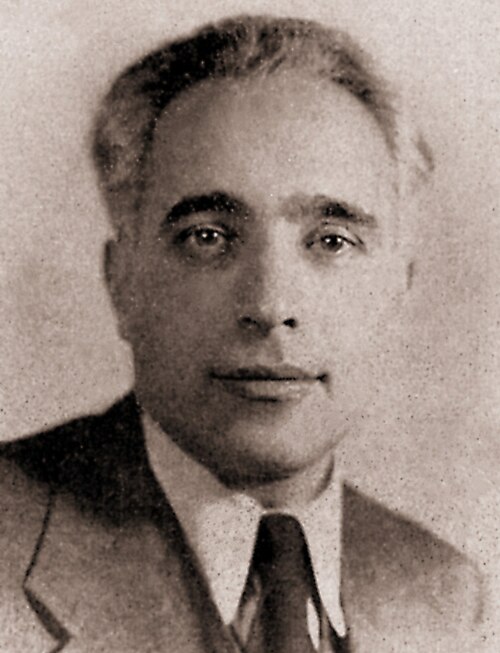
Albert Goldman was a significant figure in American radicalism, known for his advocacy of revolutionary Marxism and critique of Stalinism. His journey, from a Jewish immigrant to a prominent legal defender during the Minneapolis Sedition Trial, reflects the complexities of American leftist politics and the challenges of revolutionary continuity amid repression.
-

This essay theorizes entrepreneurship in a communist society, redefining it as collective innovation aimed at communal needs rather than profit. Following Marx’s critique of capitalism, the analysis highlights how entrepreneurship could transform into a collaborative process, emphasizing democratic participation, social welfare, and ecological sustainability, ultimately unleashing human creativity for the common good.
-
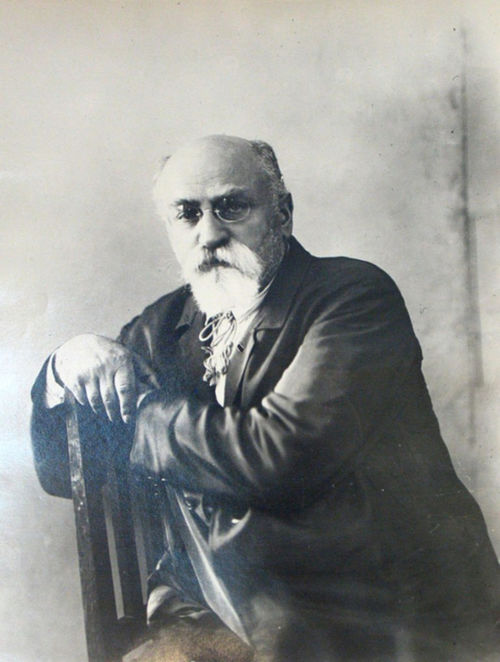
David Riazanov (1870–1938) was a key figure in Marxist scholarship, enhancing the study of Marx and Engels through rigorous academic methodologies. His independence led to conflicts with Stalinist ideology, resulting in imprisonment and execution. Despite this, Riazanov’s legacy endures, shaping modern Marxological research and advocating for scholarly integrity within Marxism.
-
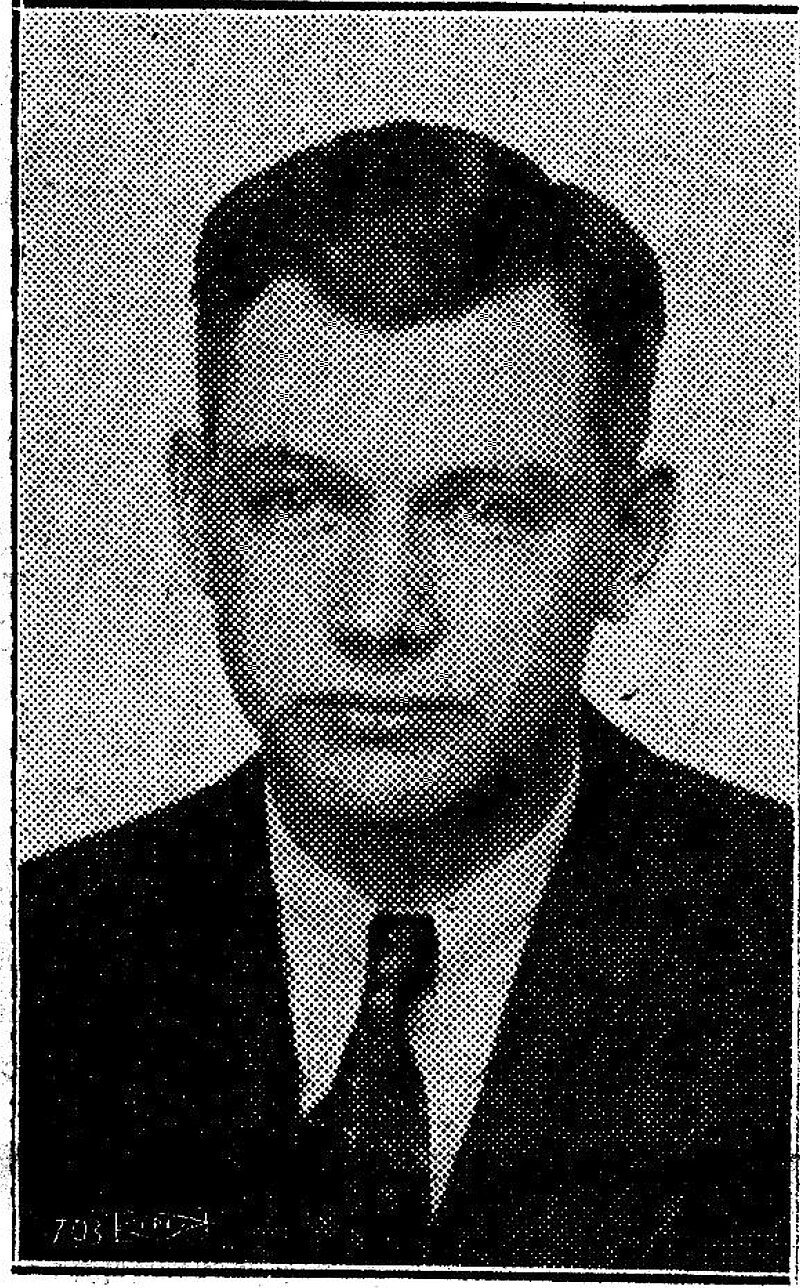
George Novack (1905–1992) was a significant American Marxist theorist who contributed to classical Marxism in an American context. His work, marked by clarity and dialectical method, connected Marxist theory to U.S. history and struggles. Novack’s legacy endures through his accessible writings and the synthesis of historical and political analysis within revolutionary movements.
-
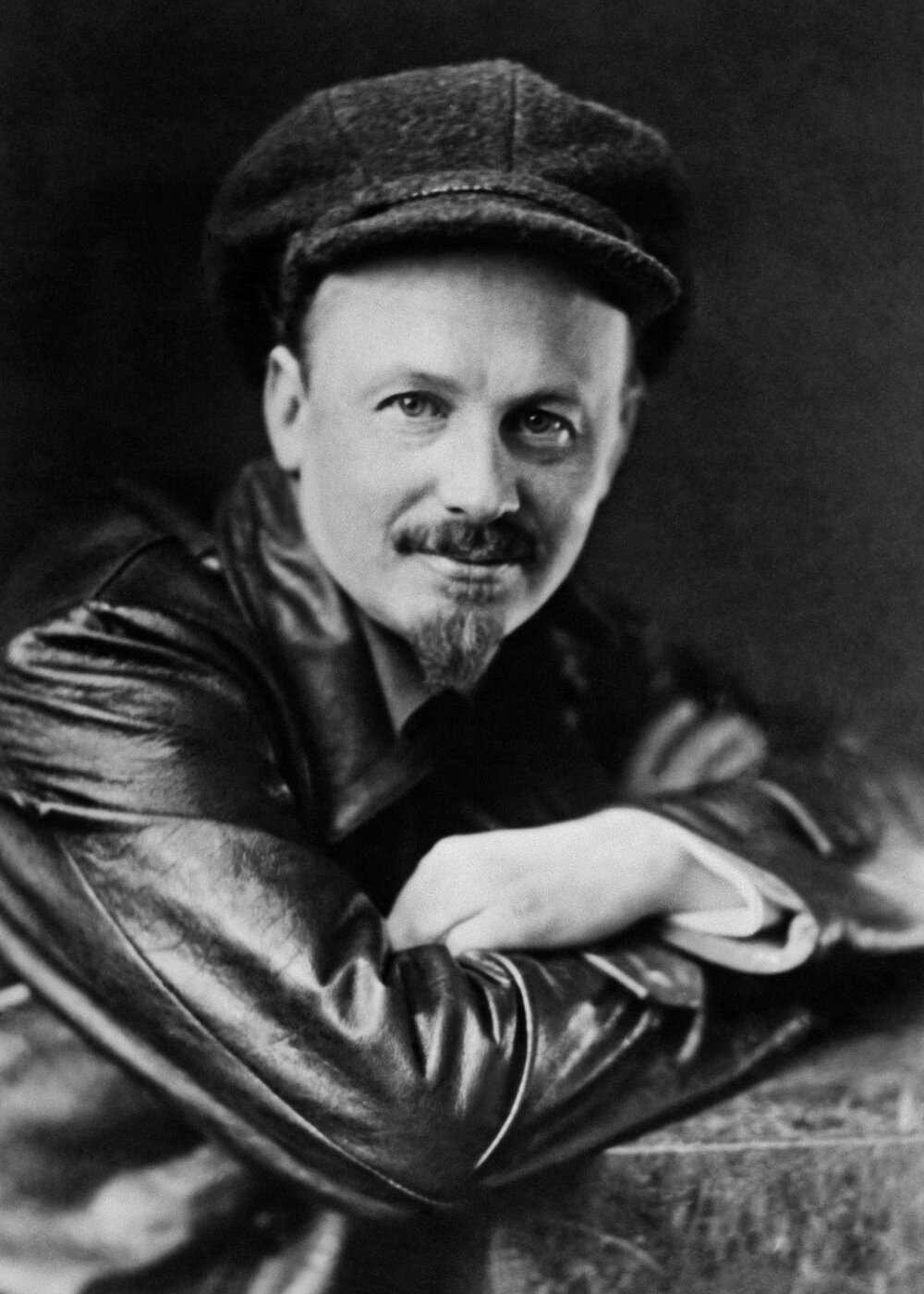
Stephen F. Cohen’s Bukharin and the Bolshevik Revolution offers a nuanced portrait of Nikolai Bukharin, portraying him as a significant Bolshevik strategist rather than merely a foil to Stalin. The book examines Bukharin’s theories and policy proposals amidst Soviet internal struggles, highlighting critiques of the NEP and the importance of peasant alliances, while acknowledging its…
 Letters from Tomis