Marxism-Leninism
-
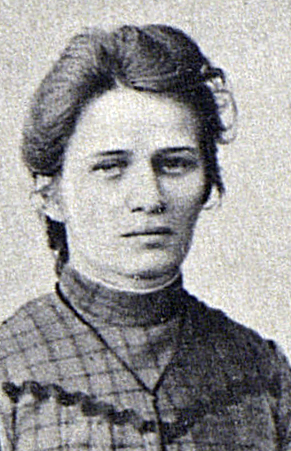
Lyubov Nikolaevna Radchenko’s contributions to the Russian revolutionary movement exemplify the essential yet often overlooked roles of women activists. While overshadowed by prominent figures, her work as an underground organizer highlights the critical organization and education within the Bolshevik context. Radchenko’s story reveals the vital labor behind major revolutionary transformations.
-
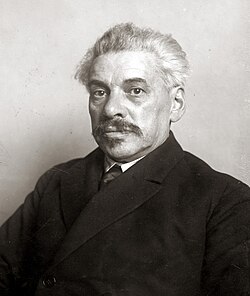
Adolf Warski was a significant figure in early twentieth-century socialism, rooted in Polish Marxism and aligned with internationalist movements. Though he became a leading member of the Communist Workers’ Party of Poland post-1917, his loyalty was tested under Stalin’s regime, leading to his execution during the Great Purges. His life illustrates the complexities of revolutionary…
-
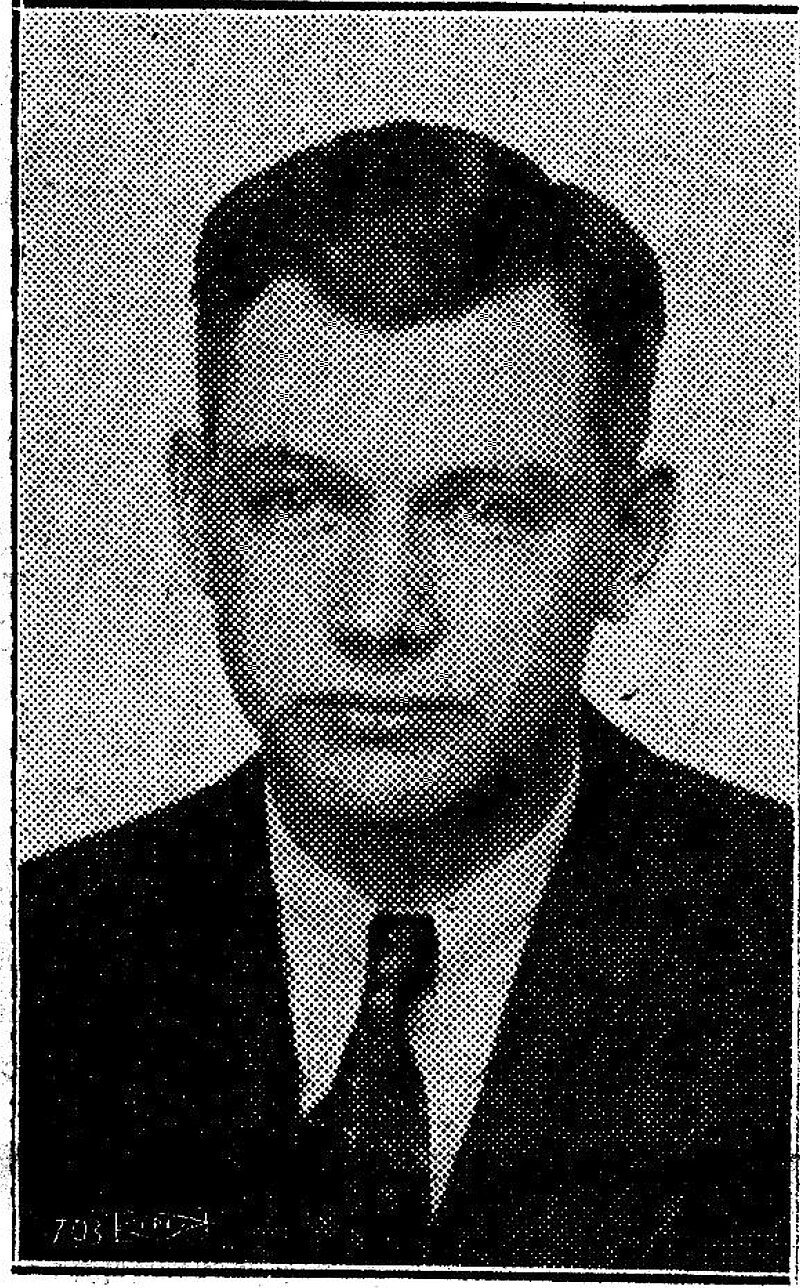
George Novack’s “Understanding History: Marxist Essays” provides an accessible introduction to historical materialism, emphasizing the role of material conditions in social development. While defending Marxist historiography against alternative perspectives, Novack critiques positivism and idealism. Despite its clarity, the text may lack nuance in addressing cultural complexities. It serves both as an educational tool and a…
-
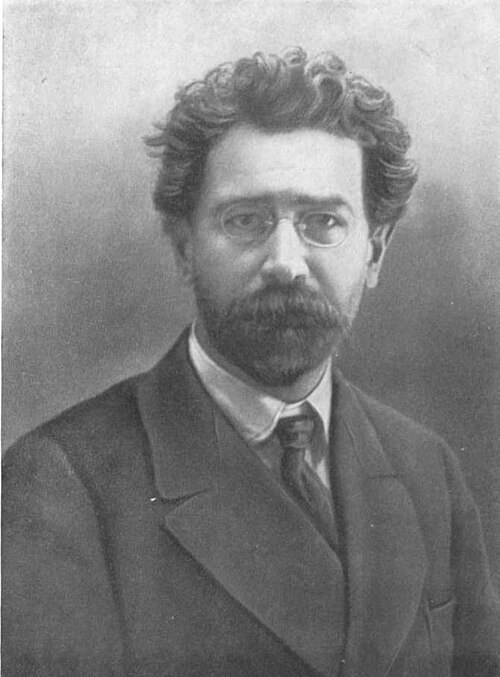
Viktor Pavlovich Nogin, a notable Bolshevik, advocated for socialist coalition during the Russian Revolution, opposing one-party rule. His working-class roots and experiences shaped his political stance, emphasizing collaboration among socialists. Though marginalized post-revolution, Nogin’s legacy highlights internal conflicts within early Soviet politics and the broader dynamics of revolutionary change.
-

Julius Fučík (1903–1943) was a prominent communist intellectual and anti-fascist martyr whose writings, particularly “Notes from the Gallows,” symbolize resistance against oppression. His early involvement in leftist circles shaped his literary approach. Posthumously, his legacy remains debated, reflecting complexities of ideology and political narrative in Central Europe.
-

Rosa Luxemburg’s “The National Question: Selected Writings,” edited by Horace B. Davis, presents a critical Marxist analysis of nationalism, arguing against national self-determination as a solution under capitalism. The collection highlights Luxemburg’s rigorous critique of class dynamics and the limitations of nationalist politics, while remaining influential in contemporary discussions on internationalism and socialist strategy.
-
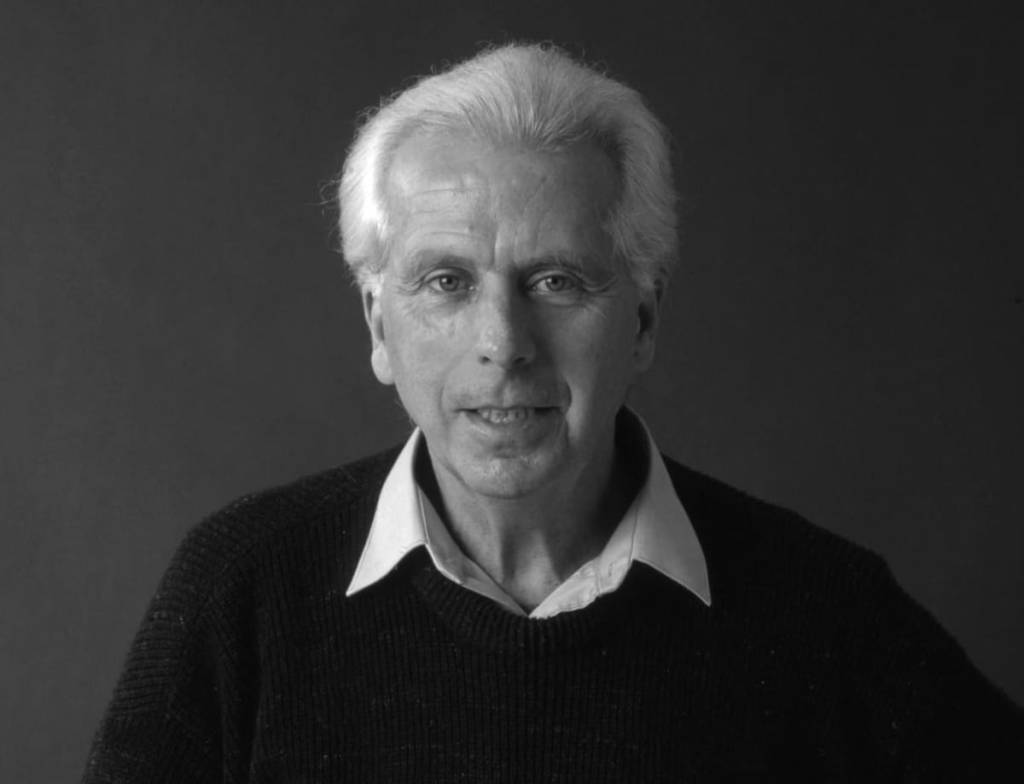
Michel Clouscard (1928–2009) was a significant Marxist philosopher in late twentieth century France, known for critiquing postwar capitalism as “liberal-libertarian.” His work explored the integration of consumer culture and moral permissiveness, challenging dominant poststructuralist views. Clouscard’s insights remain relevant in contemporary discussions about consumerism and social dynamics.
-
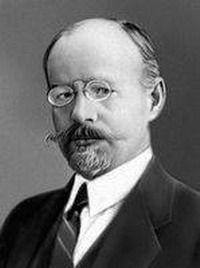
Alexander Shotman, an Old Bolshevik organizer and close associate of Lenin, rose from worker origins to help sustain the revolutionary underground and early Soviet state. Transitioning into administration after 1917, he remained loyal but fell victim to Stalin’s Great Purge in 1937, later rehabilitated as a symbol of Bolshevism’s tragic trajectory.
-
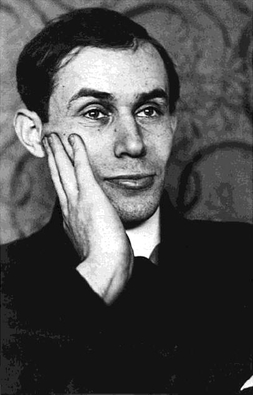
Arkadi Maslow, a significant figure in the German communist movement, was known for his intellectual contributions and leadership roles in the early Communist Party of Germany. His career, marked by radicalization, theoretical debates, and eventual marginalization under Stalinism, reflects the challenges faced by revolutionary intellectuals during this pivotal historical period.
-
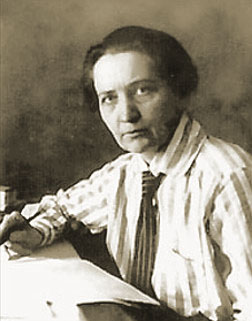
Yevgenia Bosch was a significant yet frequently overlooked figure in the Russian Revolution, emerging as a leading Bolshevik in Ukraine. Her tenure as one of the first female government heads illustrated both her capability and the complex dynamics of Bolshevik governance. Bosch’s unwavering ideological commitment ultimately led to her marginalization and tragic end, reflecting the…

