-

James A. Michener’s Tales of the South Pacific (1947) is a Pulitzer Prize-winning collection of linked short stories reflecting on wartime experiences. It explores themes of race, morality, and the human condition amid war, while navigating U.S. imperialism’s complexities. The narrative’s episodic structure portrays diverse characters, revealing America’s cultural and racial contradictions.
-
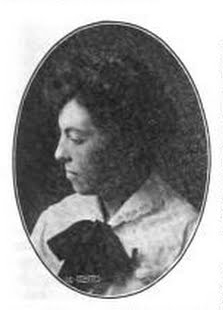
Pauline M. Newman, a significant yet underappreciated figure in women’s trade unionism, overcame ethnic and gender barriers as a child of Eastern European Jewish immigrants. Her activism, rooted in socialist principles, flourished during the crucial “Uprising of the 20,000” strike, advancing labor rights and health initiatives, impacting labor feminism profoundly.
-

George Novack’s “Democracy & Revolution” critically examines bourgeois democracy, arguing it serves as a form of class rule rather than true political freedom. He emphasizes the necessity of revolutionary democracy and proletarian self-governance, rejecting reformism as inadequate. While offering essential insights into capitalism’s limitations, the text lacks engagement with contemporary issues like race and gender.
-
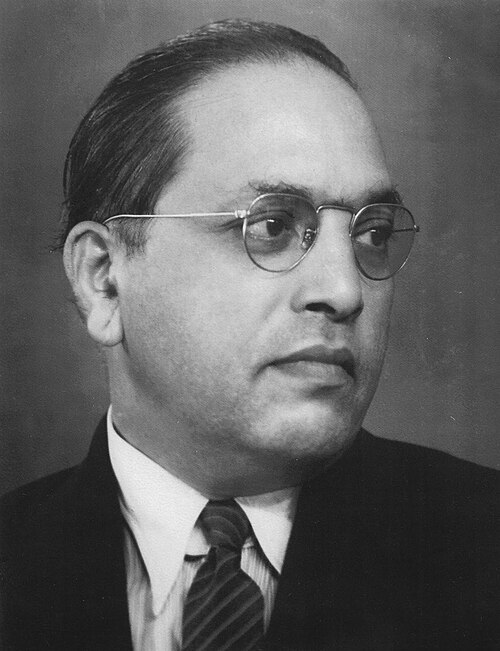
Bhimrao Ramji Ambedkar, a key figure in 20th-century Indian thought, critiqued caste and framed social emancipation beyond nationalism. As the architect of the Indian Constitution, he emphasized social and economic democracy alongside legal frameworks. His later conversion to Buddhism symbolized a political and ethical commitment to equality. Ambedkar’s legacy remains vital in contemporary discussions on…
-

C. S. Forester’s The Good Shepherd (1955) is a naval novel that explores the moral complexities of leadership during World War II. Centered on Captain George Krause’s relentless command of a destroyer escort, it privileges psychological endurance over heroism and highlights ethical decision-making in warfare, emphasizing the burdens of responsibility amidst uncertainty.
-

E. B. White’s “Here Is New York” presents a nuanced exploration of the city’s complex identity, distinguishing between the commuter’s, native’s, and visitor’s experiences. His lyrical yet precise prose captures both the vibrancy and fragility of urban life, highlighting the coexistence of isolation and connection. Despite its limitations, the essay remains a significant reflection on…
-

Karel Kosík was a prominent Czech Marxist philosopher known for his influential work, “Dialectics of the Concrete.” His thought combined Marxism with phenomenology, advocating for a humanist socialism that promoted authentic sociopolitical engagement. Despite political repression after the Prague Spring, his critiques of capitalism and bureaucratic socialism have gained recognition, shaping contemporary Marxist discourse.
-
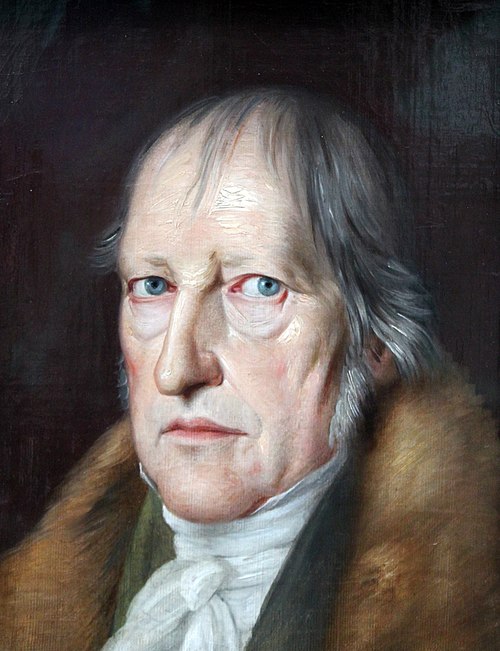
Stephen Houlgate’s An Introduction to Hegel: Freedom, Truth and History offers a comprehensive yet challenging entry into Hegel’s philosophy, suitable for advanced students. Houlgate presents Hegel’s ideas on freedom, truth, and history systematically, emphasizing coherence and contemporary relevance, while critiquing modern philosophical issues related to relativism and logic.
-
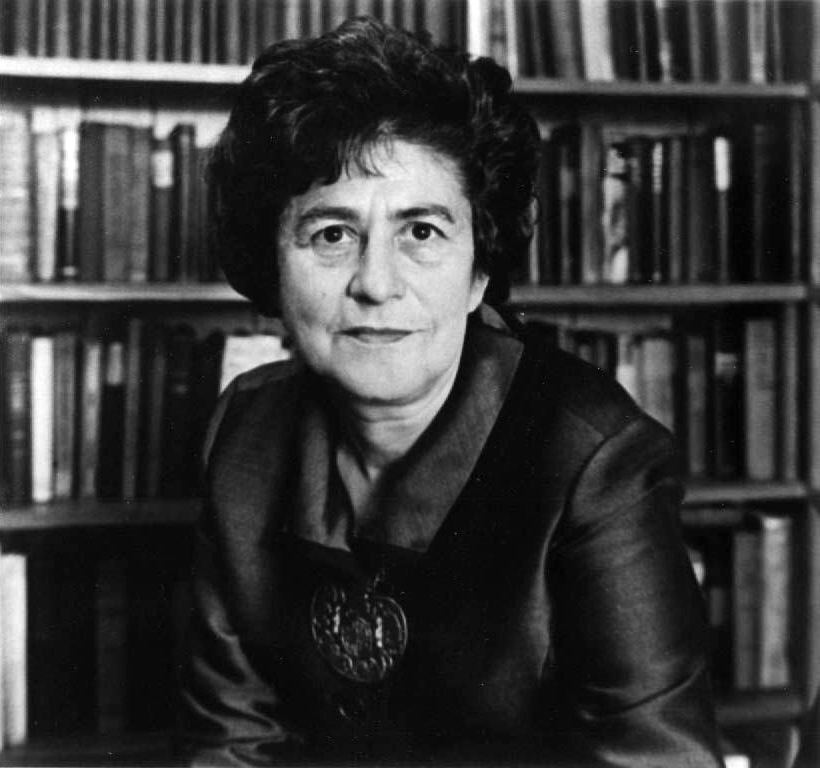
Raya Dunayevskaya (1910–1987) was a pivotal Marxist thinker who founded Marxist Humanism in the U.S. She critically engaged with Marx’s philosophy, Hegelian dialectics, feminism, and anti-imperialism, arguing for the importance of human liberation over bureaucratic socialism. Her work integrates theory and practice, emphasizing self-activity in revolutionary movements.
-
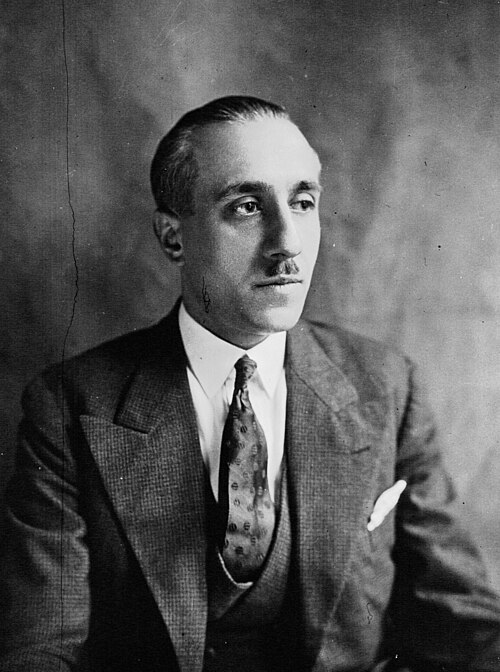
Gabriel Péri wrote as if history were already on fire and no one else could smell the smoke. A communist deputy and journalist, he warned of fascism’s advance before France would listen. Arrested under occupation, he faced execution with quiet resolve, leaving words that outlived the guns that silenced him.
-
Subscribe
Subscribed
Have a WordPress.com account? Log in now.

