-
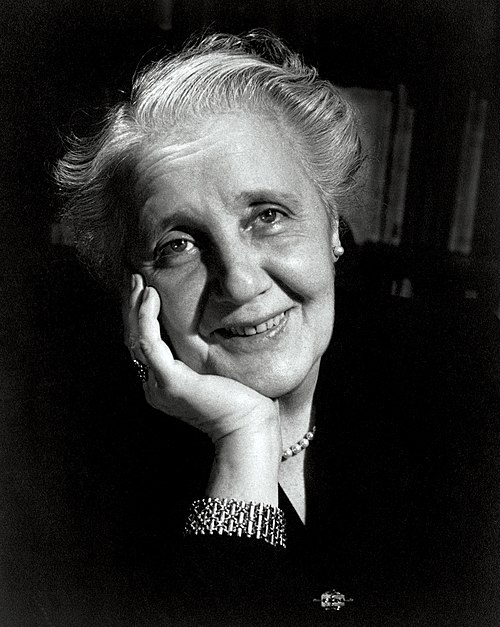
Melanie Klein was a pivotal psychoanalytic figure, known for developing object relations theory and transforming childhood development understanding. Her innovative approach emphasized the infant’s internal object relations, challenging Freudian ideas. Klein’s clinical methods and theories deeply influenced post-war psychoanalysis, leaving a lasting legacy across various fields, including feminist theory and cultural criticism.
-

Book Review Fromm, Erich. The Sane Society. Holt Paperbacks, 1990. Erich Fromm’s The Sane Society (1955) remains one of the most incisive mid-century critiques of capitalist modernity, straddling psychoanalytic theory, social philosophy, and heterodox Marxism. Written at the height of America’s postwar boom, the book confronts what Fromm calls “the pathology of normalcy”—the fact that…
-
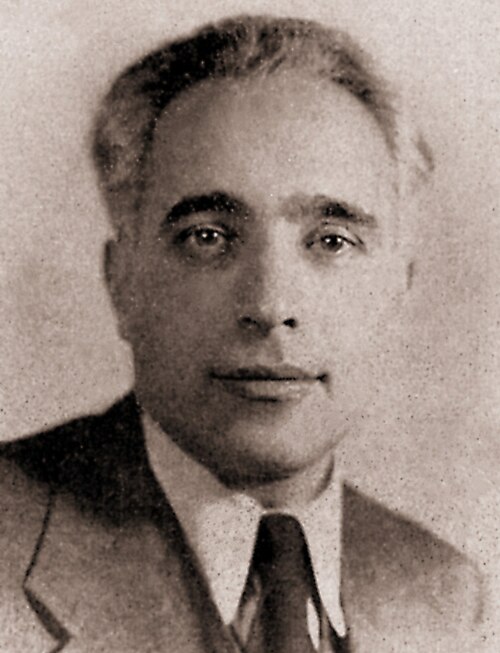
Albert Goldman was a significant figure in American radicalism, known for his advocacy of revolutionary Marxism and critique of Stalinism. His journey, from a Jewish immigrant to a prominent legal defender during the Minneapolis Sedition Trial, reflects the complexities of American leftist politics and the challenges of revolutionary continuity amid repression.
-

This essay theorizes entrepreneurship in a communist society, redefining it as collective innovation aimed at communal needs rather than profit. Following Marx’s critique of capitalism, the analysis highlights how entrepreneurship could transform into a collaborative process, emphasizing democratic participation, social welfare, and ecological sustainability, ultimately unleashing human creativity for the common good.
-
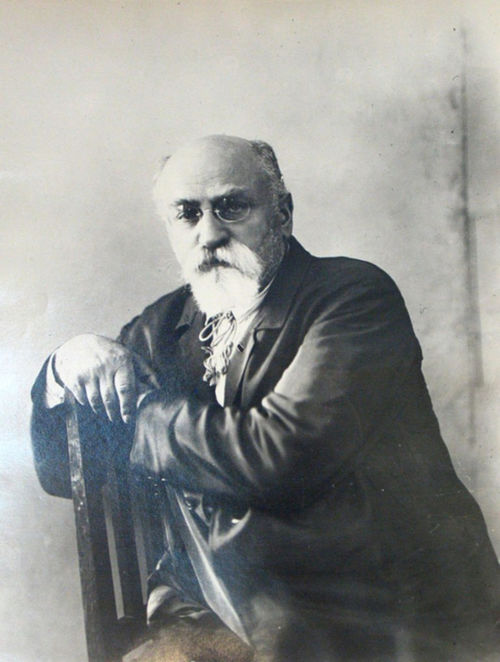
David Riazanov (1870–1938) was a key figure in Marxist scholarship, enhancing the study of Marx and Engels through rigorous academic methodologies. His independence led to conflicts with Stalinist ideology, resulting in imprisonment and execution. Despite this, Riazanov’s legacy endures, shaping modern Marxological research and advocating for scholarly integrity within Marxism.
-

Ross King’s “Mad Enchantment” examines Claude Monet’s creation of the Water Lilies within the turmoil of World War I, highlighting this series as both a personal and historical response to grief and chaos. The narrative intertwines Monet’s struggles with vision and the wartime transformation of Giverny, revealing the art’s deeper significance amidst crisis.
-

Prabhat Patnaik, a leading Marxist economist, has significantly contributed to political economy, critiquing neoliberal globalization and imperialism. Educated at Oxford, he shaped scholarship at Jawaharlal Nehru University. His work integrates classical Marxism and Keynesian economics, influencing public policy and left-wing movements globally. Patnaik advocates for a democratic, egalitarian future.
-

René Descartes’ Discourse on Method is a pivotal philosophical text, introducing methodological doubt and underscoring the autonomy of rational subjectivity. It critiques scholasticism, presents a structured approach to knowledge, and links personal reflection with broader scientific inquiry. Its legacy encompasses debates in epistemology, ethics, and the nature of modern rationalism.
-

George Novack (1905–1992) was a significant American Marxist theorist who contributed to classical Marxism in an American context. His work, marked by clarity and dialectical method, connected Marxist theory to U.S. history and struggles. Novack’s legacy endures through his accessible writings and the synthesis of historical and political analysis within revolutionary movements.
-

N. A. M. Rodger’s “The Safeguard of the Sea” is a seminal work in naval history, covering Britain’s maritime evolution from 660 to 1649. It critiques traditional narratives, emphasizing that naval prowess stemmed from complex socio-political dynamics rather than inevitability. The book successfully integrates various historical disciplines while revealing gaps in its cultural analysis.
-
Subscribe
Subscribed
Already have a WordPress.com account? Log in now.
 Letters from Tomis