Theater
-
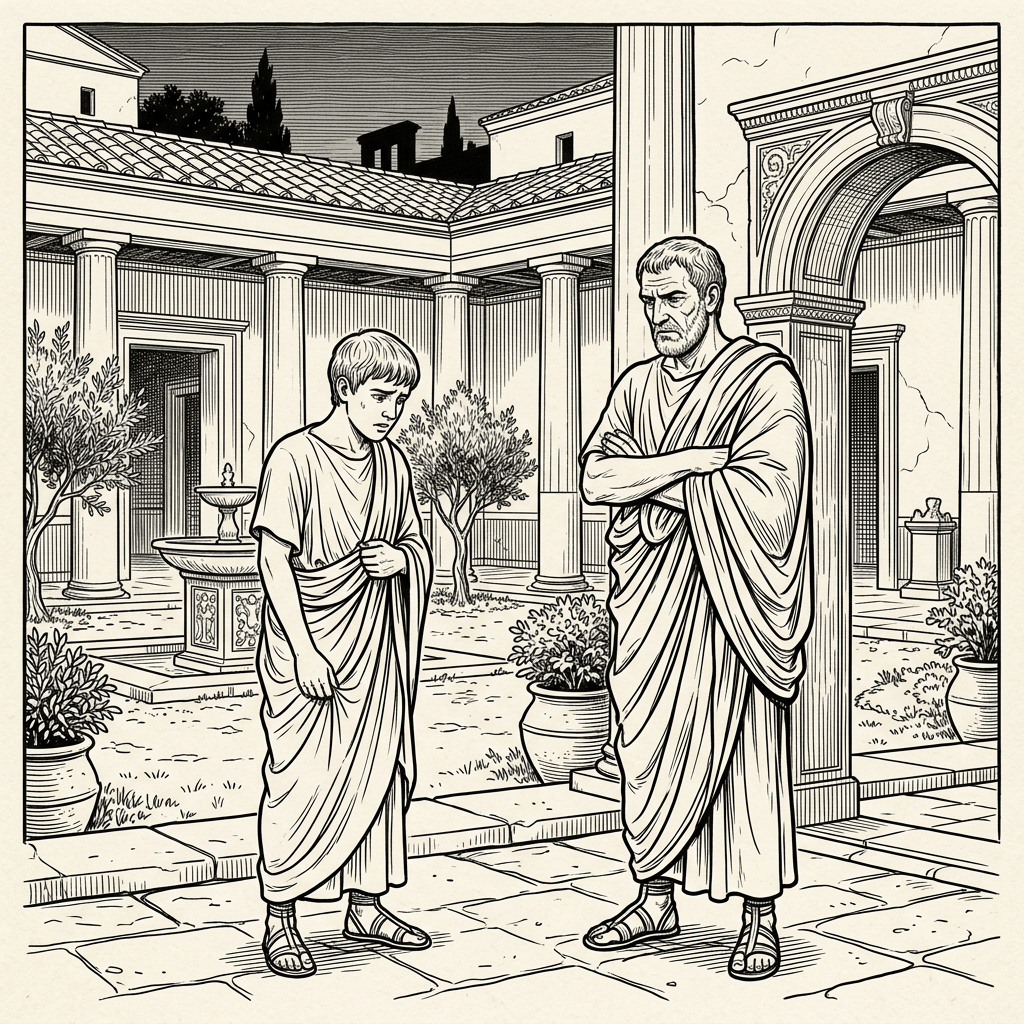
Terence’s Heauton Timorumenos, performed in 163 BCE, offers a nuanced exploration of paternal authority and self-inflicted suffering within Roman domestic life. Through character Menedemus, Terence examines the complexities of moral anguish and human interdependence, emphasizing emotional authenticity and psychological realism over farcical elements, reflecting deep ethical considerations in familial relationships.
-
Plautus’s Aulularia, edited by Wolfgang de Melo, is a Roman comedy focused on the themes of avarice and social anxiety through the character of Euclio, a miser whose hidden wealth becomes a source of paranoia. The play critiques economic tensions and highlights how obsession isolates individuals, revealing the complexities of wealth and trust in society.
-

Paul Robeson (1898-1976) was a multifaceted figure who seamlessly integrated culture, law, and politics while critiquing racial capitalism and imperialism. A gifted performer and activist, he used his art as a tool for social justice and global anti-fascism, influencing civil rights movements and challenging systemic racism throughout his life.
-
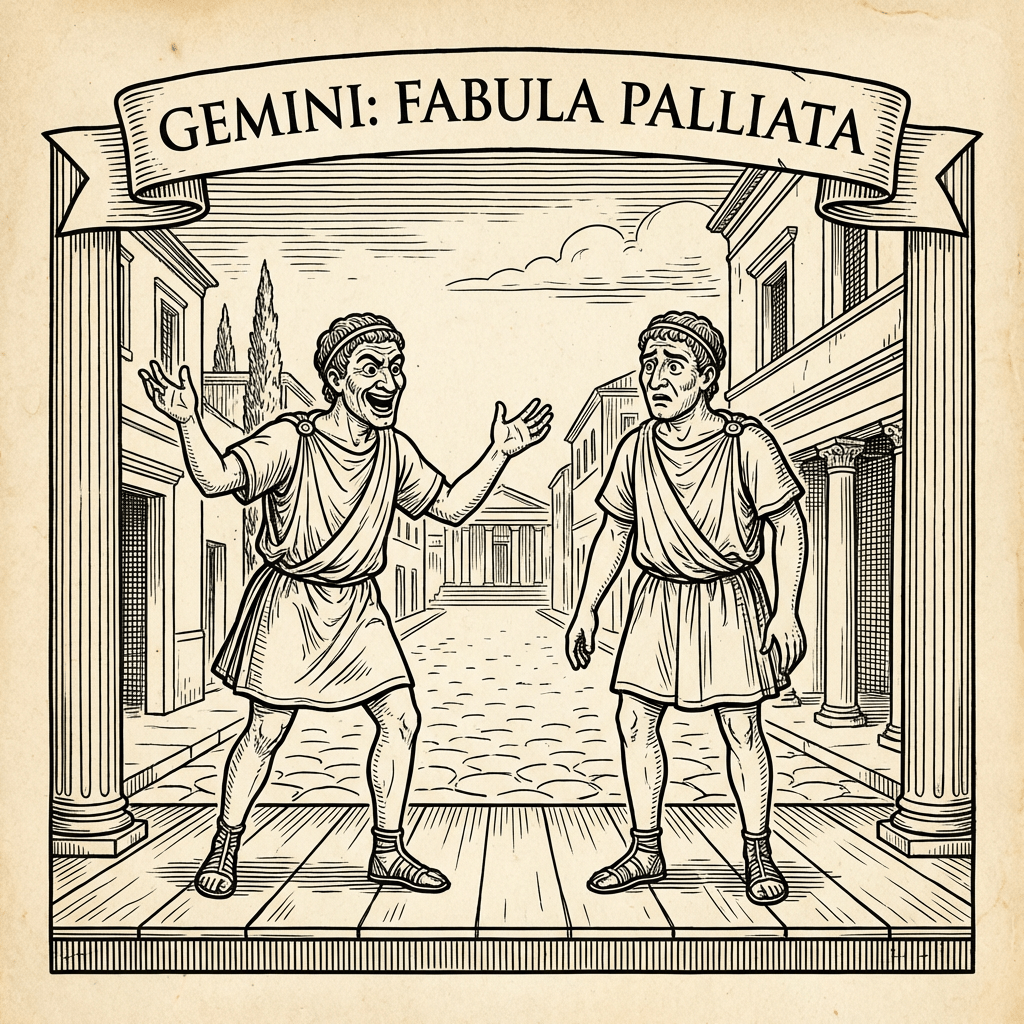
Plautus’s The Two Menaechmuses is a foundational Roman comedy that explores mistaken identity through the story of identical twins. The 2011 Loeb Classical Library edition presents the Latin text and English translation, highlighting the play’s linguistic play and commentary on Roman social dynamics. Its enduring influence on comedy continues, raising questions about gender roles and…
-

Menander’s “Dyskolos,” a New Comedy masterpiece from 316 BCE, highlights the transition from political satire to domestic concerns. Centering on the misanthropic farmer Knemon, it addresses themes of social integration and moral reform. The play’s nuanced characters and ethical insights reveal the importance of community and cooperation for human flourishing, influencing later European comedy.
-
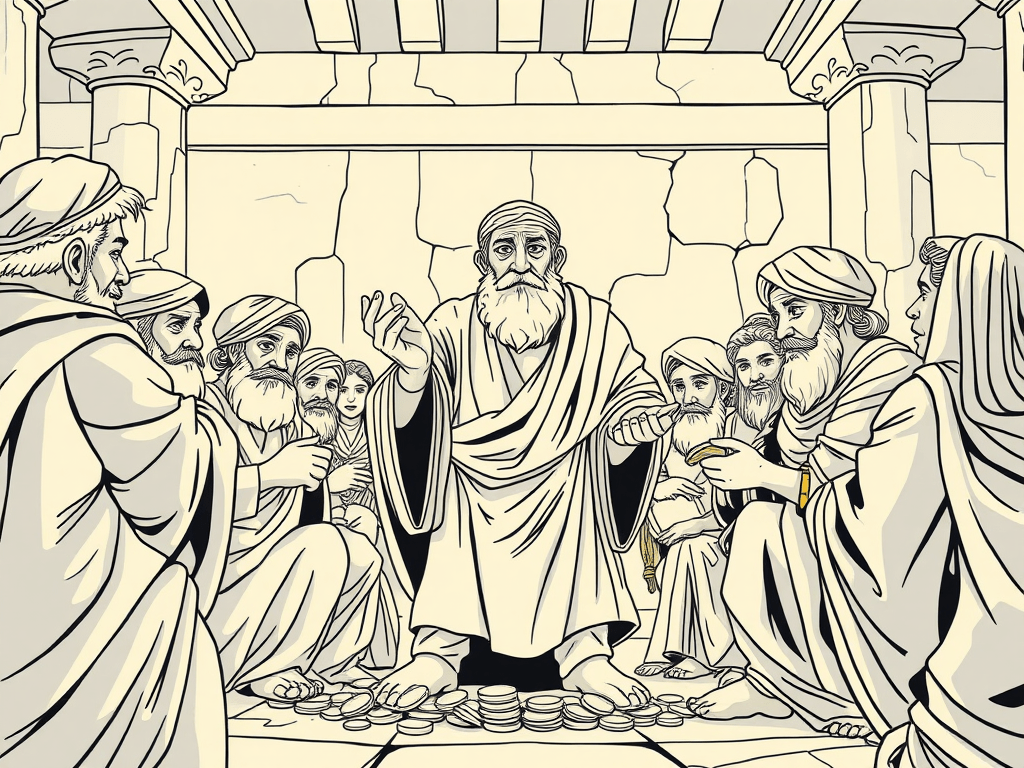
Aristophanes’s “Wealth” critiques social inequality through the character of Ploutos, illustrating how wealth distribution is morally flawed rather than a critique of ownership. The play highlights the paradox of poverty as a necessary discipline for labor while framing solutions within a conservative, reformist ideology that seeks comfort for the middle class rather than systemic change.
-
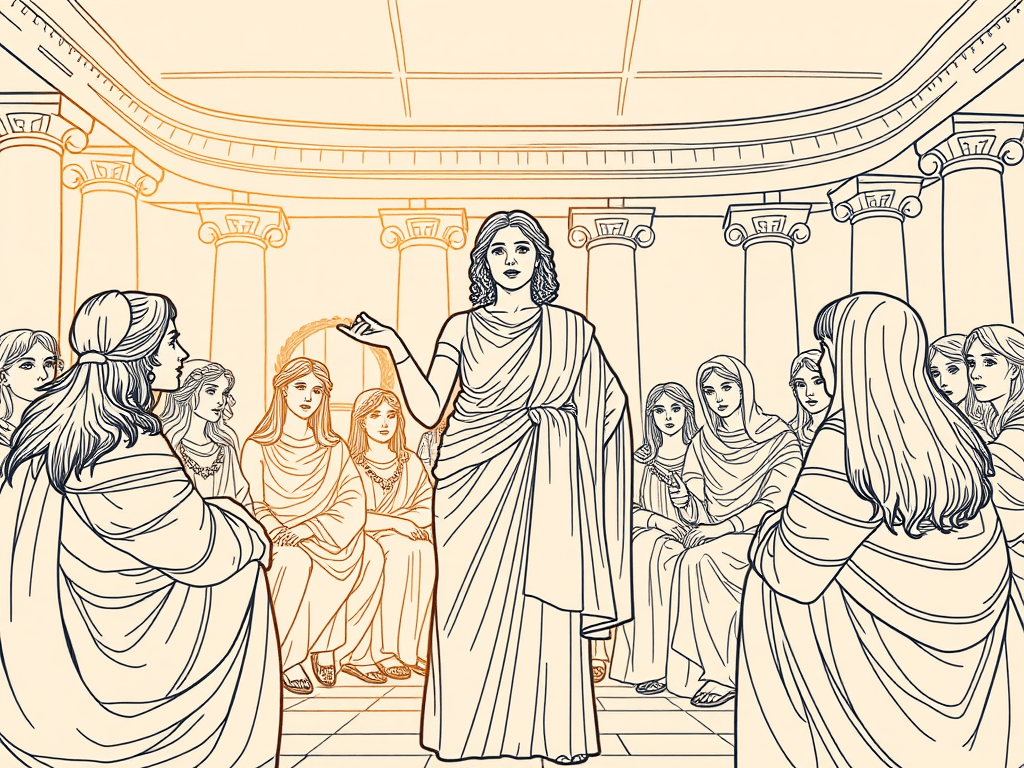
Aristophanes’s “Assemblywomen,” produced in the early fourth century BCE, explores women’s political agency through satire. The play reflects Athens’s post-war discontent, merging politics with sexual economy. Protagonist Praxagora advocates for radical reforms, critiquing male governance. The comedy highlights the complexities and dangers of egalitarianism in a struggling democracy, revealing political exhaustion.
-

Tennessee Williams’s The Glass Menagerie is analyzed as a Marxist critique revealing the economic and ideological pressures on the Wingfield family. It portrays their struggles as products of class dynamics and capitalist structures rather than mere personal dysfunctions. The play illustrates how capitalism shapes identity, aspirations, and family relations, highlighting systemic inequalities.
-

Aristophanes’ “Frogs” serves as a comedic exploration of cultural authority during Athens’ decline, presenting a contest between Aeschylus and Euripides that reflects class struggles. The play critiques political legitimacy and reforms citizenship while revealing art’s role in societal survival. Ultimately, it underscores the tension between comedy as critique and a tool for maintaining authority.
-
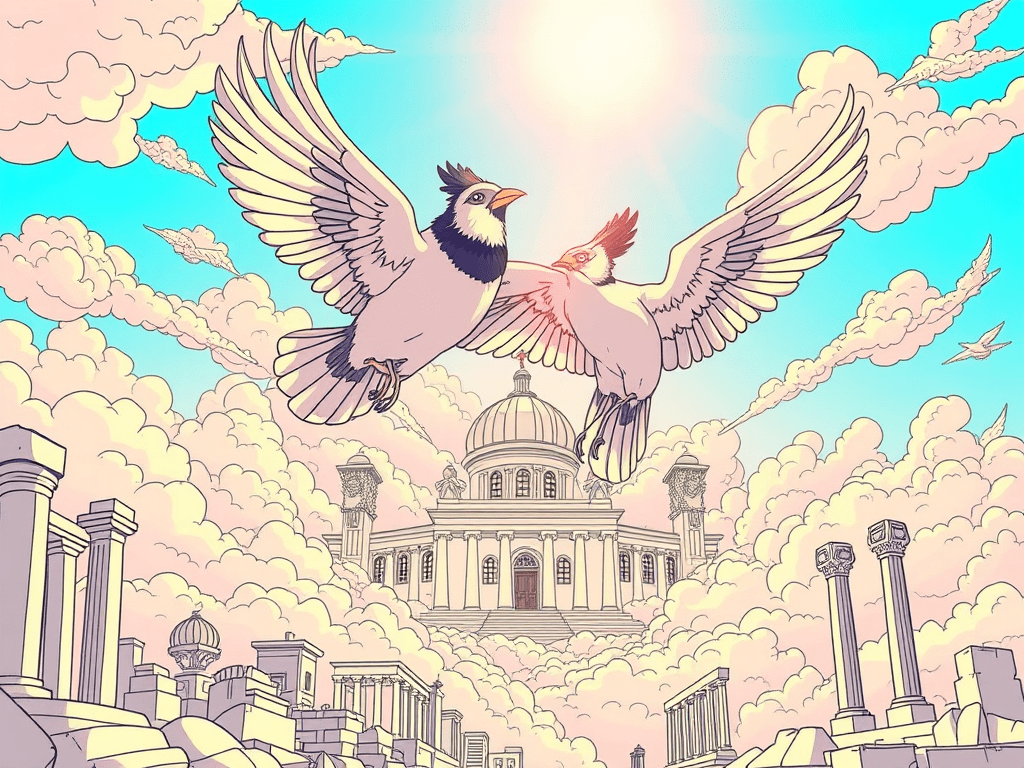
Aristophanes’ “Birds” presents a nuanced critique of Athenian society, highlighting the tensions between utopian aspirations and class power. The protagonists’ escape to Cloudcuckooland reveals how revolutionary impulses can perpetuate existing hierarchies. Through comedy, Aristophanes underscores the failure to achieve genuine transformation, advocating for structural change over mere escapism.
 Letters from Tomis