Communism
-
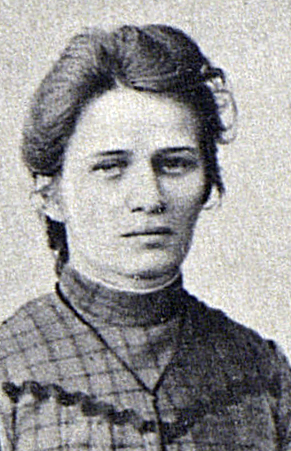
Lyubov Nikolaevna Radchenko’s contributions to the Russian revolutionary movement exemplify the essential yet often overlooked roles of women activists. While overshadowed by prominent figures, her work as an underground organizer highlights the critical organization and education within the Bolshevik context. Radchenko’s story reveals the vital labor behind major revolutionary transformations.
-
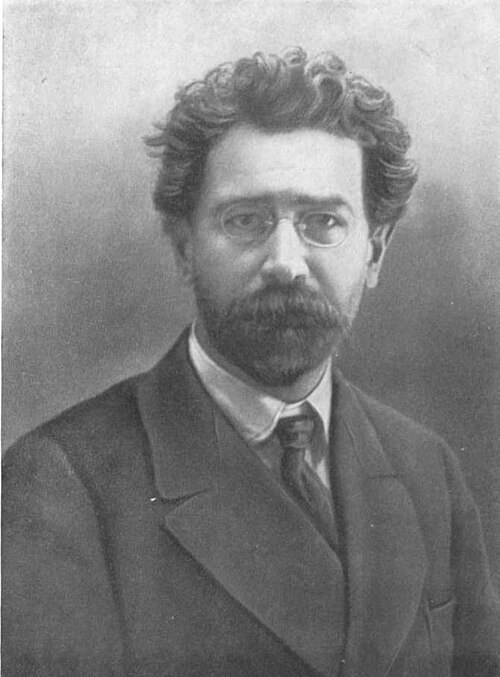
Viktor Pavlovich Nogin, a notable Bolshevik, advocated for socialist coalition during the Russian Revolution, opposing one-party rule. His working-class roots and experiences shaped his political stance, emphasizing collaboration among socialists. Though marginalized post-revolution, Nogin’s legacy highlights internal conflicts within early Soviet politics and the broader dynamics of revolutionary change.
-
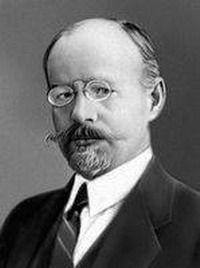
Alexander Shotman, an Old Bolshevik organizer and close associate of Lenin, rose from worker origins to help sustain the revolutionary underground and early Soviet state. Transitioning into administration after 1917, he remained loyal but fell victim to Stalin’s Great Purge in 1937, later rehabilitated as a symbol of Bolshevism’s tragic trajectory.
-
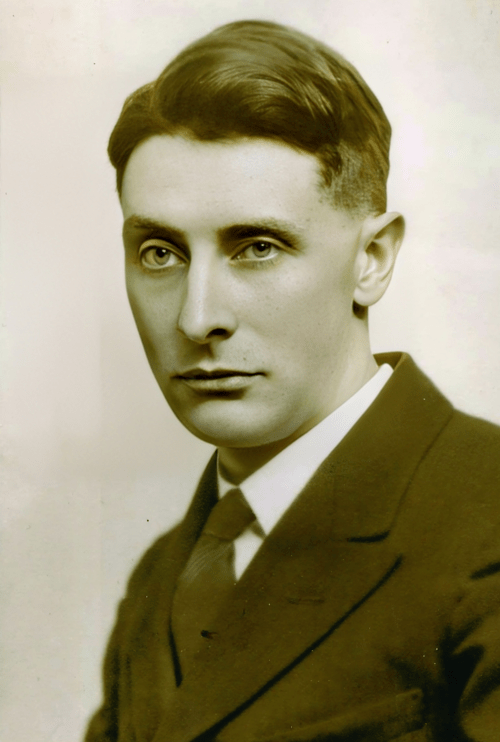
George Gilmore was a key figure in twentieth-century Irish republicanism, transitioning from militant nationalism to socialist republicanism. His life reflects ideological divides in the revolutionary tradition, emphasizing class struggle alongside national sovereignty. An active participant in the Republican Congress and the Spanish Civil War, Gilmore advocated for social justice, leaving a lasting impact on radical…
-
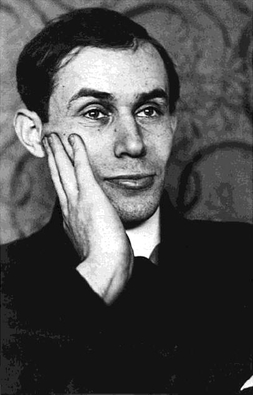
Arkadi Maslow, a significant figure in the German communist movement, was known for his intellectual contributions and leadership roles in the early Communist Party of Germany. His career, marked by radicalization, theoretical debates, and eventual marginalization under Stalinism, reflects the challenges faced by revolutionary intellectuals during this pivotal historical period.
-
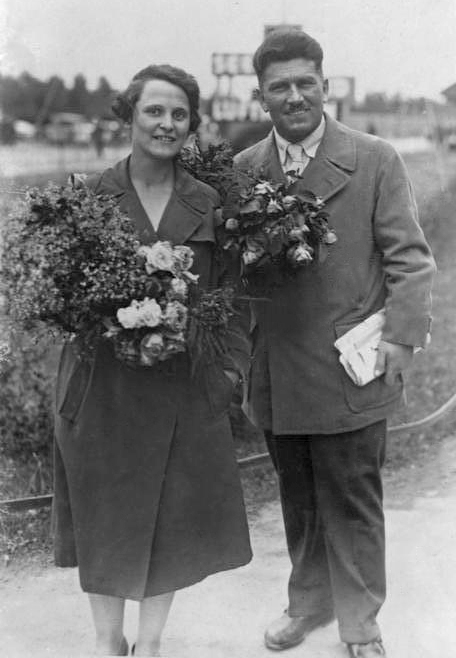
Max Hoelz was a key figure in the revolutionary movements of Weimar Germany, known for his militant approach rather than formal party ideology. His life journey from working-class poverty to leading armed uprisings in a chaotic political landscape highlights the tensions between revolutionary action, mass politics, and state repression, illustrating the complex dynamics of class…
-
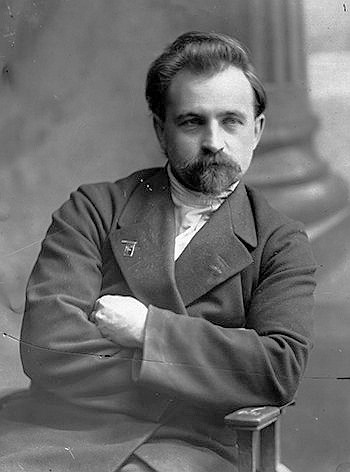
Yevgeny Preobrazhensky was a key figure in the Russian Revolution, known for his intellectual contributions to Marxist economics. As a Bolshevik, he theorized the complexities of socialist construction in Russia, focusing on “primitive socialist accumulation.” His political stance aligned with the Left Opposition, leading to his marginalization and execution during Stalin’s purges.
-
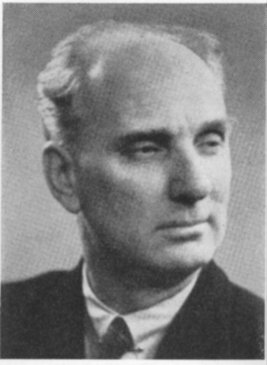
Ture Nerman was a significant figure in Swedish political history, serving as a poet, journalist, and communist leader. He played a crucial role in shaping socialist thought, criticizing militarism and nationalism during World War I, and rejecting Stalinism in favor of anti-fascism and democratic freedoms. Nerman remained influential until his death in 1969.
-
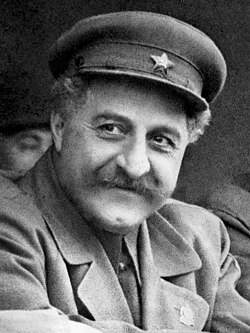
Sergo Ordzhonikidze, a prominent Bolshevik figure during the Stalin era, transitioned from revolutionary to key economic administrator, notably as People’s Commissar of Heavy Industry. His integration of the Caucasus into Soviet governance and eventual coerced death in 1937 illustrate the perilous nature of Stalin’s regime, marking him as both a modernizer and a victim of…
-
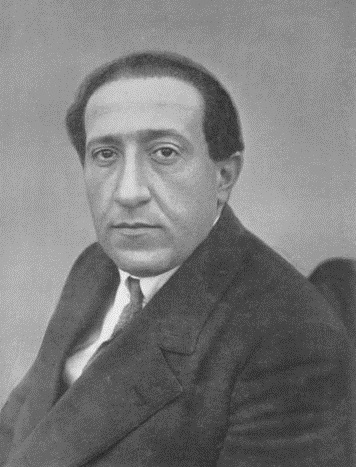
József Pogány was a Hungarian communist revolutionary and journalist active during WWII and the Hungarian Soviet Republic of 1919. His career reflected the challenges faced by revolutionary intellectuals amid political turmoil. After exile from Hungary, he engaged with the Comintern but was ultimately arrested and executed during Stalin’s Great Purge in 1938.

