Book Reviews
-
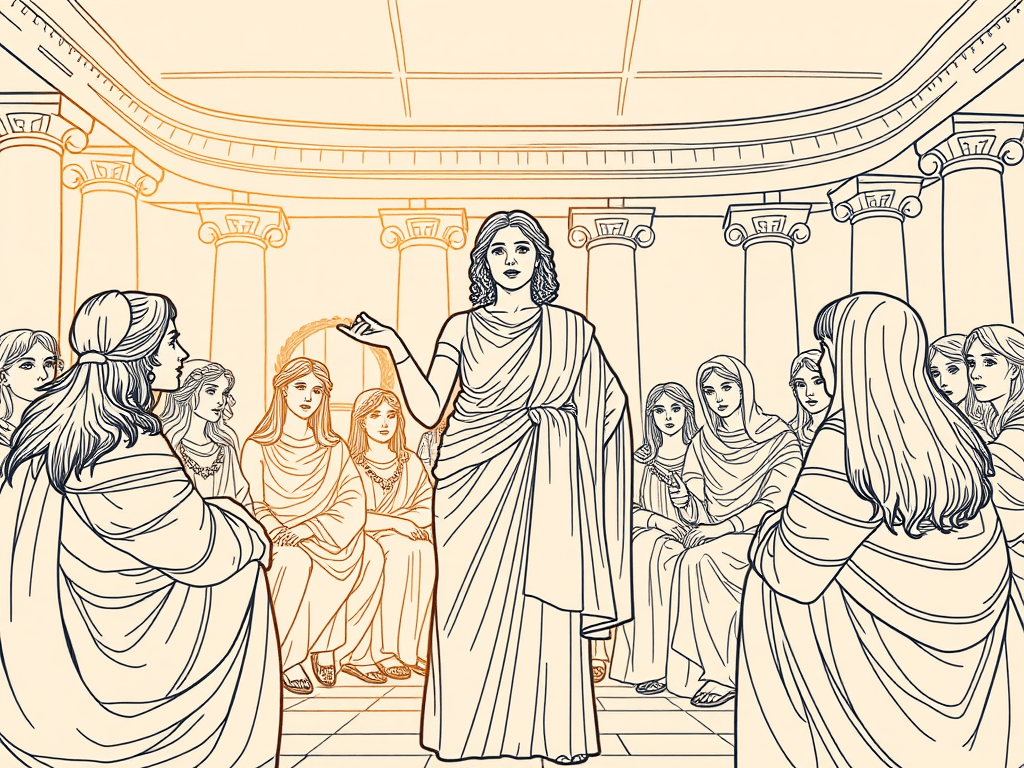
Aristophanes’s “Assemblywomen,” produced in the early fourth century BCE, explores women’s political agency through satire. The play reflects Athens’s post-war discontent, merging politics with sexual economy. Protagonist Praxagora advocates for radical reforms, critiquing male governance. The comedy highlights the complexities and dangers of egalitarianism in a struggling democracy, revealing political exhaustion.
-
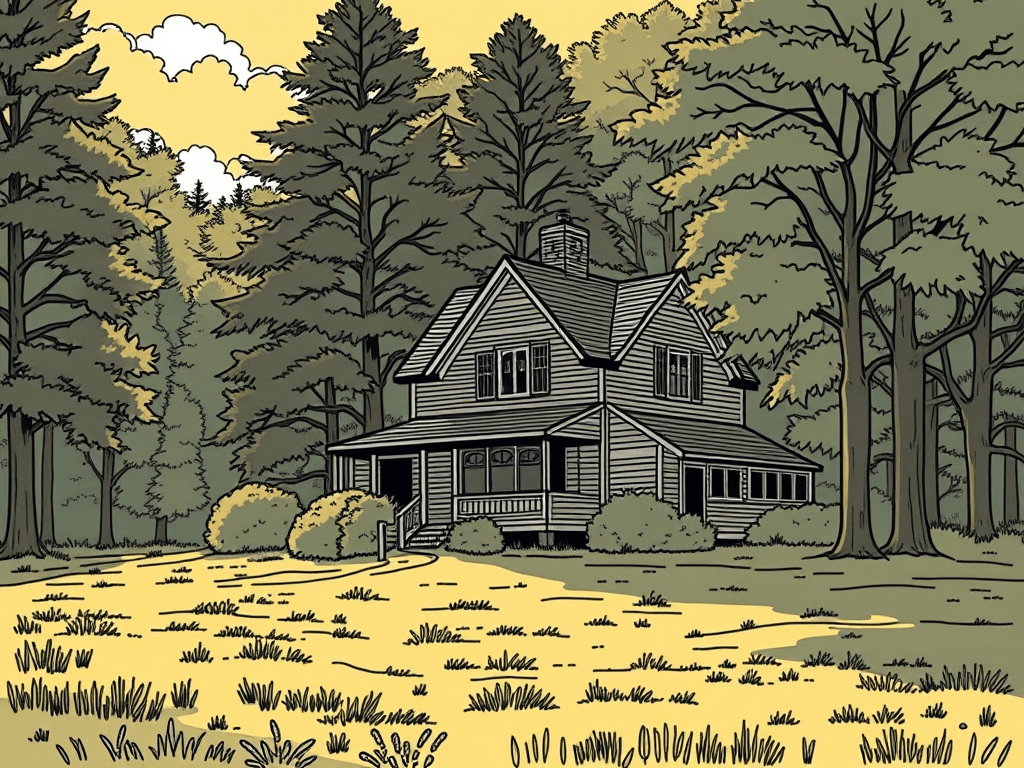
Daniel Mason’s North Woods is a complex novel set in rural New England, exploring themes of history, memory, and environmental change through an old house and its land. Structured as a polyphonic archive, it critiques ownership and highlights nature’s indifference, offering rich, varied prose that connects human experience with the ecological world.
-

In The Real Cool Killers, Chester Himes exposes Harlem as a zone of racial capitalism where poverty, rumor, and spectacle erupt into violence. A Marxist reading reveals crime as socially produced: policing maintains oppressive order, “cool” becomes commodity, and ideology masks exploitation while the poor are trapped in alienation.
-
Chester Himes’s A Rage in Harlem is a complex work blending detective fiction, dark comedy, and social critique. Centered on Jackson, a man seeking stability in a chaotic Harlem, the novel reveals how systemic racism and economic desperation warp the American Dream. Himes critiques both crime and policing, exposing the intricate ties between community and…
-
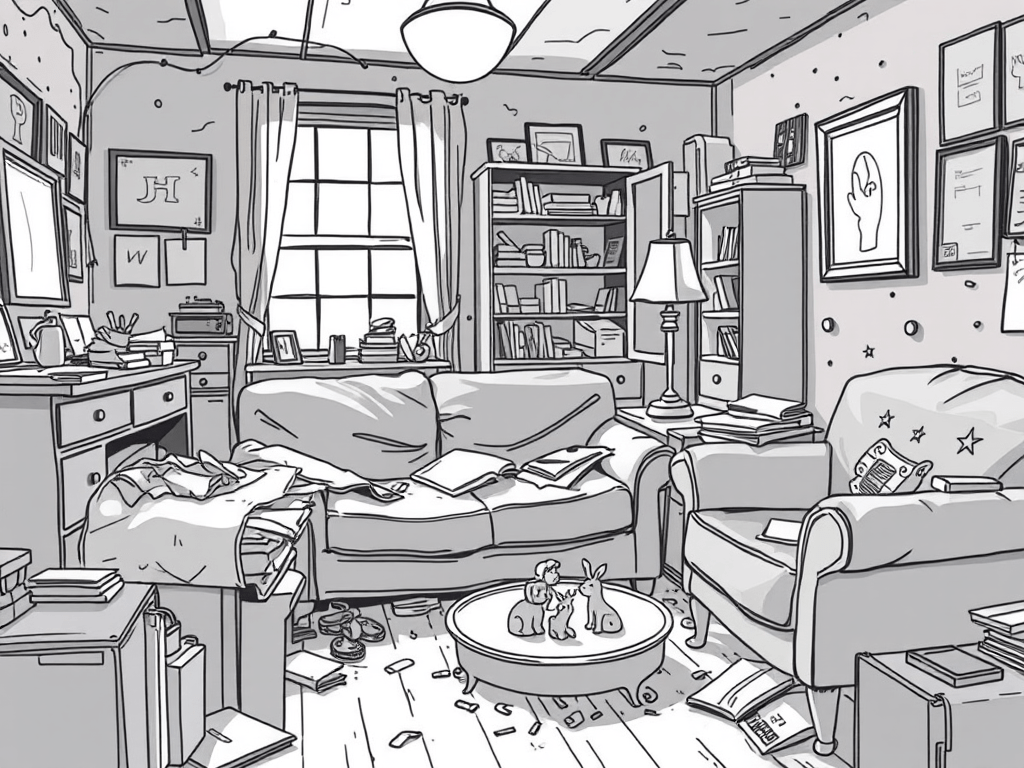
Tennessee Williams’s The Glass Menagerie is analyzed as a Marxist critique revealing the economic and ideological pressures on the Wingfield family. It portrays their struggles as products of class dynamics and capitalist structures rather than mere personal dysfunctions. The play illustrates how capitalism shapes identity, aspirations, and family relations, highlighting systemic inequalities.
-

Alan Woods’ “Ireland: Republicanism and Revolution” examines Irish republicanism through a Marxist lens, arguing that its historical struggles intertwine with class dynamics rather than merely national identity. Woods emphasizes the need for working-class politics in any reunification efforts, critiquing past compromises that stabilized capitalist order while grappling with the complex nature of republicanism’s varied traditions.
-

Ian W. Toll’s “Twilight of the Gods” concludes his Pacific War trilogy, exploring the final phase of the conflict from mid-1944 to 1945. The book intricately weaves operational history with high command decisions, emphasizing the complexities of American and Japanese military strategies. Toll highlights institutional dynamics, moral dilemmas, and the profound human costs of war,…
-
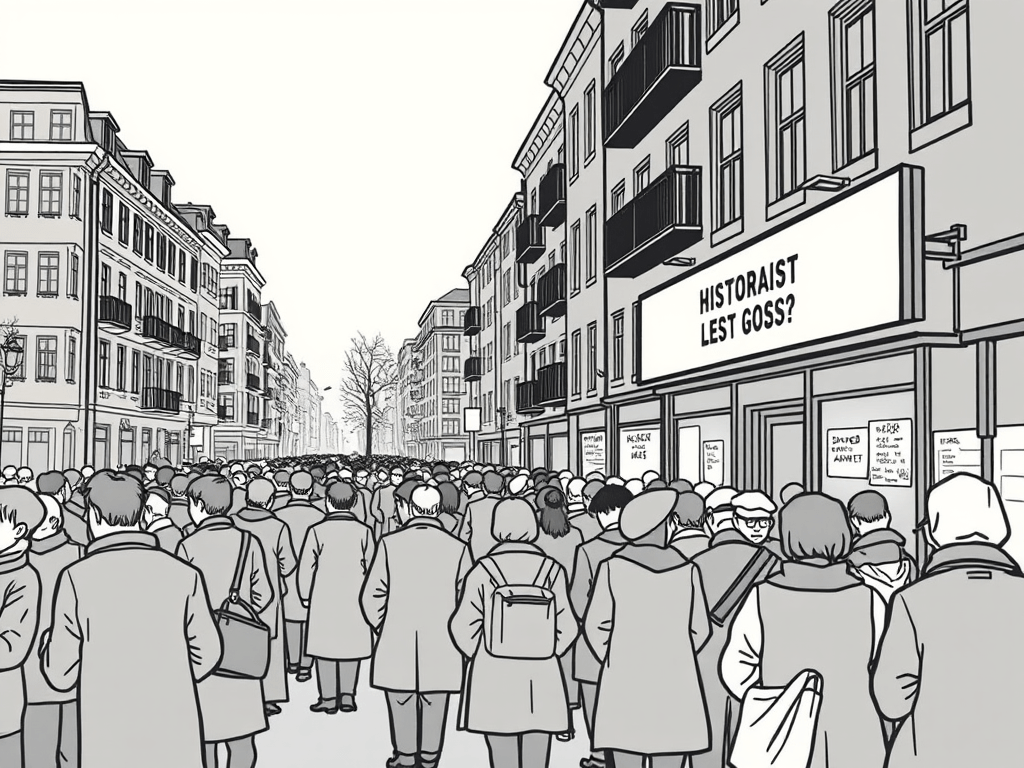
Book Review Fitzpatrick, Sheila. Everyday Stalinism: Ordinary Life in Extraordinary Times: Soviet Russia in the 1930s. Oxford UP, 1999. Sheila Fitzpatrick’s Everyday Stalinism: Ordinary Life in Extraordinary Times: Soviet Russia in the 1930s (first published 1999) is among the most influential works of late–20th-century “revisionist” Soviet social history: it shifts the analytic spotlight away from…
-

Friedrich Engels’s “Ludwig Feuerbach and the End of Classical German Philosophy” critically analyzes German philosophy’s evolution, advocating for a Marxist synthesis of Hegel’s dialectical method and Feuerbach’s materialism. Engels argues for dialectics as a transformative method, highlighting implications for socialist theory and its relevance in contemporary philosophical discussions on materialism and praxis.
-

Raymond Chandler’s The Long Goodbye is a profound exploration of loyalty, class, and moral exhaustion in postwar America, marking a shift from classic detective fiction to existential critique. Philip Marlowe’s journey reveals a disillusioned struggle against societal norms, making the novel a tragic commentary on integrity and the emptiness of modern life.
 Letters from Tomis