Book Reviews
-

Joseph Moldover’s “To the End of Reckoning” is a psychological mystery exploring memory, grief, and familial obligation. Centered on the relationship between Lukas and his father, Dr. Richard Moore, the narrative blends emotional vulnerability with detective elements, highlighting the impact of trauma and the interplay between truth and perception in human relationships.
-
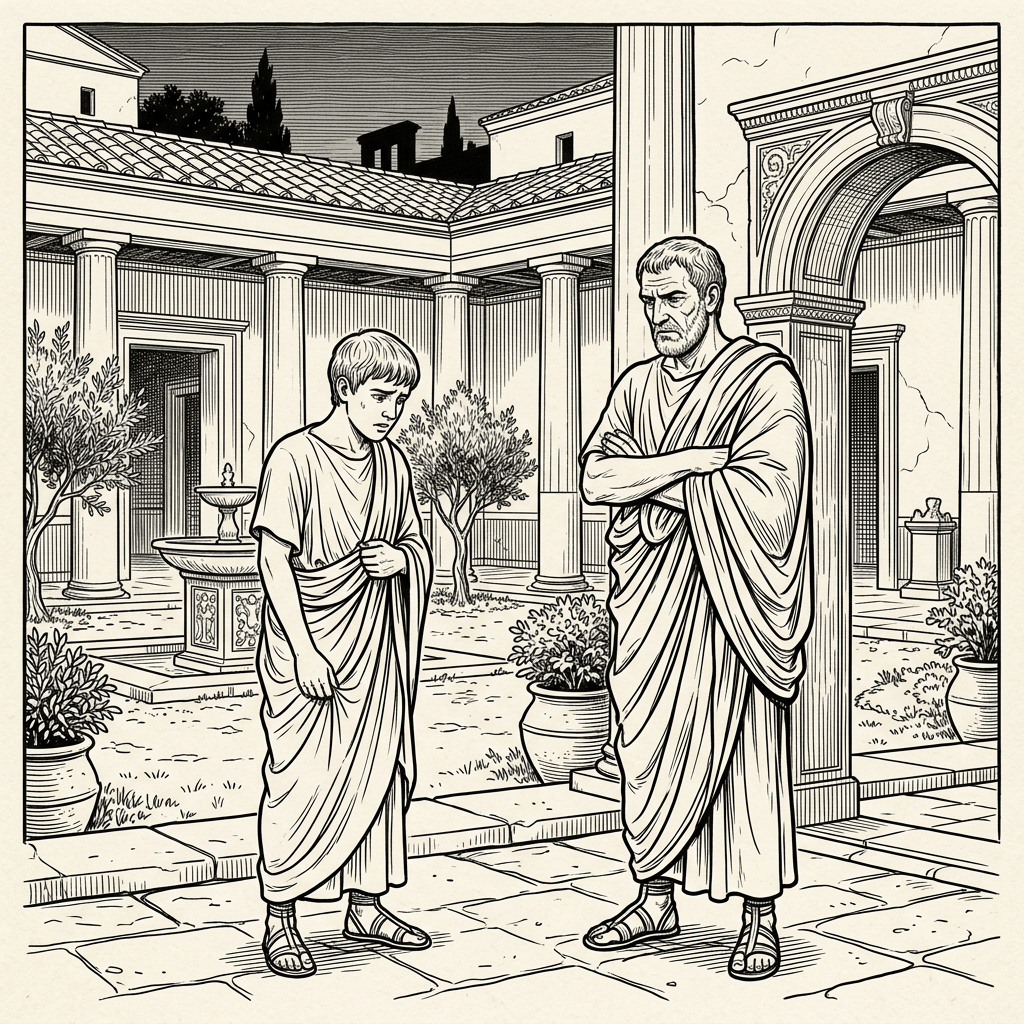
Terence’s “Adelphoe,” performed in 160 BCE, critiques Roman masculinity through the conflicting ideals of two brothers, Demea and Micio, regarding fatherhood and authority. The play navigates complex themes like educational philosophy and societal expectations, ultimately resisting simple moral resolutions and highlighting the nuances of family dynamics amid cultural transformation.
-
Terence’s Heauton Timorumenos, performed in 163 BCE, offers a nuanced exploration of paternal authority and self-inflicted suffering within Roman domestic life. Through character Menedemus, Terence examines the complexities of moral anguish and human interdependence, emphasizing emotional authenticity and psychological realism over farcical elements, reflecting deep ethical considerations in familial relationships.
-

Hegel’s “Elements of the Philosophy of Right” attempts to reconcile freedom with social order, emphasizing the role of institutions like the family and state. A revolutionary communist critique argues that Hegel obscures class relations and the coercive nature of the state, treating property as freedom while neglecting systemic exploitation. This text serves as a bridge…
-

George Novack’s “Understanding History: Marxist Essays” provides an accessible introduction to historical materialism, emphasizing the role of material conditions in social development. While defending Marxist historiography against alternative perspectives, Novack critiques positivism and idealism. Despite its clarity, the text may lack nuance in addressing cultural complexities. It serves both as an educational tool and a…
-

Michael Finkel’s The Art Thief explores the life of Stéphane Breitwieser, a prolific art thief, focusing on the psychological motivations behind his crimes. By examining his thefts not just as criminal acts but as a complex interplay of obsession and aesthetic appreciation, the book invites reflection on art ownership and ethical implications, while questioning narrative…
-
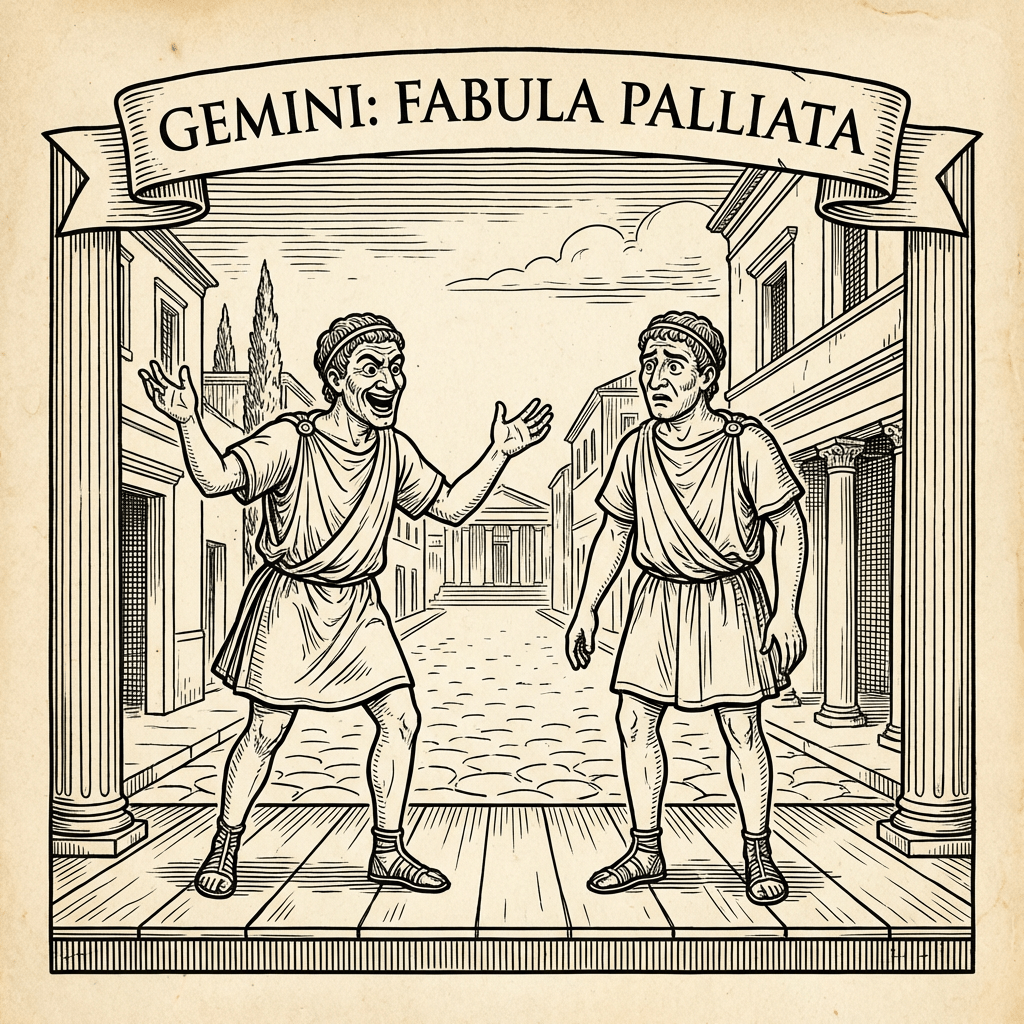
Plautus’s Aulularia, edited by Wolfgang de Melo, is a Roman comedy focused on the themes of avarice and social anxiety through the character of Euclio, a miser whose hidden wealth becomes a source of paranoia. The play critiques economic tensions and highlights how obsession isolates individuals, revealing the complexities of wealth and trust in society.
-

Ross Macdonald’s The Zebra-Striped Hearse is a pivotal work in the American detective novel, blending hardboiled conventions with deep psychological and social insight. Private investigator Lew Archer’s journey explores identity and familial dysfunction, revealing crime as a symptom of deeper issues. Macdonald’s lyrical prose highlights themes of memory, trauma, and societal anxieties.
-
Plautus’s The Two Menaechmuses is a foundational Roman comedy that explores mistaken identity through the story of identical twins. The 2011 Loeb Classical Library edition presents the Latin text and English translation, highlighting the play’s linguistic play and commentary on Roman social dynamics. Its enduring influence on comedy continues, raising questions about gender roles and…
-

Rosa Luxemburg’s “The National Question: Selected Writings,” edited by Horace B. Davis, presents a critical Marxist analysis of nationalism, arguing against national self-determination as a solution under capitalism. The collection highlights Luxemburg’s rigorous critique of class dynamics and the limitations of nationalist politics, while remaining influential in contemporary discussions on internationalism and socialist strategy.

