Book Review
Cohen, Stephen F. Bukharin and the Bolshevik Revolution: A Political Biography, 1888–1938. Oxford University Press, 1980. (Originally published by A. A. Knopf, 1973.)
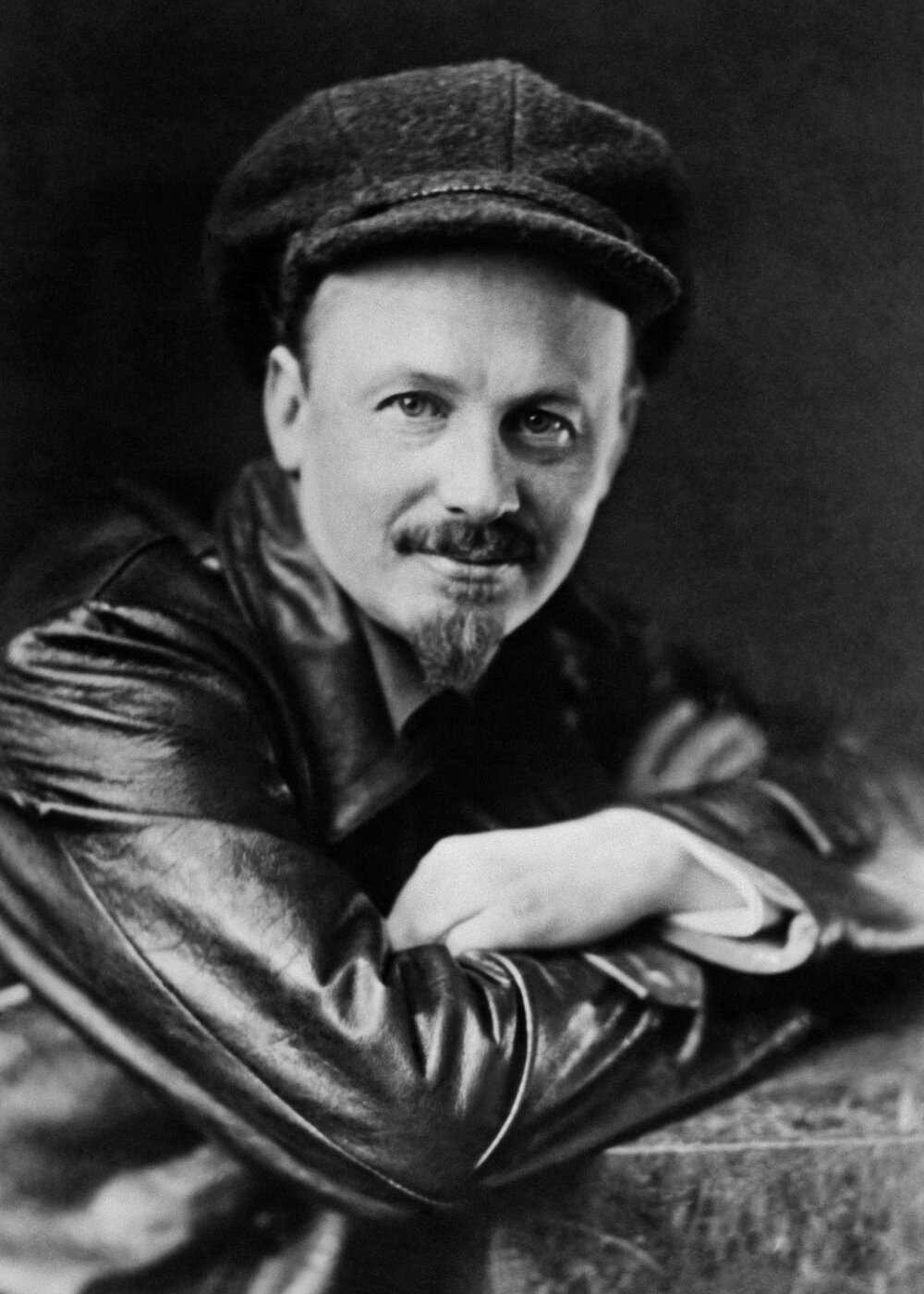
Stephen F. Cohen’s Bukharin and the Bolshevik Revolution: A Political Biography, 1888–1938 is a landmark attempt to re-center Nikolai Bukharin as both theorist and political actor in the fate of the early Soviet state. First published in 1973 and substantially revised for an Oxford paperback in 1980, the book challenged Cold War orthodoxies by treating Bukharin neither as a liberal martyr nor as Stalin’s mere foil but as a serious Bolshevik strategist whose program mattered to the revolution’s internal class balance.
From a revolutionary communist standpoint, the book’s central achievement is historiographical: Cohen reconstructs the “Right Opposition” not as capitulation but as a coherent line rooted in the worker–peasant alliance (smychka) and the contradictions of transition. He shows how Bukharin’s gradualist path—defense of the NEP, market levers within a planned framework, insistence on the voluntary character of collectivization, and the famous slogan “enrich yourselves” aimed at stabilizing poor/middle peasants—emerged from concrete class pressures in town and countryside. Cohen is at his best when tracing how debates over industrialization rates, price scissors, and cooperative forms expressed real conflicts inside the proletariat and between proletariat and peasantry, rather than personality struggles alone. In this sense, the book enriches Marxist analysis of the transitional economy: policy is treated as condensed class struggle, not technocratic preference.
Cohen’s portrait of Bukharin’s theoretical evolution is equally valuable. He carefully follows Bukharin from the pre-1917 “Left Communist” phase, through the Brest-Litovsk controversy, to his mature efforts to theorize a regulated commodity economy under proletarian rule. The Bukharin who emerges is neither an “agrarian populist” nor a soft reformist, but a Bolshevik attempting to hold together the dictatorship of the proletariat under conditions of peasant majority and international isolation. Cohen’s account therefore helps correct a simplistic binary that equates revolutionary will with accelerated coercion and tars all alternative tempos as retreat.
For revolutionary communists, however, the book also has limits. First, Cohen’s sympathy for Bukharin can shade into underestimating the strategic weak points of the Right Opposition. The wager that a stabilized NEP would organically develop into socialism risks, at minimum, a creeping petty-commodity restoration inside the countryside and a stratification of the working class in the cities. The text is relatively quiet on how Bukharin’s line would confront kulak differentiation without either administrative voluntarism or a slide back toward market rule. Second, the international dimension is underplayed. Bukharin recognized the centrality of world revolution, yet Cohen’s emphasis on domestic policy debates sometimes detaches Soviet choices from defeats abroad (e.g., in Germany and China) that narrowed the horizons of possibility and strengthened bureaucratic conservatism. A revolutionary communist critique would want the book to situate programmatic alternatives more tightly within the combined and uneven dynamics of the 1920s world market and the ebb of the European revolutionary wave.
Still, Cohen’s chapters on the purge, trial, and execution of Bukharin—written before the USSR’s official rehabilitation in 1988—were prescient in showing the evidentiary vacuum behind the confessions and the political logic of terror as a mode of bureaucratic rule. Subsequent legal and political rehabilitations confirmed the fraudulence of the charges and vindicated the thrust of Cohen’s case about Bukharin’s innocence.
In sum, Bukharin and the Bolshevik Revolution remains indispensable. For revolutionaries, its enduring use is twofold: it restores the contested nature of the transition (multiple Bolshevik roads were on the table), and it sharpens today’s strategic questions about planning, peasant alliances, and proletarian democracy under conditions of scarcity and encirclement. Where one might fault Cohen for occasionally idealizing Bukharin’s “softness,” one must also credit him with reopening the space to debate the tempo and political form of socialist construction—precisely the debates any living Marxism must continue.
 Letters from Tomis
Leave a comment