Soviet Union
-
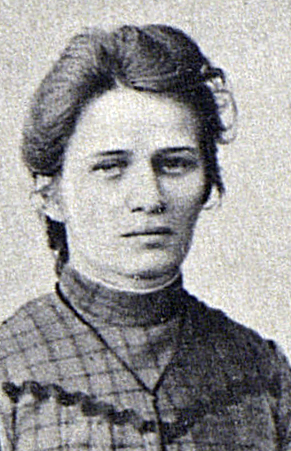
Lyubov Nikolaevna Radchenko’s contributions to the Russian revolutionary movement exemplify the essential yet often overlooked roles of women activists. While overshadowed by prominent figures, her work as an underground organizer highlights the critical organization and education within the Bolshevik context. Radchenko’s story reveals the vital labor behind major revolutionary transformations.
-
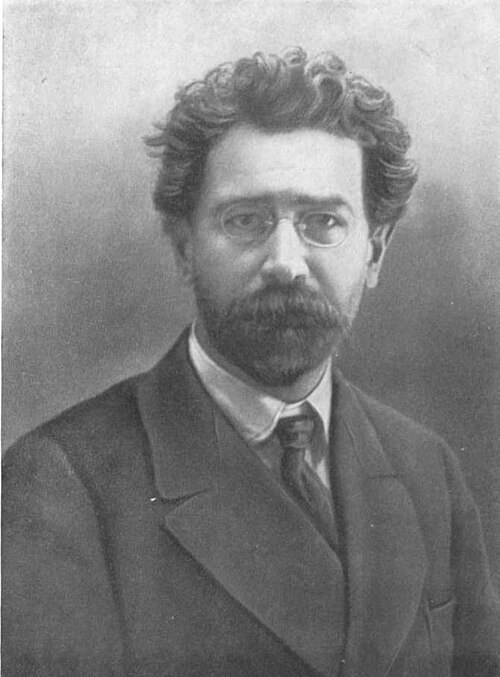
Viktor Pavlovich Nogin, a notable Bolshevik, advocated for socialist coalition during the Russian Revolution, opposing one-party rule. His working-class roots and experiences shaped his political stance, emphasizing collaboration among socialists. Though marginalized post-revolution, Nogin’s legacy highlights internal conflicts within early Soviet politics and the broader dynamics of revolutionary change.
-
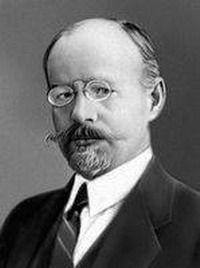
Alexander Shotman, an Old Bolshevik organizer and close associate of Lenin, rose from worker origins to help sustain the revolutionary underground and early Soviet state. Transitioning into administration after 1917, he remained loyal but fell victim to Stalin’s Great Purge in 1937, later rehabilitated as a symbol of Bolshevism’s tragic trajectory.
-

Orlando Figes’s The Whisperers examines everyday life in Stalin’s Russia, focusing on the intimate effects of state repression on personal relationships and identities. Relying on oral histories, Figes reveals the pervasive culture of fear and silence that shaped Soviet citizens’ experiences, while critically engaging with issues of memory and trauma in historical narratives.
-
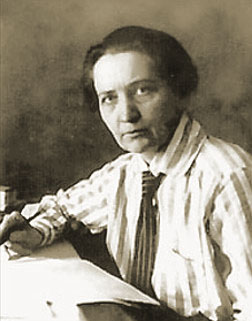
Yevgenia Bosch was a significant yet frequently overlooked figure in the Russian Revolution, emerging as a leading Bolshevik in Ukraine. Her tenure as one of the first female government heads illustrated both her capability and the complex dynamics of Bolshevik governance. Bosch’s unwavering ideological commitment ultimately led to her marginalization and tragic end, reflecting the…
-
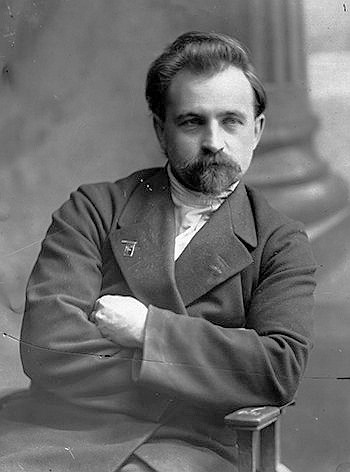
Yevgeny Preobrazhensky was a key figure in the Russian Revolution, known for his intellectual contributions to Marxist economics. As a Bolshevik, he theorized the complexities of socialist construction in Russia, focusing on “primitive socialist accumulation.” His political stance aligned with the Left Opposition, leading to his marginalization and execution during Stalin’s purges.
-
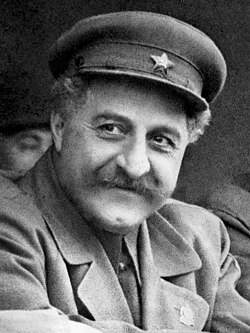
Sergo Ordzhonikidze, a prominent Bolshevik figure during the Stalin era, transitioned from revolutionary to key economic administrator, notably as People’s Commissar of Heavy Industry. His integration of the Caucasus into Soviet governance and eventual coerced death in 1937 illustrate the perilous nature of Stalin’s regime, marking him as both a modernizer and a victim of…
-
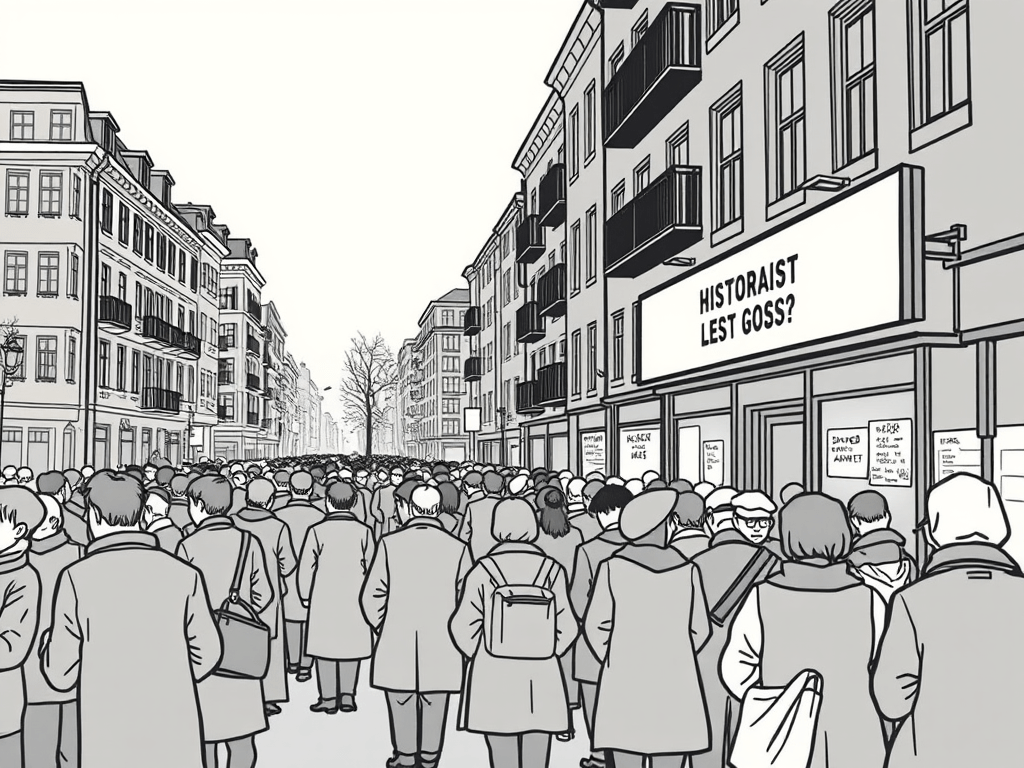
Book Review Fitzpatrick, Sheila. Everyday Stalinism: Ordinary Life in Extraordinary Times: Soviet Russia in the 1930s. Oxford UP, 1999. Sheila Fitzpatrick’s Everyday Stalinism: Ordinary Life in Extraordinary Times: Soviet Russia in the 1930s (first published 1999) is among the most influential works of late–20th-century “revisionist” Soviet social history: it shifts the analytic spotlight away from…
-
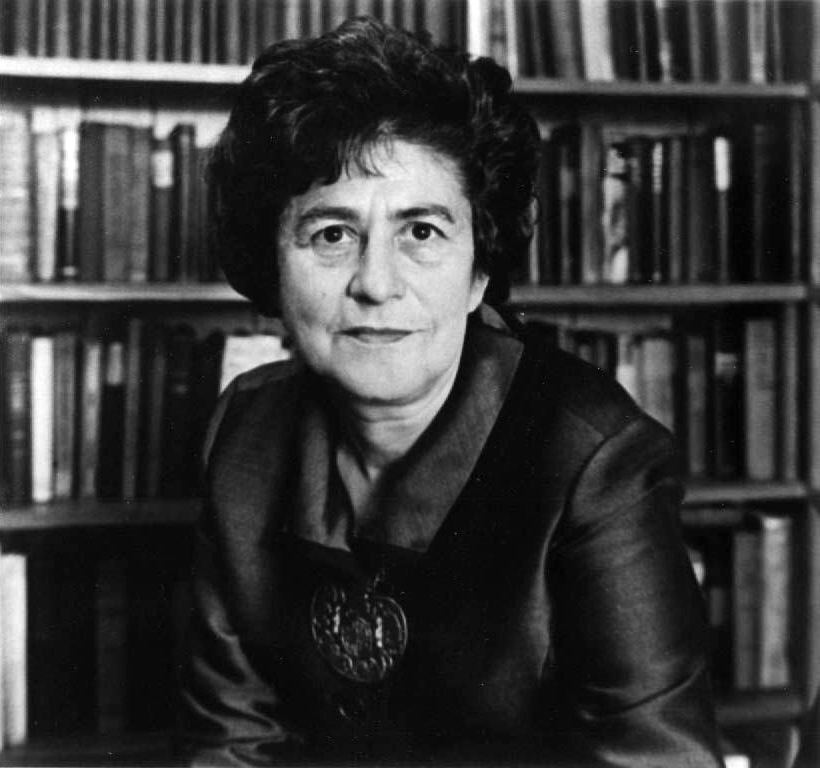
Raya Dunayevskaya (1910–1987) was a pivotal Marxist thinker who founded Marxist Humanism in the U.S. She critically engaged with Marx’s philosophy, Hegelian dialectics, feminism, and anti-imperialism, arguing for the importance of human liberation over bureaucratic socialism. Her work integrates theory and practice, emphasizing self-activity in revolutionary movements.
-
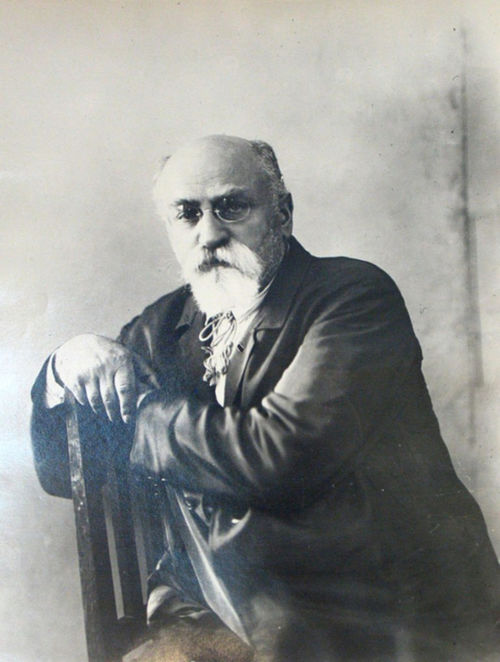
David Riazanov (1870–1938) was a key figure in Marxist scholarship, enhancing the study of Marx and Engels through rigorous academic methodologies. His independence led to conflicts with Stalinist ideology, resulting in imprisonment and execution. Despite this, Riazanov’s legacy endures, shaping modern Marxological research and advocating for scholarly integrity within Marxism.

