Stalin
-
Orlando Figes’s The Whisperers examines everyday life in Stalin’s Russia, focusing on the intimate effects of state repression on personal relationships and identities. Relying on oral histories, Figes reveals the pervasive culture of fear and silence that shaped Soviet citizens’ experiences, while critically engaging with issues of memory and trauma in historical narratives.
-
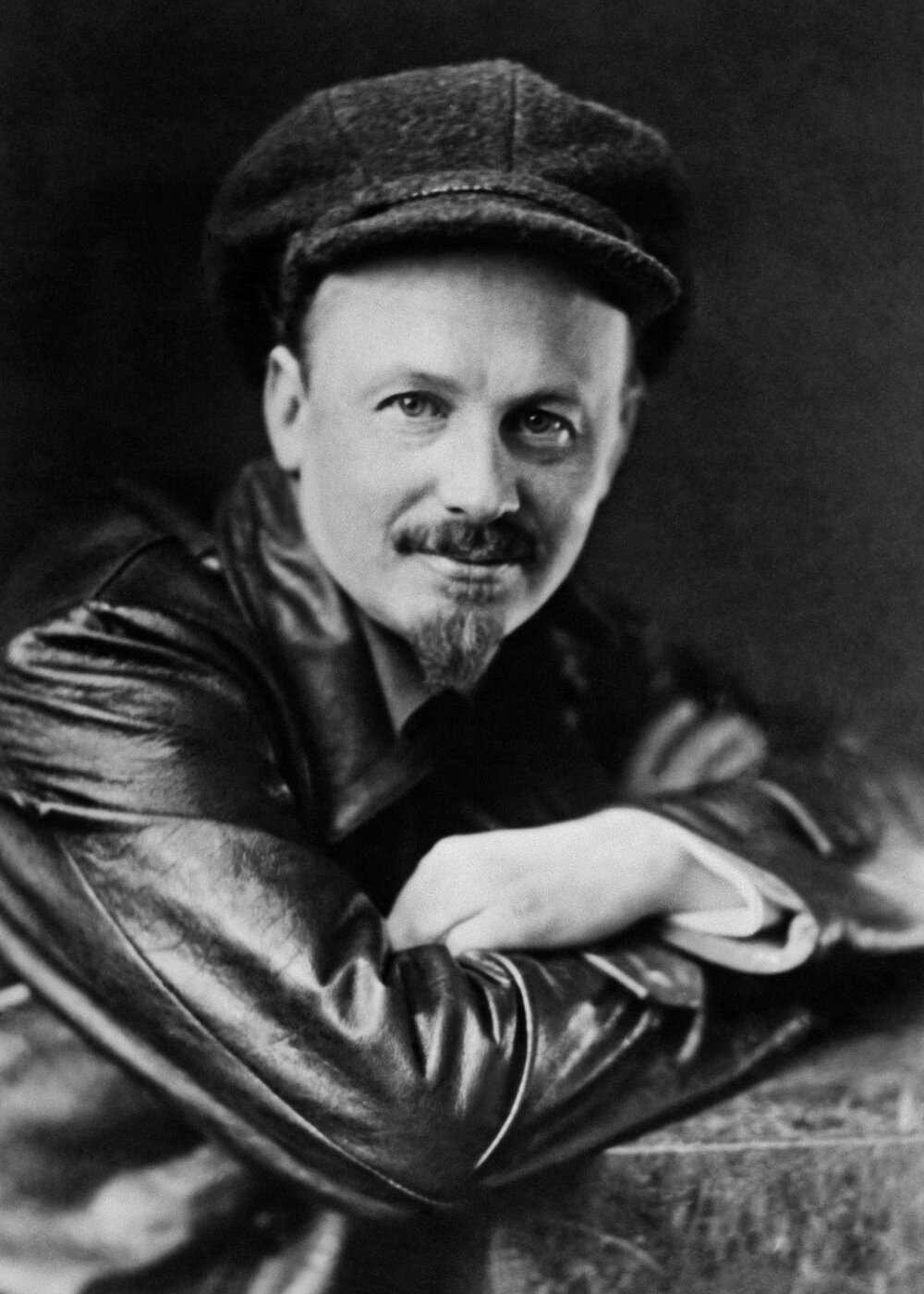
Stephen F. Cohen’s Bukharin and the Bolshevik Revolution offers a nuanced portrait of Nikolai Bukharin, portraying him as a significant Bolshevik strategist rather than merely a foil to Stalin. The book examines Bukharin’s theories and policy proposals amidst Soviet internal struggles, highlighting critiques of the NEP and the importance of peasant alliances, while acknowledging its…
-

Lenin’s “Testament” warned against Stalin, advocating his removal as General Secretary, yet it was suppressed by Stalin and allies like Zinoviev and Kamenev. Disunity among Lenin’s potential successors, internal divisions, and Stalin’s control over party machinery enabled him to consolidate power, ultimately silencing his rivals and becoming the Soviet leader.
-
Lenin’s “Testament” warned against Stalin, advocating his removal as General Secretary, yet it was suppressed by Stalin and allies like Zinoviev and Kamenev. Disunity among Lenin’s potential successors, internal divisions, and Stalin’s control over party machinery enabled him to consolidate power, ultimately silencing his rivals and becoming the Soviet leader.

