-
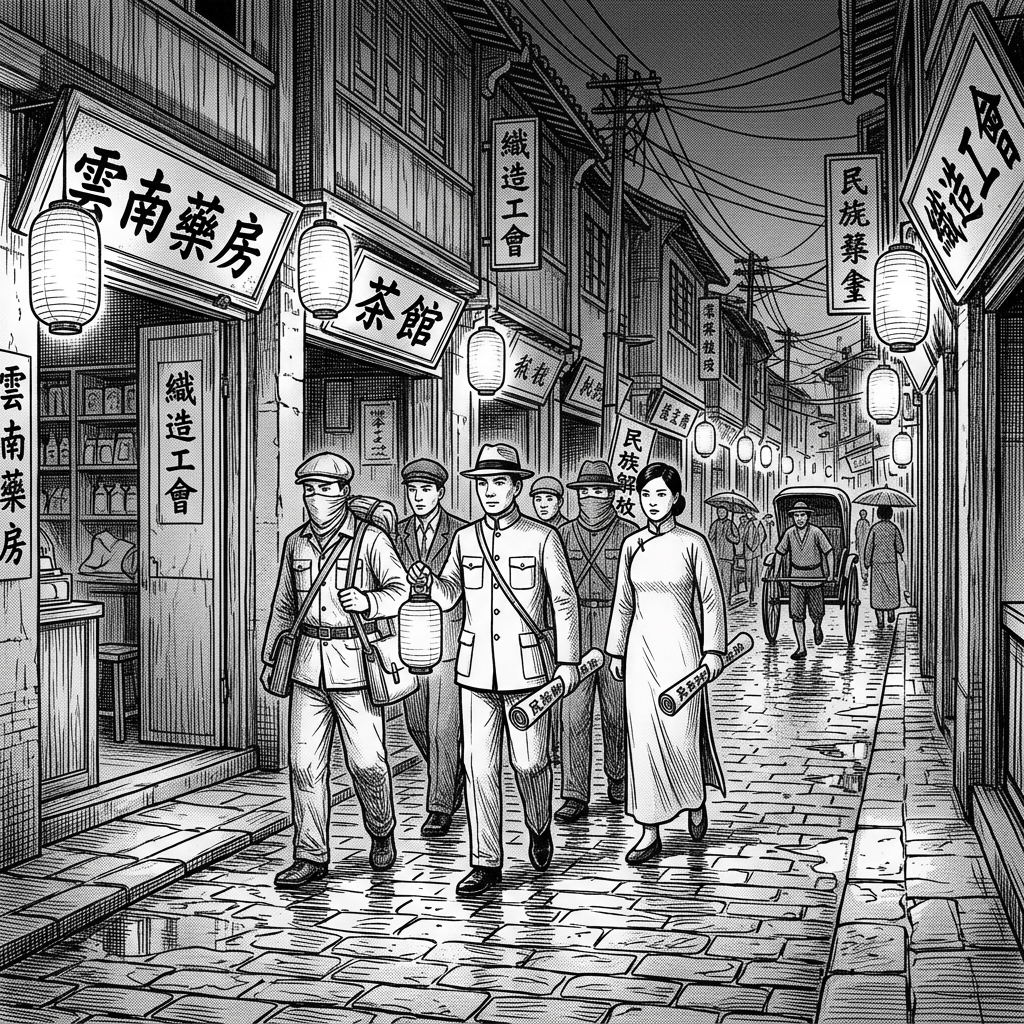
André Malraux’s “Man’s Fate” intertwines revolutionary politics and existential philosophy, depicting the 1927 Shanghai Communist uprising. Through diverse characters, it explores human freedom, mortality, and the creation of meaning amid suffering. The novel critiques political idealism while emphasizing individual agency and moral dilemmas, remaining relevant nearly a century later.
-
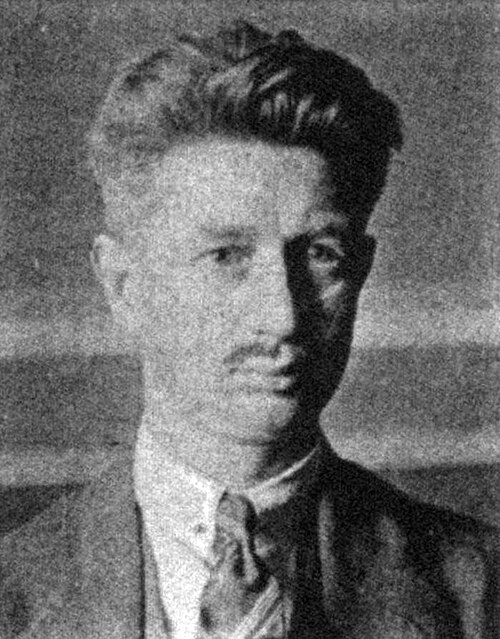
Hugo Urbahns (1890-1946) was a notable figure in the German revolutionary movement during the Weimar Republic, contributing significantly to anti-Stalinist currents within communism. His political journey from the KPD to leading the Leninbund illustrates the ideological conflicts in the left and highlights his commitment to revolutionary socialism amid rising fascism and Stalinist bureaucracy.
-
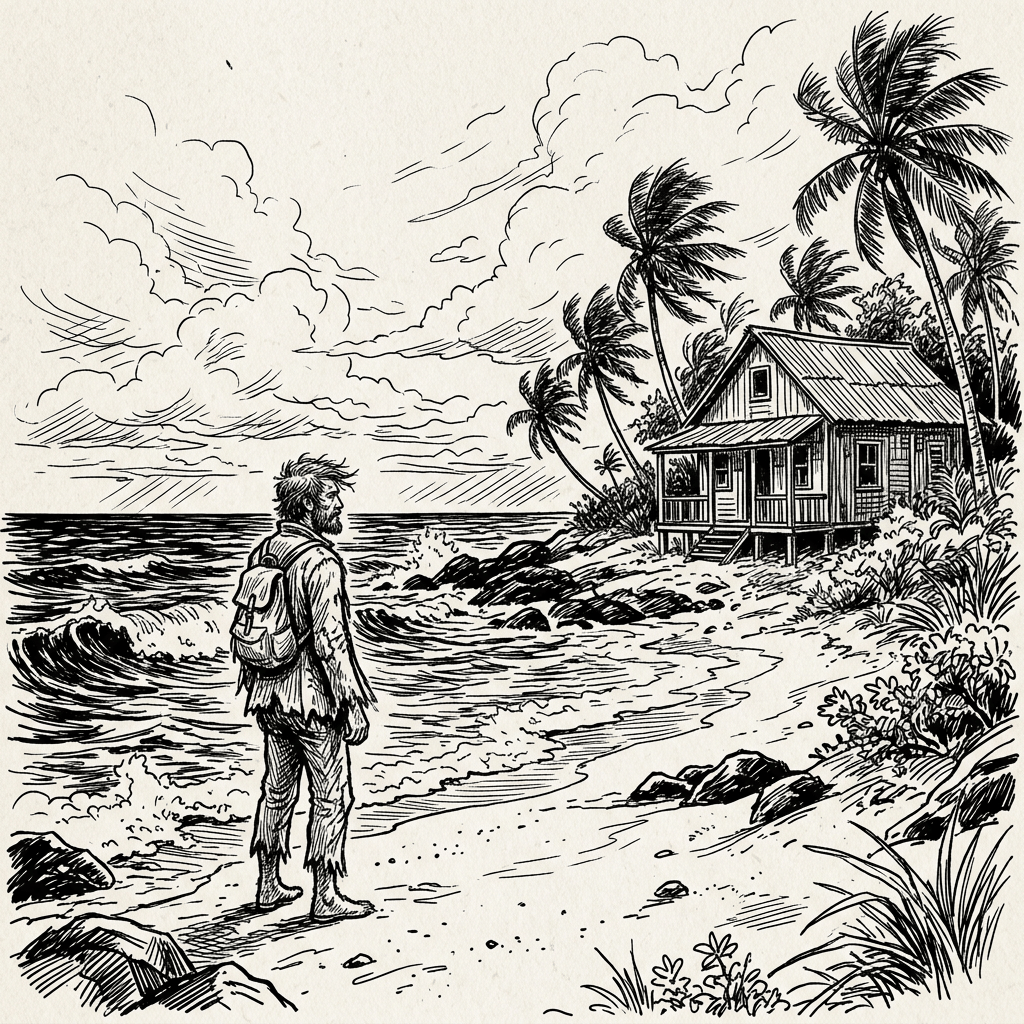
Leonardo Padura’s The Man Who Loved Dogs examines the intertwined lives of Leon Trotsky, his assassin Ramón Mercader, and Cuban writer Iván Cárdenas. The novel critiques political ideology, exploring moral dilemmas amid historical tragedy. Through rich detail and emotional depth, it highlights the human costs of totalitarianism while connecting personal and global histories.
-
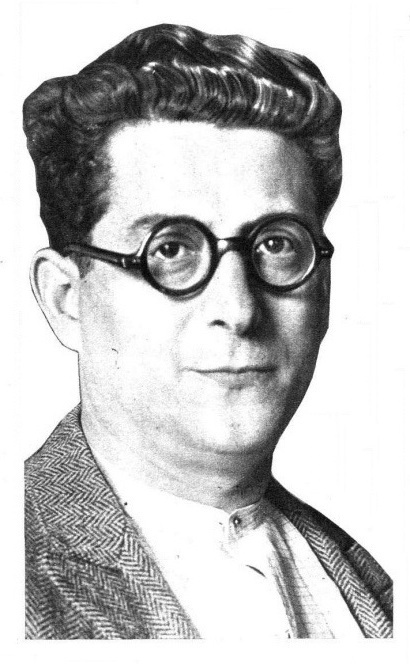
Andreu Nin (1892–1937) was a Catalan Marxist revolutionary whose life embodied the ideological struggles of the twentieth century left. A former Communist leader and anti-Stalinist critic, he helped found the POUM during the Spanish Civil War before being arrested, tortured, and murdered by Soviet agents in 1937.
-
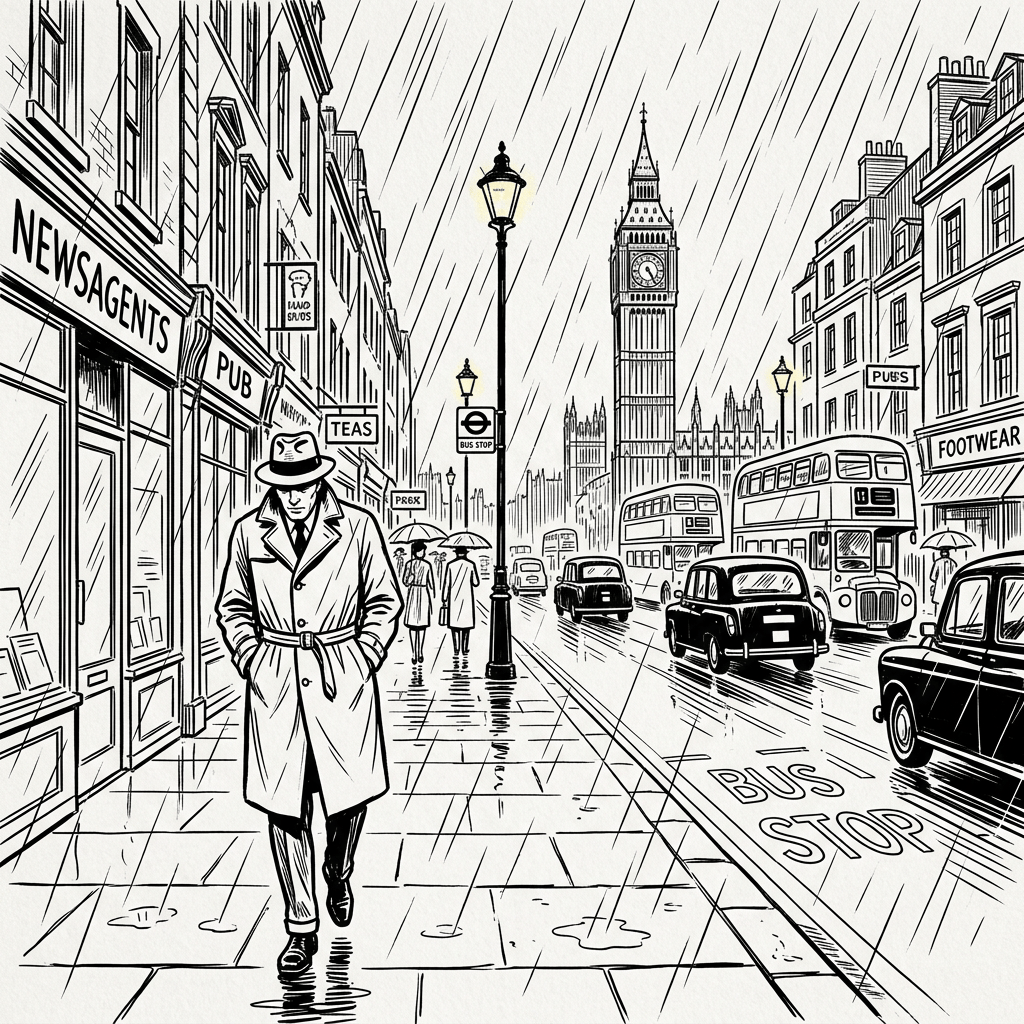
Len Deighton’s The IPCRESS File reshapes Cold War espionage fiction by portraying intelligence work as bureaucratic and morally ambiguous, contrasting with the glamor of James Bond. The unnamed working-class narrator embodies social resentment and institutional disillusionment, offering a critical view of postwar Britain and exploring themes of power, manipulation, and alienation.
-
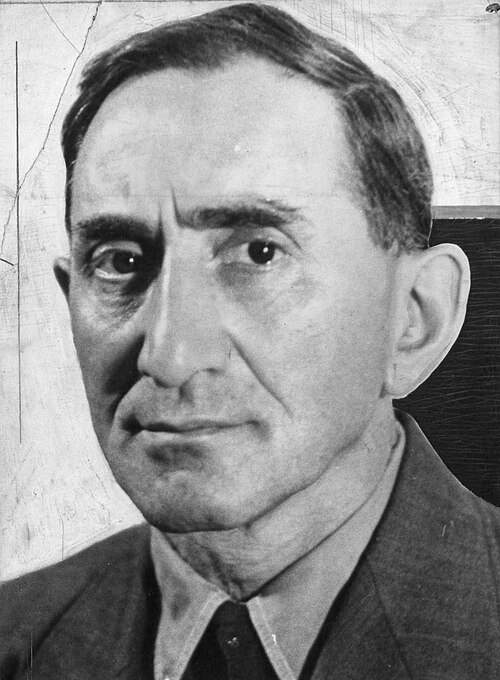
Israel Amter was a significant yet often overlooked figure in the American communist movement, known for his dedicated labor organizing and Marxist theory. Born in 1881, he engaged in radical politics following the Russian Revolution, actively contributing during the Great Depression and aligning with the Communist Party USA. His life reflects the complexities of American…
-

In “Reformism or Revolution,” Alan Woods defends revolutionary Marxism against social democracy and class collaboration, arguing that capitalism cannot be reformed peacefully. He emphasizes the historical failures of reformist movements during crises, asserting that reforms are unstable and only valuable if they bolster class consciousness for revolutionary action. Woods re-centers state power in Marxist analysis,…
-
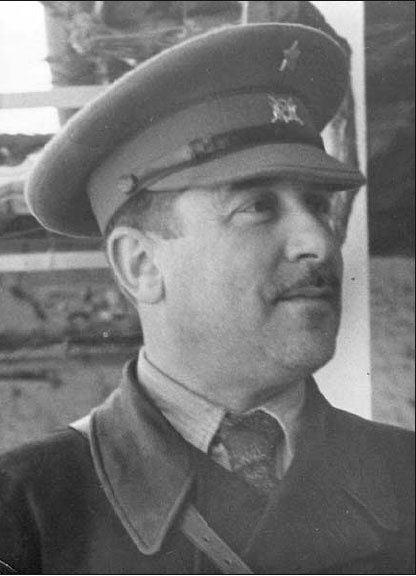
Máté Zalka, born Béla Frankl, was a pivotal figure in revolutionary socialism and anti-fascism, known for his role in the Spanish Civil War as “General Lukács.” His life exemplifies the intersection of military experience and political ideology within interwar radicalism, showcasing the influence of total war and revolution on personal and collective identity.
-

Robert A. Caro’s The Power Broker examines the life of Robert Moses and the nature of power in twentieth century America. Through extensive research, Caro reveals Moses’s manipulation of bureaucratic structures to evade democracy while perpetuating class and racial inequalities in urban development. The book raises critical questions about institutional authority and democratic accountability.
-
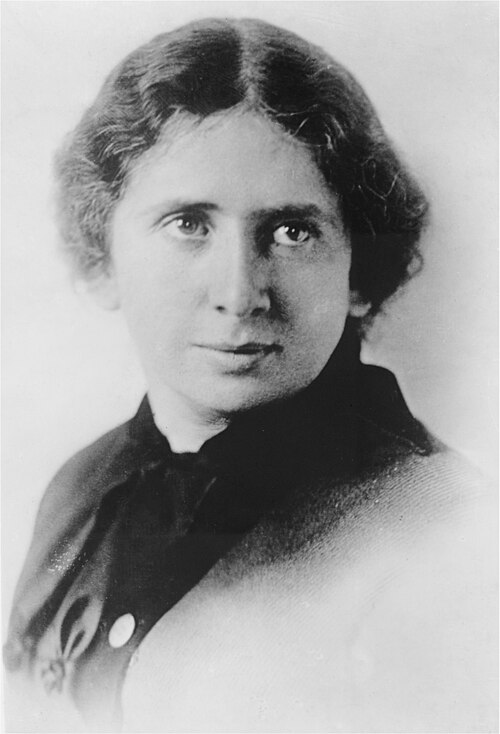
Rose Schneiderman was a pivotal labor organizer and feminist during the twentieth century, advocating for working women’s rights, particularly in the garment industry. Her activism merged socialism, unionism, and feminism, focusing on workplace safety and equal pay. Schneiderman’s enduring legacy includes significant contributions to labor reform and the political empowerment of women.
-
Subscribe
Subscribed
Have a WordPress.com account? Log in now.

