USA
-

Robert A. Caro’s The Power Broker examines the life of Robert Moses and the nature of power in twentieth century America. Through extensive research, Caro reveals Moses’s manipulation of bureaucratic structures to evade democracy while perpetuating class and racial inequalities in urban development. The book raises critical questions about institutional authority and democratic accountability.
-
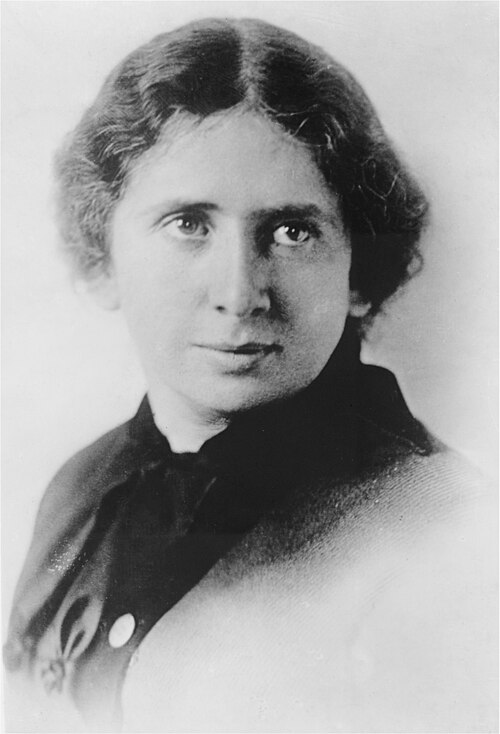
Rose Schneiderman was a pivotal labor organizer and feminist during the twentieth century, advocating for working women’s rights, particularly in the garment industry. Her activism merged socialism, unionism, and feminism, focusing on workplace safety and equal pay. Schneiderman’s enduring legacy includes significant contributions to labor reform and the political empowerment of women.
-
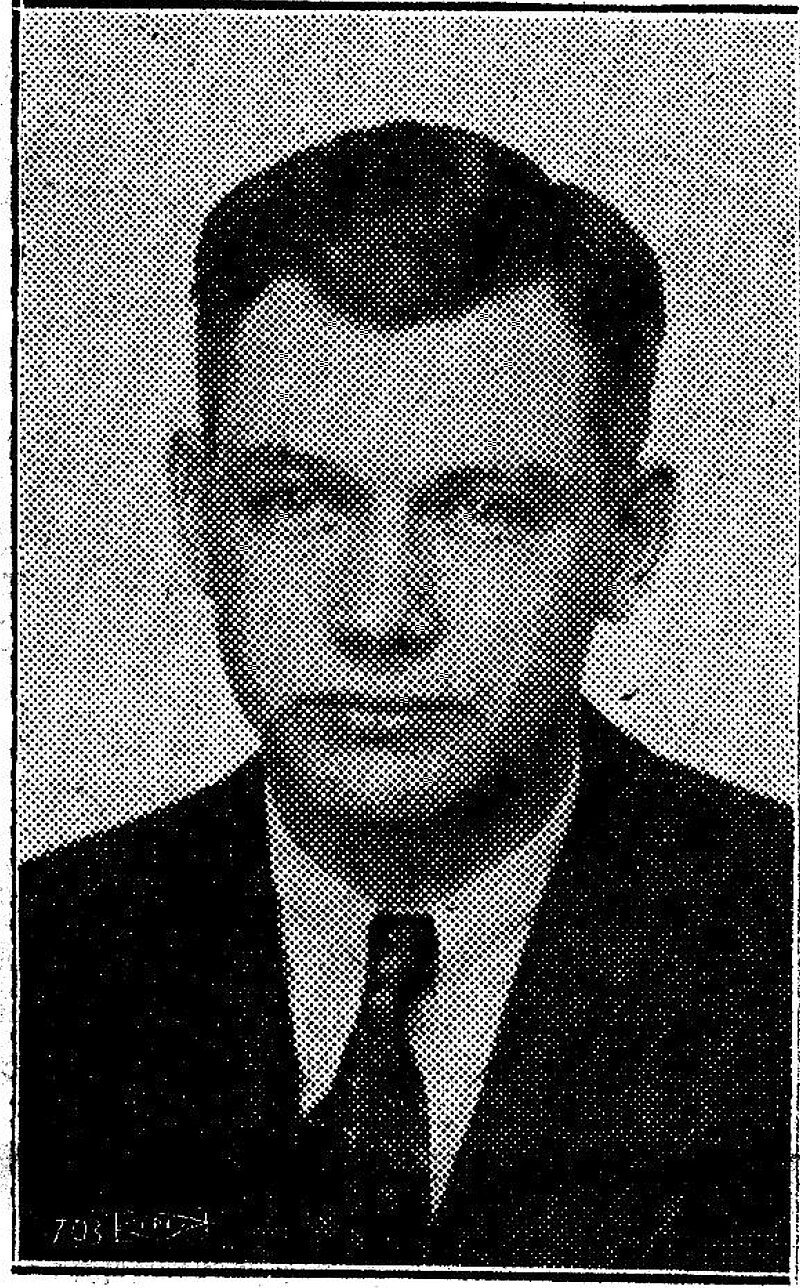
George Novack’s “Understanding History: Marxist Essays” provides an accessible introduction to historical materialism, emphasizing the role of material conditions in social development. While defending Marxist historiography against alternative perspectives, Novack critiques positivism and idealism. Despite its clarity, the text may lack nuance in addressing cultural complexities. It serves both as an educational tool and a…
-
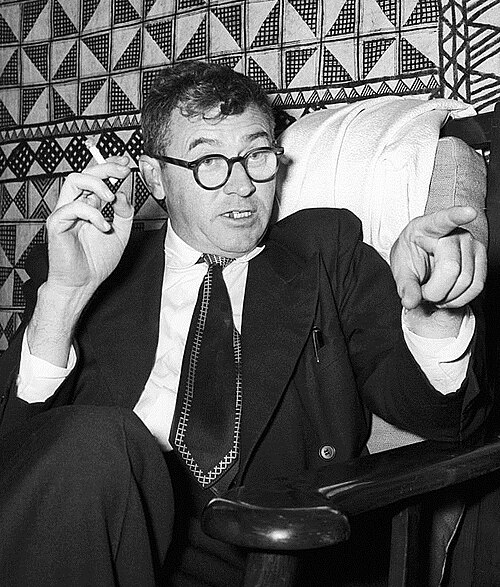
James Thomas Farrell, born in Chicago in 1904, is a pivotal figure in 20th-century American literature, known for his naturalistic portrayal of urban life, especially within Irish American communities. His notable works include the Studs Lonigan trilogy, emphasizing the impact of social constraints on individual aspirations. Farrell’s commitment to realism reveals the intricate relationship between…
-
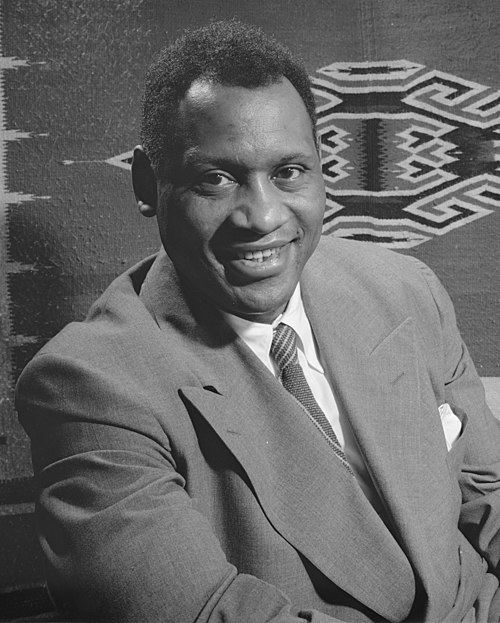
Paul Robeson (1898-1976) was a multifaceted figure who seamlessly integrated culture, law, and politics while critiquing racial capitalism and imperialism. A gifted performer and activist, he used his art as a tool for social justice and global anti-fascism, influencing civil rights movements and challenging systemic racism throughout his life.
-

Angela Davis, born in 1944, is a prominent intellectual and activist known for her contributions to philosophy, political theory, feminist studies, and prison abolition. Her activism, marked by her involvement with the Communist Party and the Black Panther Party, highlights systemic oppression. Davis’s influential writings promote prison abolition and intersectionality, solidifying her legacy in contemporary…
-
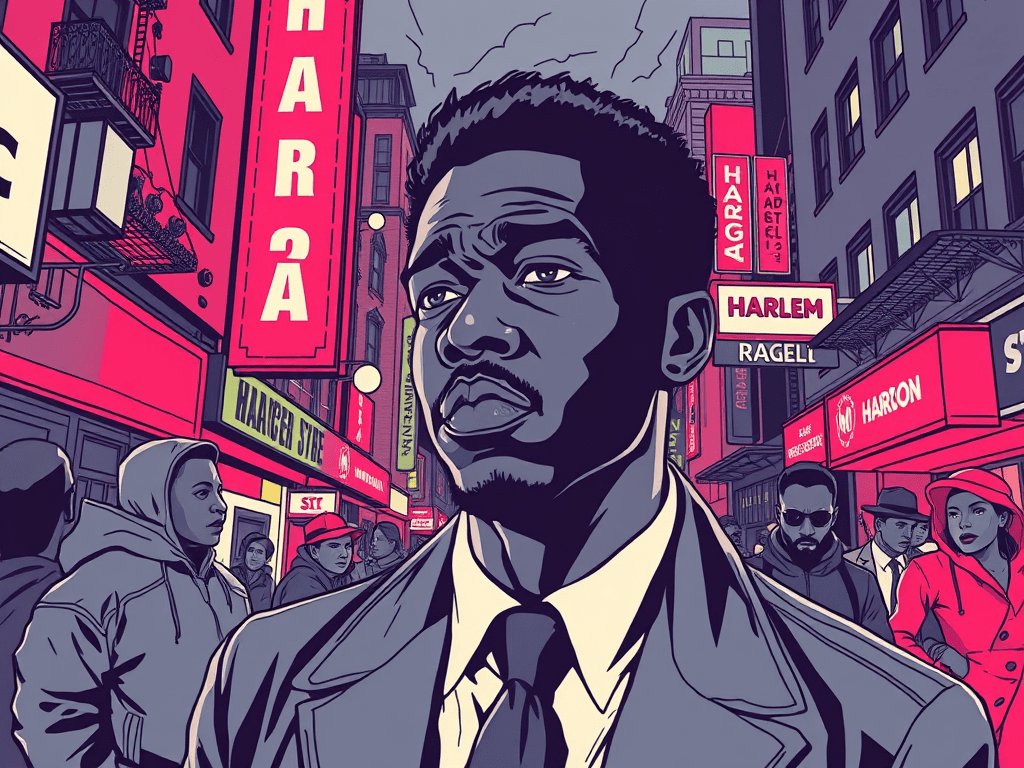
Cotton Comes to Harlem critiques racial capitalism, revealing how Black aspirations are commodified and exploited. Himes employs the detective genre to showcase the permanence of social contradictions linked to exploitation. Through a chaotic narrative, the novel emphasizes that change requires transforming economic systems rather than relying on superficial reforms.
-
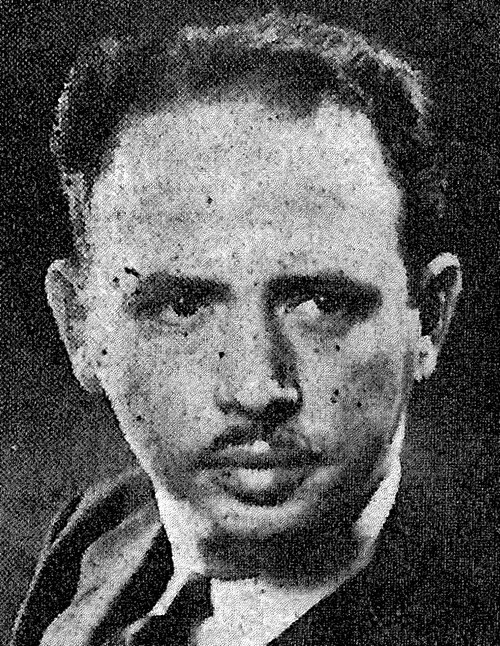
Max Shachtman (1904–1972) was a pivotal figure in U.S. Marxism, influencing movements from Trotskyism to democratic socialism. He founded the Workers Party, promoting “bureaucratic collectivism” and the “Third Camp” concept during WWII. His later shift towards social democracy and labor liberalism sparked debate about his legacy and impact on the American left.
-
Chester Himes’s The Crazy Kill presents Harlem not merely as a setting but as a politically charged environment shaped by exploitation and violence rooted in racial capitalism. The novel critiques traditional detective fiction by revealing systemic issues rather than restoring order, portraying violence as a product of societal constraints and illustrating the complexities of policing…
-
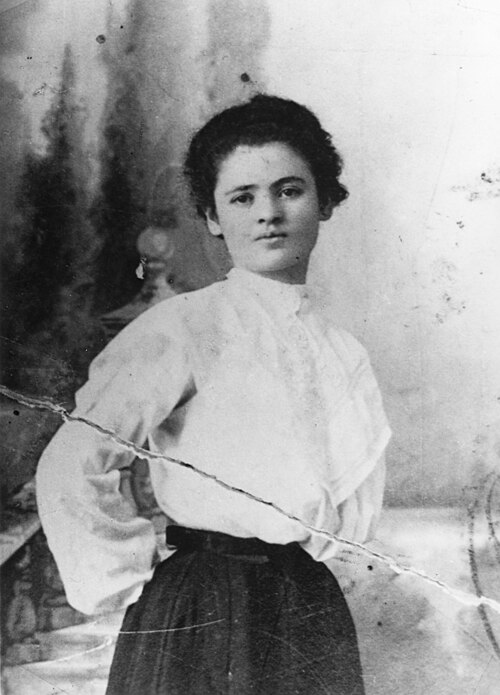
Clara Lemlich (1886–1982) was a Jewish immigrant garment worker whose militant socialism and feminist labor activism helped ignite the 1909 “Uprising of the 20,000.” A rank-and-file organizer, she fused workplace struggle, women’s emancipation, and community activism into a lifelong commitment to working-class power.

