Socialist Hall of Fame
-
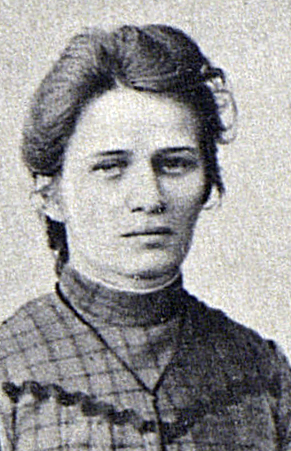
Lyubov Nikolaevna Radchenko’s contributions to the Russian revolutionary movement exemplify the essential yet often overlooked roles of women activists. While overshadowed by prominent figures, her work as an underground organizer highlights the critical organization and education within the Bolshevik context. Radchenko’s story reveals the vital labor behind major revolutionary transformations.
-
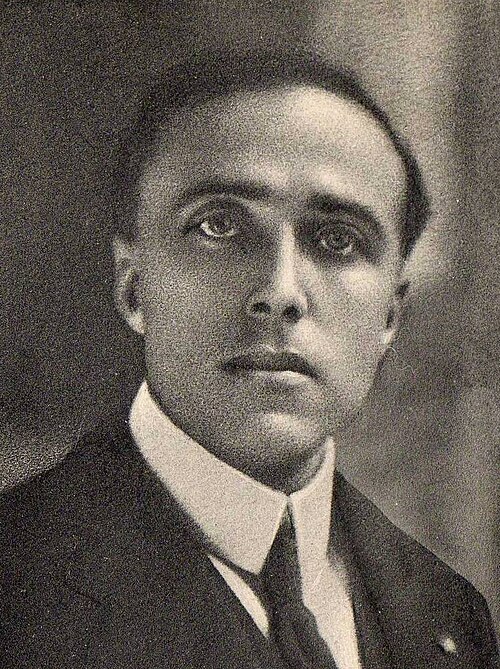
Giacomo Matteotti, a prominent reformist socialist and critic of Mussolini, became a symbol of anti-fascist resistance after his assassination in 1924. His commitment to parliamentary democracy and opposition to fascism marked him as a key political figure in Italy. Matteotti’s legacy endures as a moral champion for democracy amidst authoritarianism.
-
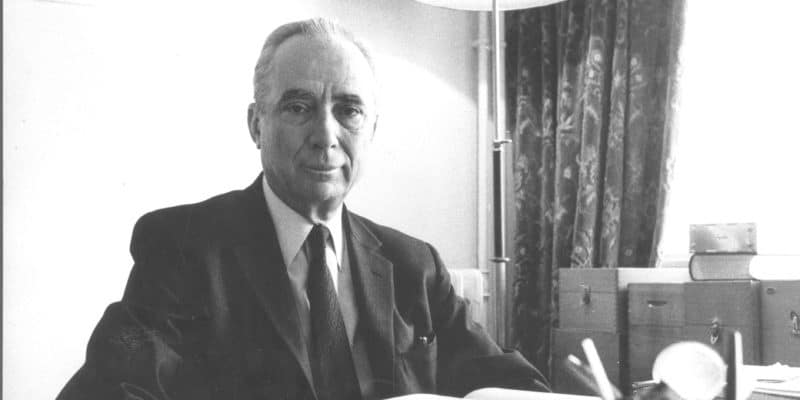
Arghiri Emmanuel (1911–2001) was a Greek political economist known for his theory of unequal exchange, which challenged traditional Marxist views on international trade and exploitation. He highlighted wage differentials as key drivers of global inequality, influencing debates on imperialism and globalization, while provoking controversy and critical discourse within Marxist circles.
-
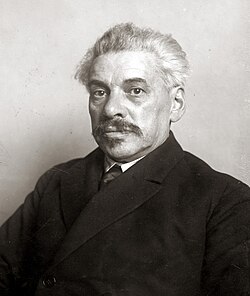
Adolf Warski was a significant figure in early twentieth-century socialism, rooted in Polish Marxism and aligned with internationalist movements. Though he became a leading member of the Communist Workers’ Party of Poland post-1917, his loyalty was tested under Stalin’s regime, leading to his execution during the Great Purges. His life illustrates the complexities of revolutionary…
-
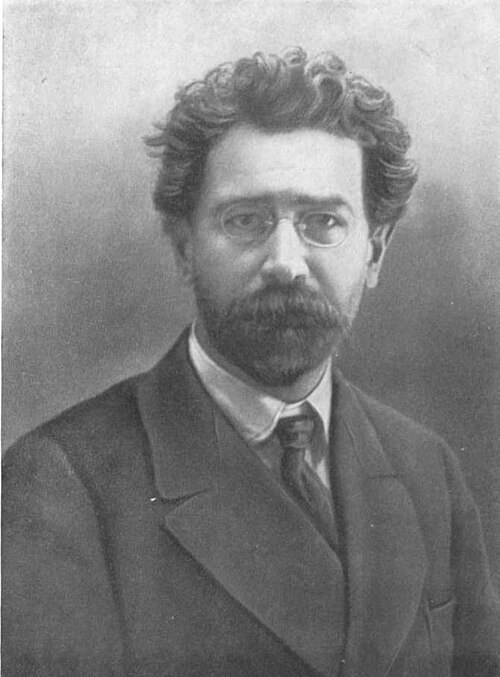
Viktor Pavlovich Nogin, a notable Bolshevik, advocated for socialist coalition during the Russian Revolution, opposing one-party rule. His working-class roots and experiences shaped his political stance, emphasizing collaboration among socialists. Though marginalized post-revolution, Nogin’s legacy highlights internal conflicts within early Soviet politics and the broader dynamics of revolutionary change.
-
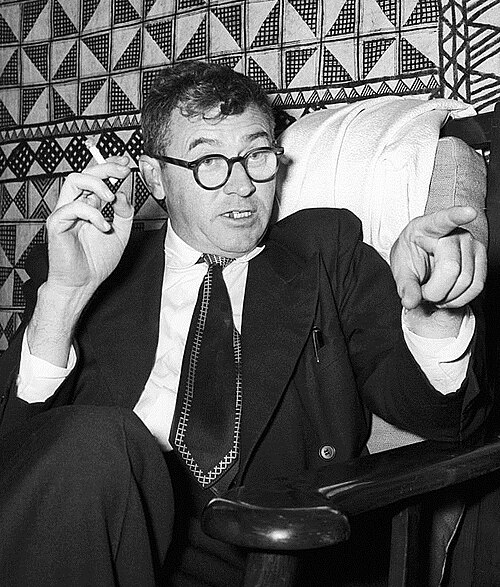
James Thomas Farrell, born in Chicago in 1904, is a pivotal figure in 20th-century American literature, known for his naturalistic portrayal of urban life, especially within Irish American communities. His notable works include the Studs Lonigan trilogy, emphasizing the impact of social constraints on individual aspirations. Farrell’s commitment to realism reveals the intricate relationship between…
-
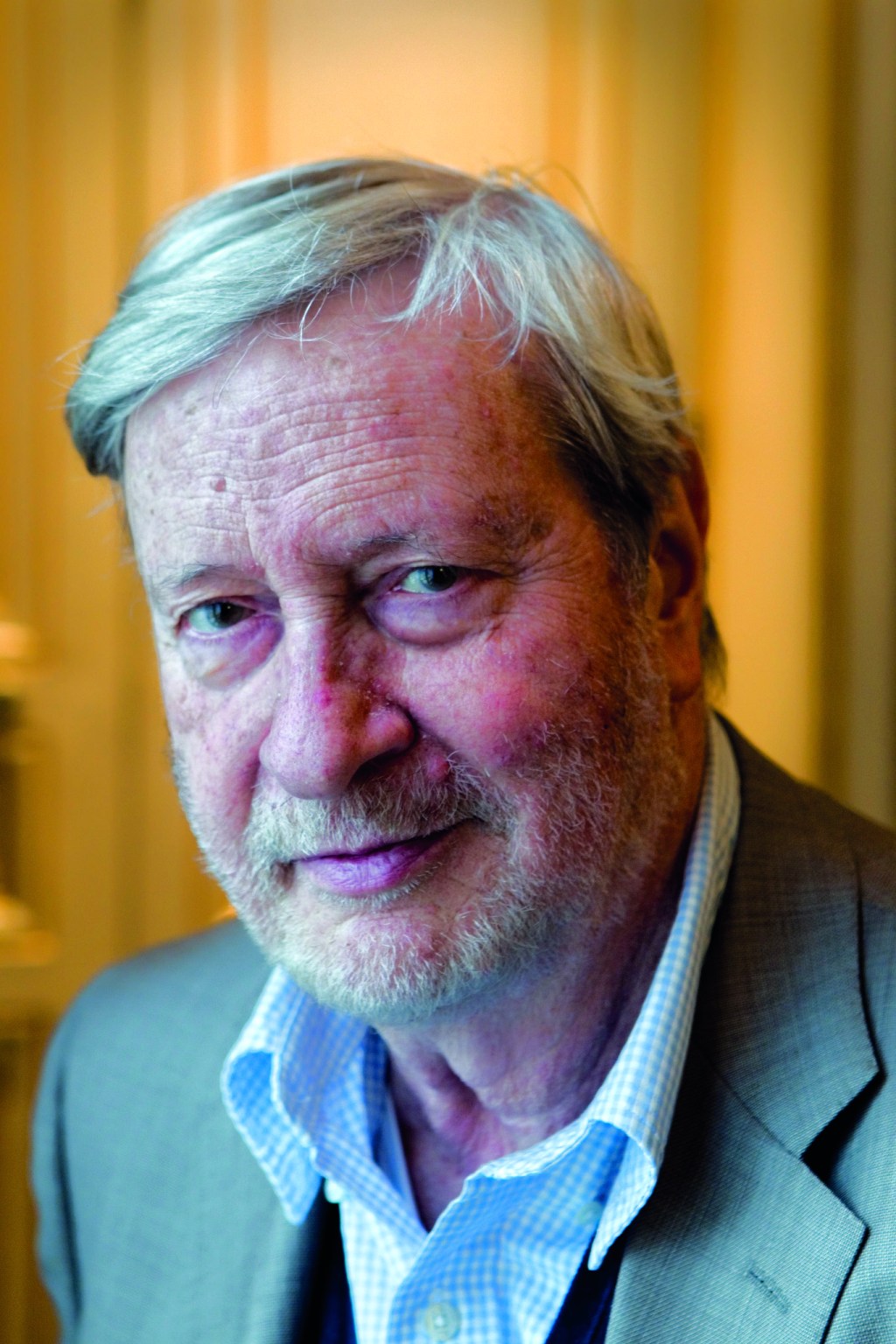
Gianni Vattimo (1936–2023) was a prominent Italian philosopher known for his concept of “weak thought,” which reinterprets continental philosophy amid nihilism and secularization. His philosophy integrates hermeneutics and Christianity, emphasizing ethical interpretations over dogma. A political figure, he advocated for social justice, leaving a lasting impact on postmodern philosophical discourse.
-
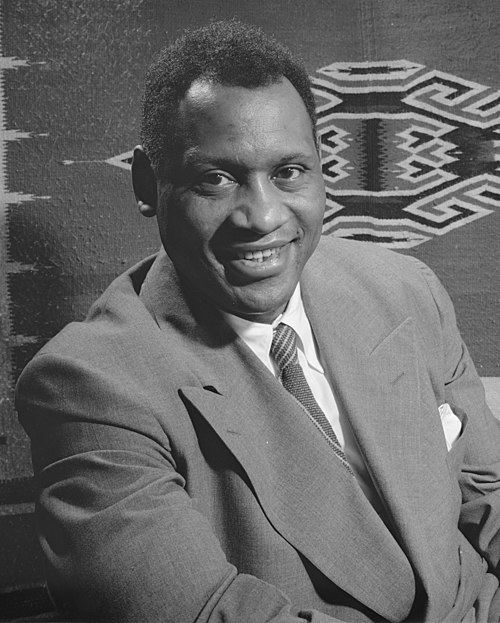
Paul Robeson (1898-1976) was a multifaceted figure who seamlessly integrated culture, law, and politics while critiquing racial capitalism and imperialism. A gifted performer and activist, he used his art as a tool for social justice and global anti-fascism, influencing civil rights movements and challenging systemic racism throughout his life.
-

Julius Fučík (1903–1943) was a prominent communist intellectual and anti-fascist martyr whose writings, particularly “Notes from the Gallows,” symbolize resistance against oppression. His early involvement in leftist circles shaped his literary approach. Posthumously, his legacy remains debated, reflecting complexities of ideology and political narrative in Central Europe.
-

Angela Davis, born in 1944, is a prominent intellectual and activist known for her contributions to philosophy, political theory, feminist studies, and prison abolition. Her activism, marked by her involvement with the Communist Party and the Black Panther Party, highlights systemic oppression. Davis’s influential writings promote prison abolition and intersectionality, solidifying her legacy in contemporary…

