Marxism
-

Friedrich Engels’s “Ludwig Feuerbach and the End of Classical German Philosophy” critically analyzes German philosophy’s evolution, advocating for a Marxist synthesis of Hegel’s dialectical method and Feuerbach’s materialism. Engels argues for dialectics as a transformative method, highlighting implications for socialist theory and its relevance in contemporary philosophical discussions on materialism and praxis.
-
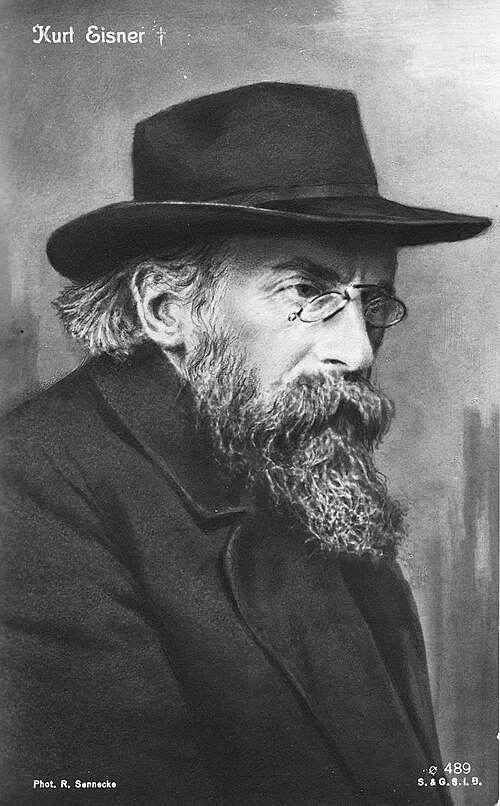
Kurt Eisner was a German socialist revolutionary and journalist, central to the Bavarian Revolution of 1918. He advocated for ethical socialism emphasizing moral agency and democracy. Eisner’s tenure as Minister-President was brief and ended with his assassination, but his ideas influenced German socialism and debates on democracy and ethics significantly.
-
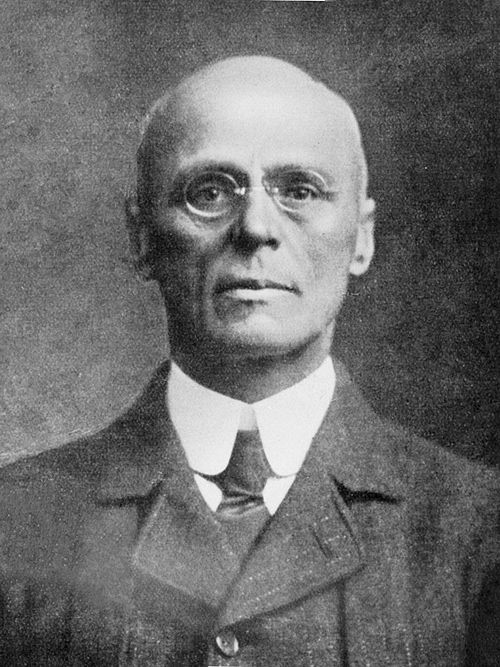
Herman Gorter, a pivotal figure in Dutch literary modernism and Marxist theory, began as an aesthetic poet with “Mei” before transitioning to revolutionary socialism. His critique of Bolshevik tactics and advocacy for mass workers’ councils influenced council communism. Gorter’s legacy intertwines art and politics, emphasizing beauty, freedom, and collective solidarity.
-
Felix Morrow was a significant figure in twentieth-century American Marxism, known for his critical stance on Stalinism and Trotskyism. His influential work, “Revolution and Counter-Revolution in Spain,” analyzed the Spanish Civil War, attributing its failure to Stalinist policies. Morrow later reassessed Marxism, emphasizing the importance of social forces over rigid ideological frameworks.
-
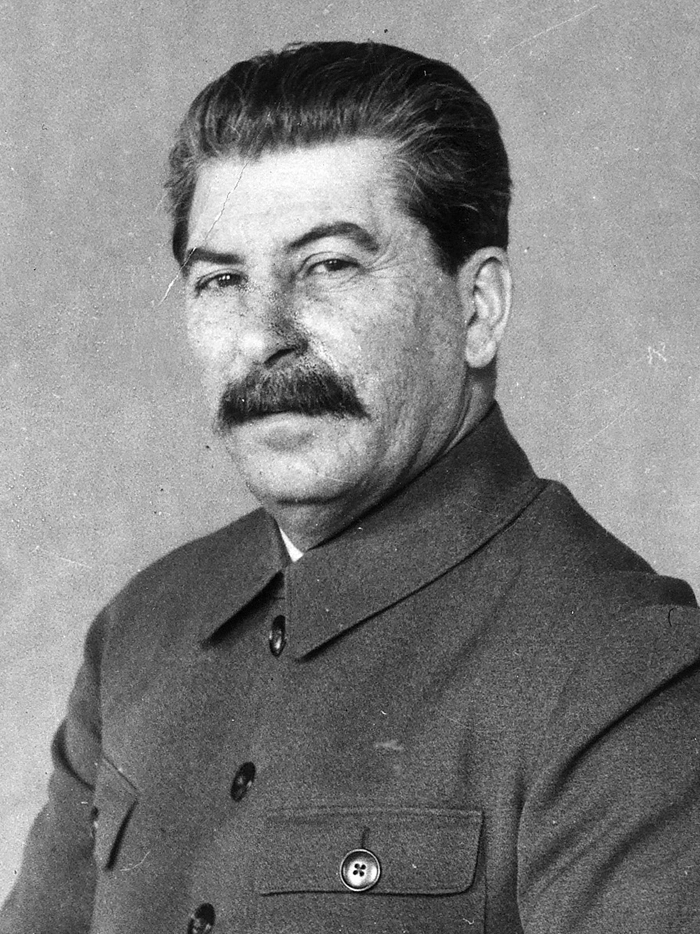
Joseph Stalin’s Dialectical Materialism (1938) serves as a pivotal yet constrictive text in Marxist philosophy, transforming dialectics into an official doctrine aligned with state orthodoxy. By stripping contradictions of their dynamism and reducing philosophy to rigid axioms, it undermines Marx’s historical materialism, ultimately serving political authority over critical inquiry.
-
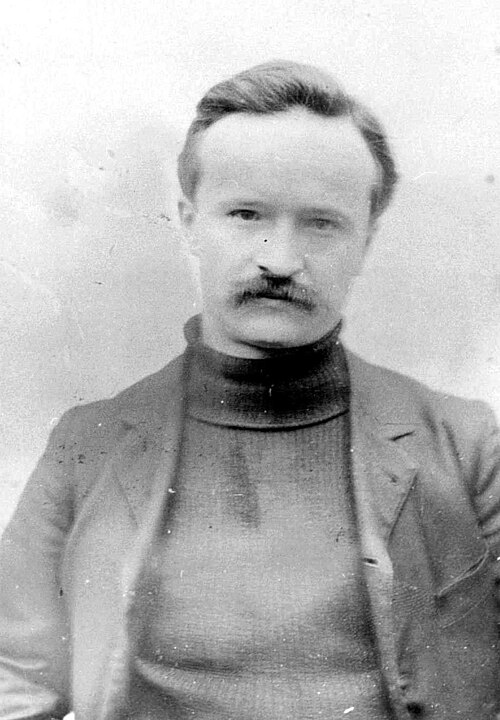
Pierre Monatte was a significant figure in the French labor movement, advocating revolutionary syndicalism and worker autonomy. A co-founder of the French Communist Party, he later criticized its authoritarianism. Monatte emphasized ethical clarity, internationalism, and the necessity of workers’ self-emancipation, leaving a lasting impact on independent Marxist thought.
-
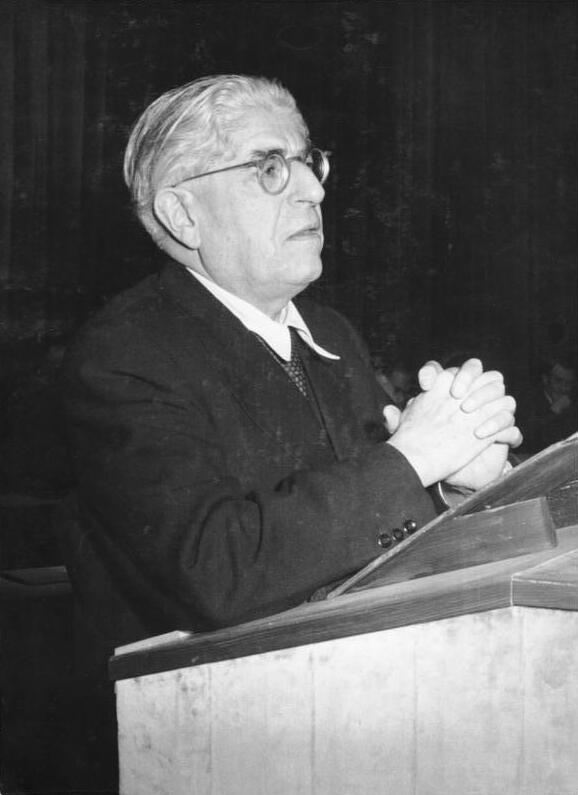
Ernst Bloch was a unique Marxist philosopher known for his focus on utopia and hope. His major work, The Principle of Hope, emphasizes an active engagement with the future, asserting that cultural artifacts embody transformative potential. Despite facing marginalization, his ideas on hope, religion, and emancipation remain relevant in contemporary thought and activism.
-
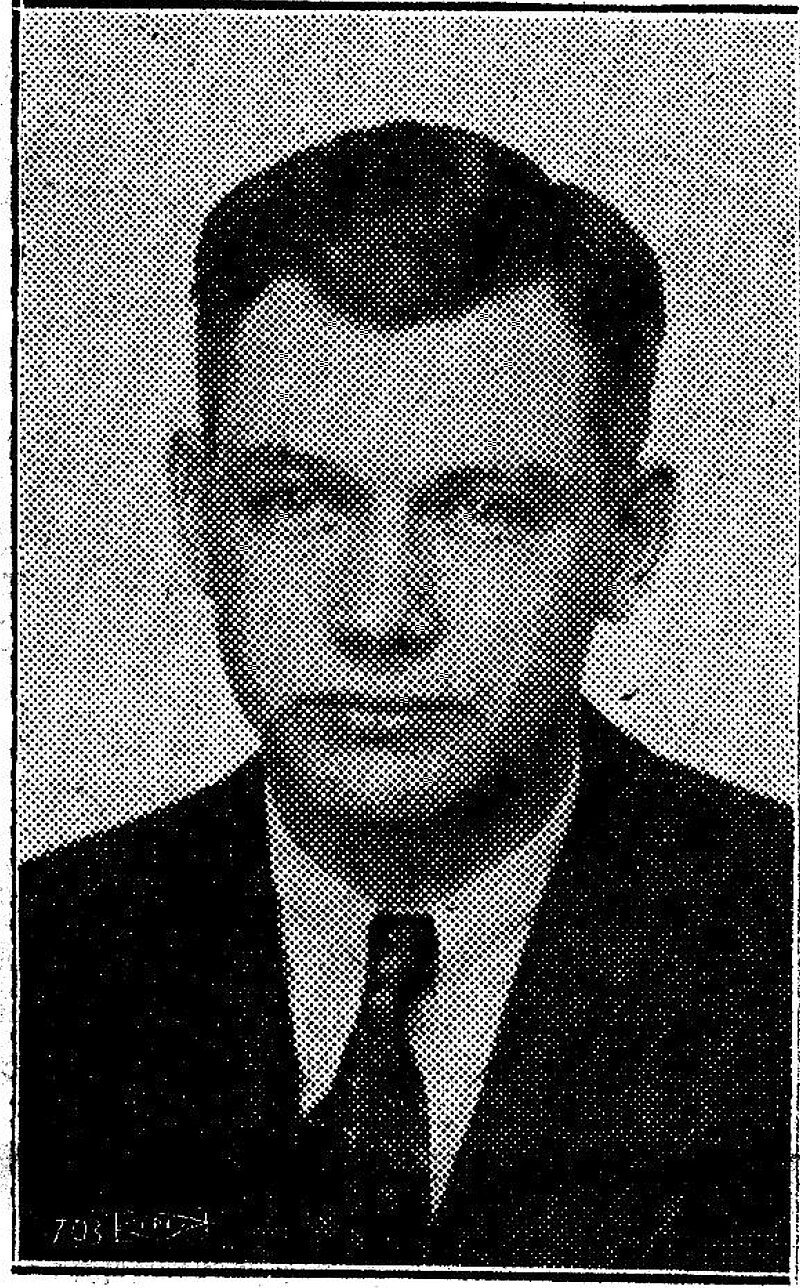
George Novack’s “Democracy & Revolution” critically examines bourgeois democracy, arguing it serves as a form of class rule rather than true political freedom. He emphasizes the necessity of revolutionary democracy and proletarian self-governance, rejecting reformism as inadequate. While offering essential insights into capitalism’s limitations, the text lacks engagement with contemporary issues like race and gender.
-

Karel Kosík was a prominent Czech Marxist philosopher known for his influential work, “Dialectics of the Concrete.” His thought combined Marxism with phenomenology, advocating for a humanist socialism that promoted authentic sociopolitical engagement. Despite political repression after the Prague Spring, his critiques of capitalism and bureaucratic socialism have gained recognition, shaping contemporary Marxist discourse.
-
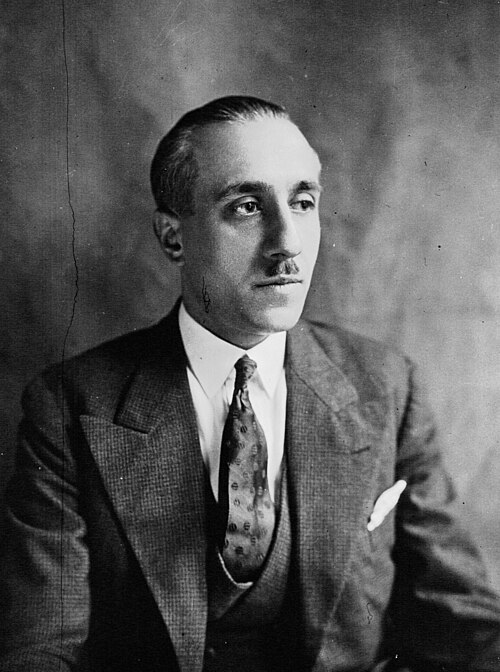
Gabriel Péri wrote as if history were already on fire and no one else could smell the smoke. A communist deputy and journalist, he warned of fascism’s advance before France would listen. Arrested under occupation, he faced execution with quiet resolve, leaving words that outlived the guns that silenced him.
 Letters from Tomis