Marxism
-
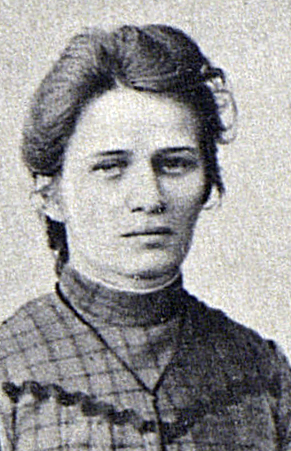
Lyubov Nikolaevna Radchenko’s contributions to the Russian revolutionary movement exemplify the essential yet often overlooked roles of women activists. While overshadowed by prominent figures, her work as an underground organizer highlights the critical organization and education within the Bolshevik context. Radchenko’s story reveals the vital labor behind major revolutionary transformations.
-
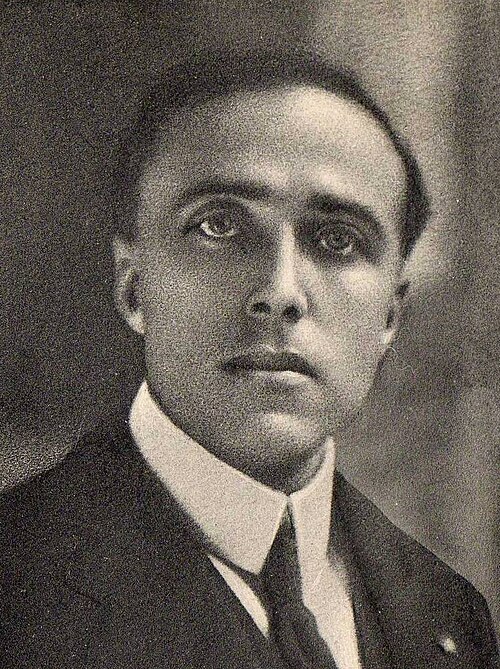
Giacomo Matteotti, a prominent reformist socialist and critic of Mussolini, became a symbol of anti-fascist resistance after his assassination in 1924. His commitment to parliamentary democracy and opposition to fascism marked him as a key political figure in Italy. Matteotti’s legacy endures as a moral champion for democracy amidst authoritarianism.
-

Arghiri Emmanuel (1911–2001) was a Greek political economist known for his theory of unequal exchange, which challenged traditional Marxist views on international trade and exploitation. He highlighted wage differentials as key drivers of global inequality, influencing debates on imperialism and globalization, while provoking controversy and critical discourse within Marxist circles.
-
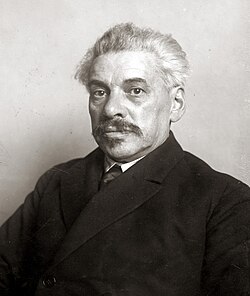
Adolf Warski was a significant figure in early twentieth-century socialism, rooted in Polish Marxism and aligned with internationalist movements. Though he became a leading member of the Communist Workers’ Party of Poland post-1917, his loyalty was tested under Stalin’s regime, leading to his execution during the Great Purges. His life illustrates the complexities of revolutionary…
-
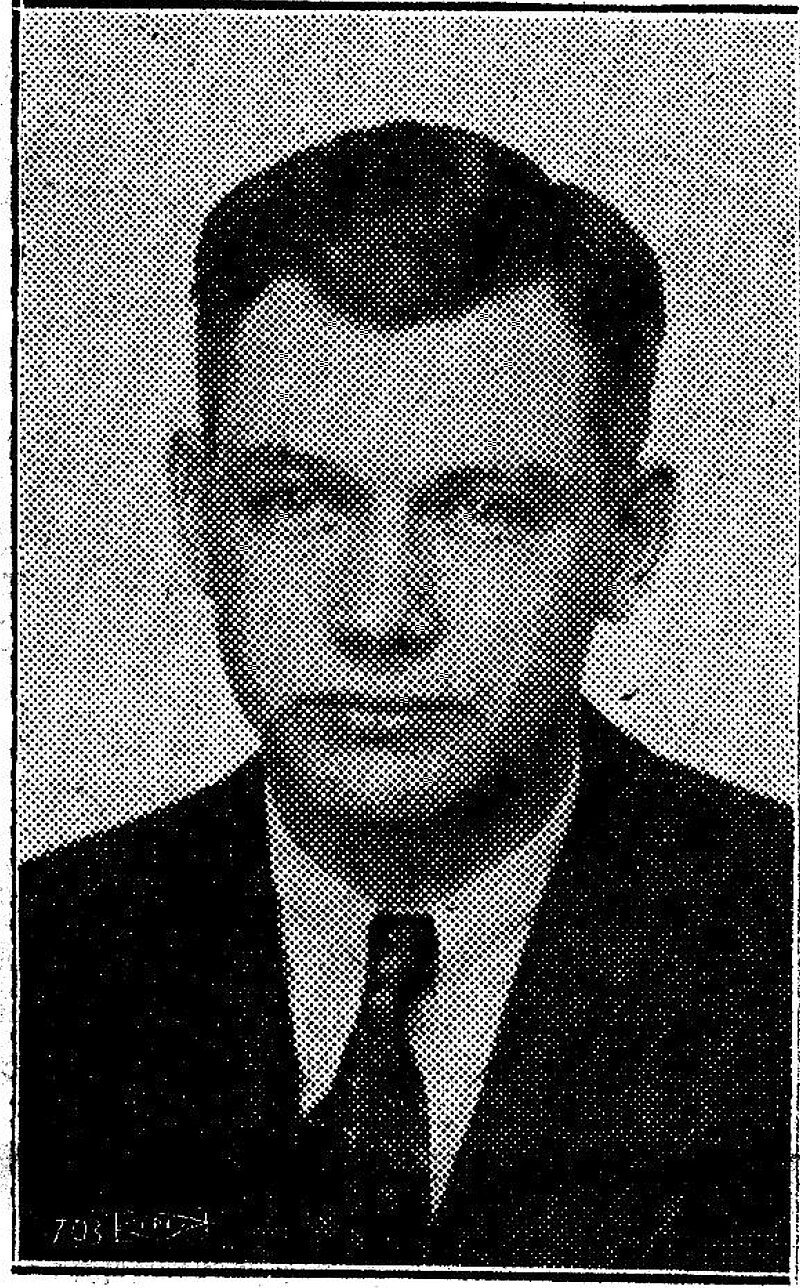
George Novack’s “Understanding History: Marxist Essays” provides an accessible introduction to historical materialism, emphasizing the role of material conditions in social development. While defending Marxist historiography against alternative perspectives, Novack critiques positivism and idealism. Despite its clarity, the text may lack nuance in addressing cultural complexities. It serves both as an educational tool and a…
-
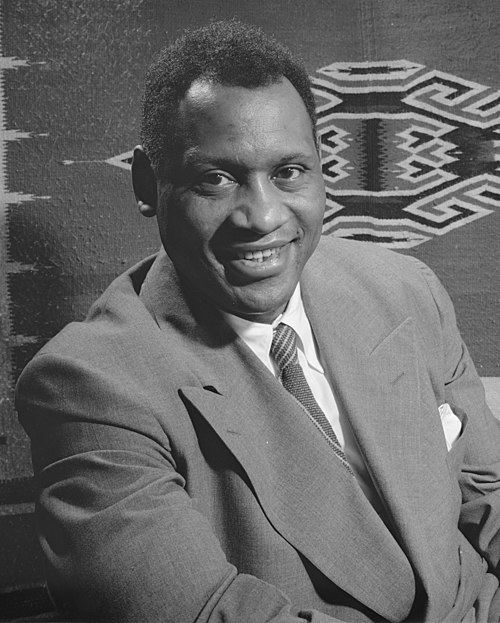
Paul Robeson (1898-1976) was a multifaceted figure who seamlessly integrated culture, law, and politics while critiquing racial capitalism and imperialism. A gifted performer and activist, he used his art as a tool for social justice and global anti-fascism, influencing civil rights movements and challenging systemic racism throughout his life.
-

Rosa Luxemburg’s “The National Question: Selected Writings,” edited by Horace B. Davis, presents a critical Marxist analysis of nationalism, arguing against national self-determination as a solution under capitalism. The collection highlights Luxemburg’s rigorous critique of class dynamics and the limitations of nationalist politics, while remaining influential in contemporary discussions on internationalism and socialist strategy.
-

Angela Davis, born in 1944, is a prominent intellectual and activist known for her contributions to philosophy, political theory, feminist studies, and prison abolition. Her activism, marked by her involvement with the Communist Party and the Black Panther Party, highlights systemic oppression. Davis’s influential writings promote prison abolition and intersectionality, solidifying her legacy in contemporary…
-

Aymeric Monville’s “Neocapitalism According to Michel Clouscard” critiques postwar capitalism through Clouscard’s lens, emphasizing consumption’s role in ideological control. It challenges dominant French thought, positing May 1968 as a counterrevolution. Although persuasive, Monville’s polemical style may oversimplify opposing views and lacks engagement with contemporary data on capitalism’s changes.
-
Michel Clouscard (1928–2009) was a significant Marxist philosopher in late twentieth century France, known for critiquing postwar capitalism as “liberal-libertarian.” His work explored the integration of consumer culture and moral permissiveness, challenging dominant poststructuralist views. Clouscard’s insights remain relevant in contemporary discussions about consumerism and social dynamics.

