-
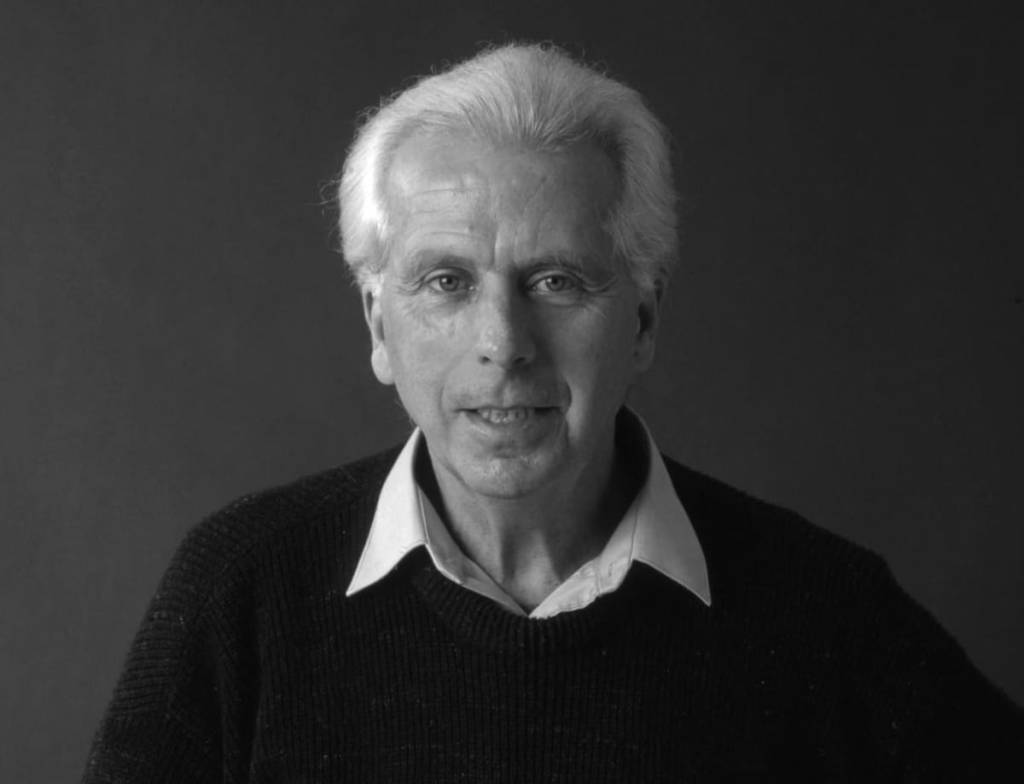
Aymeric Monville’s “Neocapitalism According to Michel Clouscard” critiques postwar capitalism through Clouscard’s lens, emphasizing consumption’s role in ideological control. It challenges dominant French thought, positing May 1968 as a counterrevolution. Although persuasive, Monville’s polemical style may oversimplify opposing views and lacks engagement with contemporary data on capitalism’s changes.
-
Michel Clouscard (1928–2009) was a significant Marxist philosopher in late twentieth century France, known for critiquing postwar capitalism as “liberal-libertarian.” His work explored the integration of consumer culture and moral permissiveness, challenging dominant poststructuralist views. Clouscard’s insights remain relevant in contemporary discussions about consumerism and social dynamics.
-

Ross Macdonald’s “The Chill” is a pivotal work in the Lew Archer series, blending hardboiled detective fiction with psychological depth. The narrative explores familial trauma and inherited guilt, revealing how past betrayals shape present violence. Through Archer’s evolving moral sensitivity, the novel critiques mid-twentieth-century American domestic ideology and highlights the complexities of truth and memory.
-
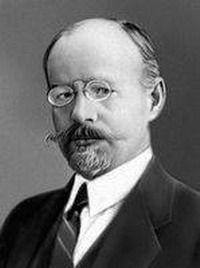
Alexander Shotman, an Old Bolshevik organizer and close associate of Lenin, rose from worker origins to help sustain the revolutionary underground and early Soviet state. Transitioning into administration after 1917, he remained loyal but fell victim to Stalin’s Great Purge in 1937, later rehabilitated as a symbol of Bolshevism’s tragic trajectory.
-

Eleanor Catton’s The Luminaries, a Man Booker Prize winner, is a complex historical novel set in 1860s New Zealand during the gold rush. It intertwines intricate narrative structure with astrological themes to examine colonialism, capitalism, and identity. The novel challenges traditional narrative coherence, exposing the constructed nature of truth and knowledge.
-
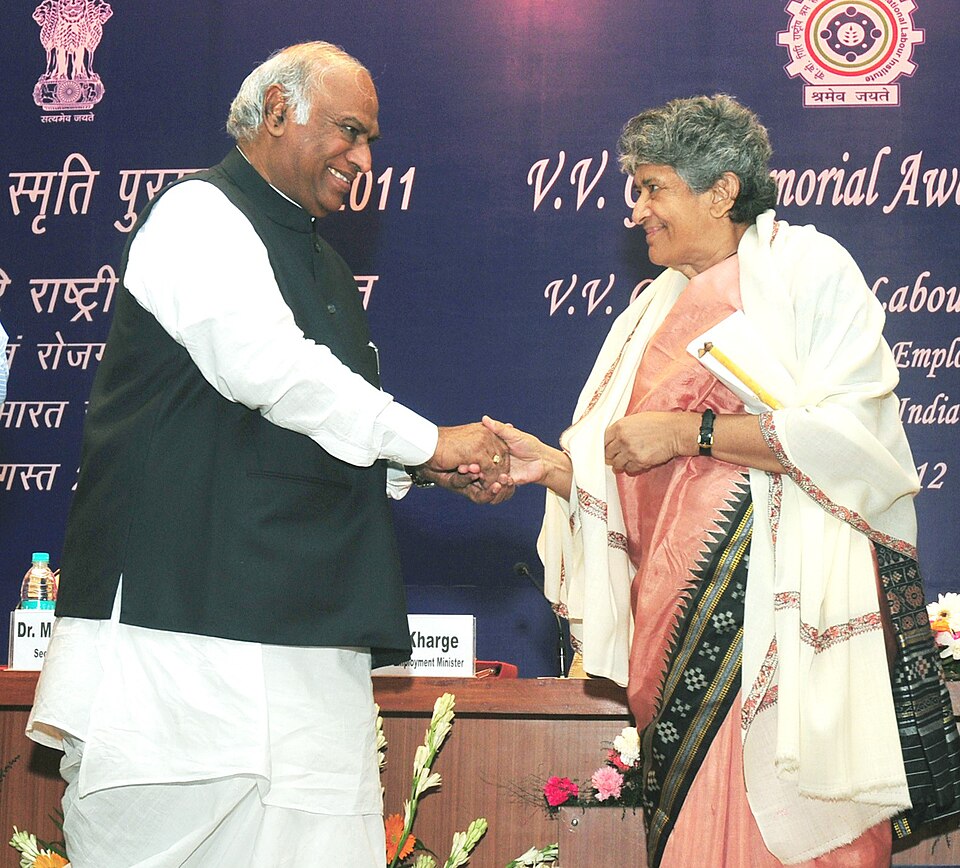
Utsa Patnaik, an influential Indian Marxist economist, has profoundly impacted agrarian studies, colonial political economy, and food security. With a focus on class structures and neoliberal policies, her critique of hunger emphasizes income inequality. Patnaik’s collaborative work on colonialism has reshaped discussions on global inequality, advocating for state intervention in welfare policies.
-
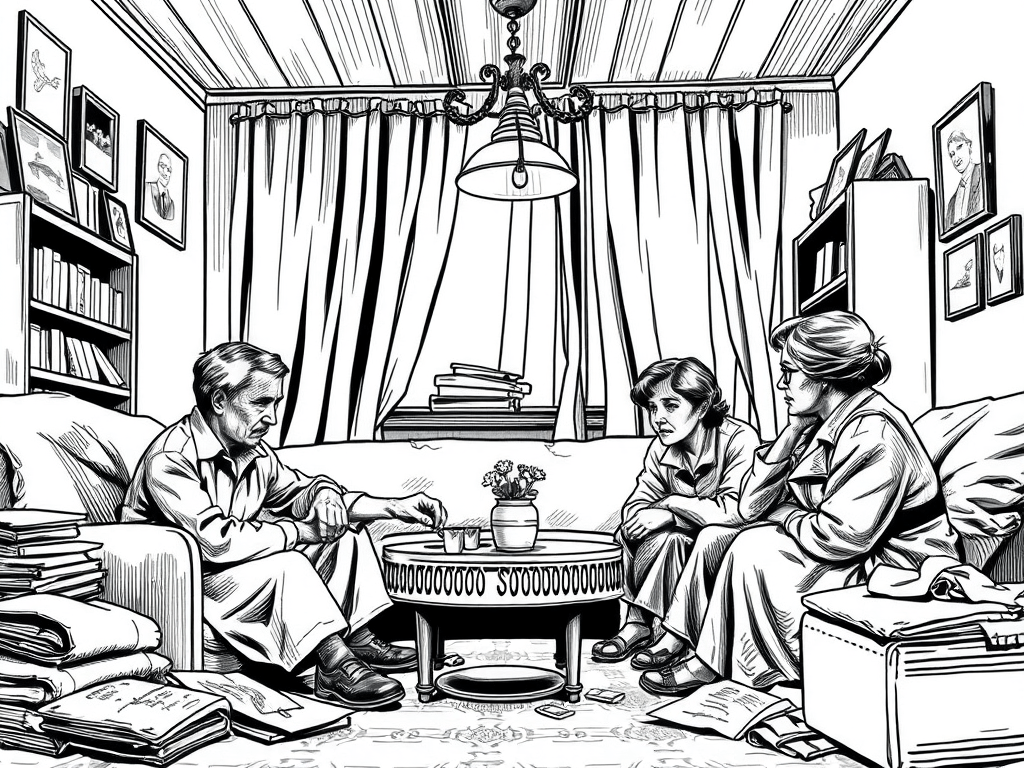
Orlando Figes’s The Whisperers examines everyday life in Stalin’s Russia, focusing on the intimate effects of state repression on personal relationships and identities. Relying on oral histories, Figes reveals the pervasive culture of fear and silence that shaped Soviet citizens’ experiences, while critically engaging with issues of memory and trauma in historical narratives.
-
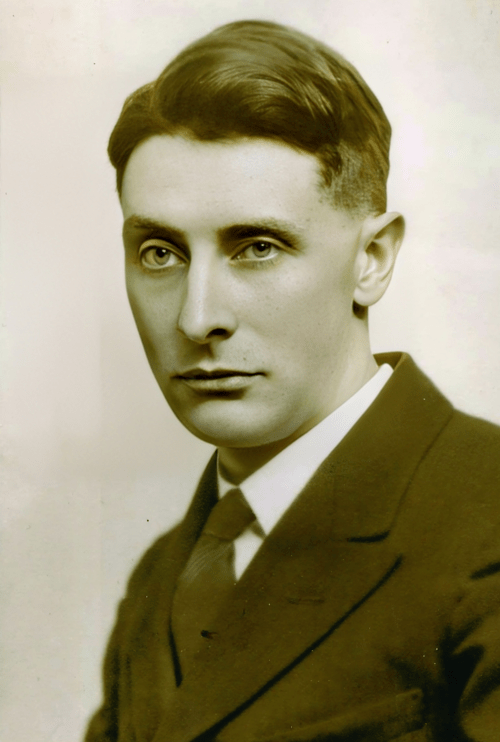
George Gilmore was a key figure in twentieth-century Irish republicanism, transitioning from militant nationalism to socialist republicanism. His life reflects ideological divides in the revolutionary tradition, emphasizing class struggle alongside national sovereignty. An active participant in the Republican Congress and the Spanish Civil War, Gilmore advocated for social justice, leaving a lasting impact on radical…
-

Sebastian Barry’s “Old God’s Time” explores memory, trauma, and complicity through retired detective Tom Kettle. Set against the backdrop of Ireland’s troubled history, the novel employs a immersive narrative style to depict Kettle’s morally ambiguous existence amidst institutional abuse. Barry’s lyrical prose examines loss and the enduring impact of the past on identity.
-
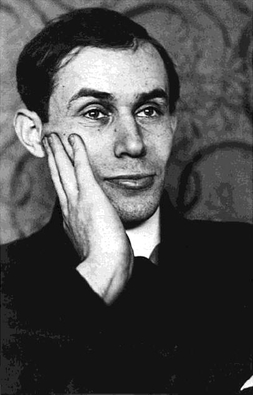
Arkadi Maslow, a significant figure in the German communist movement, was known for his intellectual contributions and leadership roles in the early Communist Party of Germany. His career, marked by radicalization, theoretical debates, and eventual marginalization under Stalinism, reflects the challenges faced by revolutionary intellectuals during this pivotal historical period.
-
Subscribe
Subscribed
Have a WordPress.com account? Log in now.

