-

Michael Finkel’s The Art Thief explores the life of Stéphane Breitwieser, a prolific art thief, focusing on the psychological motivations behind his crimes. By examining his thefts not just as criminal acts but as a complex interplay of obsession and aesthetic appreciation, the book invites reflection on art ownership and ethical implications, while questioning narrative…
-

James Thomas Farrell, born in Chicago in 1904, is a pivotal figure in 20th-century American literature, known for his naturalistic portrayal of urban life, especially within Irish American communities. His notable works include the Studs Lonigan trilogy, emphasizing the impact of social constraints on individual aspirations. Farrell’s commitment to realism reveals the intricate relationship between…
-

Plautus’s Aulularia, edited by Wolfgang de Melo, is a Roman comedy focused on the themes of avarice and social anxiety through the character of Euclio, a miser whose hidden wealth becomes a source of paranoia. The play critiques economic tensions and highlights how obsession isolates individuals, revealing the complexities of wealth and trust in society.
-
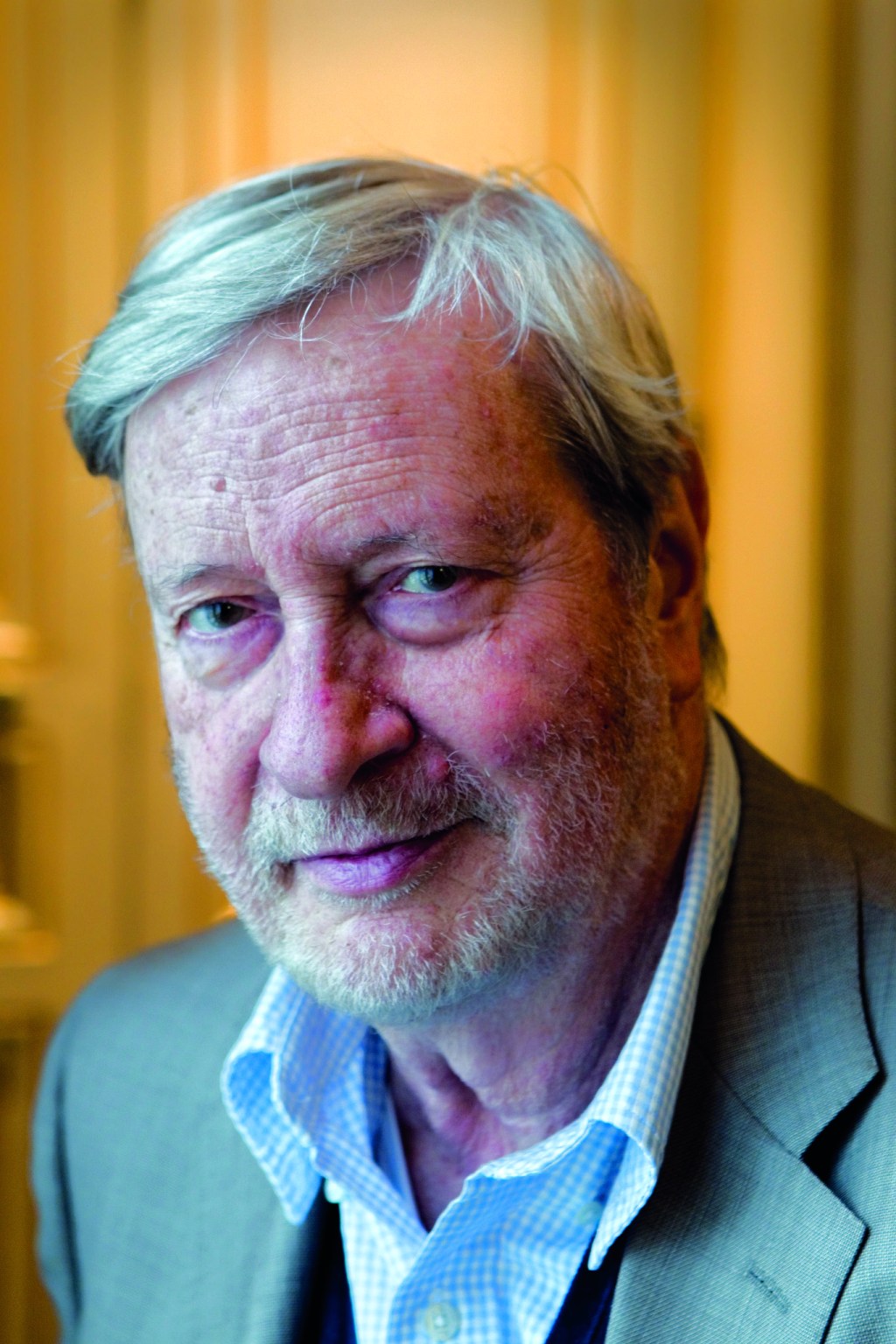
Gianni Vattimo (1936–2023) was a prominent Italian philosopher known for his concept of “weak thought,” which reinterprets continental philosophy amid nihilism and secularization. His philosophy integrates hermeneutics and Christianity, emphasizing ethical interpretations over dogma. A political figure, he advocated for social justice, leaving a lasting impact on postmodern philosophical discourse.
-

Ross Macdonald’s The Zebra-Striped Hearse is a pivotal work in the American detective novel, blending hardboiled conventions with deep psychological and social insight. Private investigator Lew Archer’s journey explores identity and familial dysfunction, revealing crime as a symptom of deeper issues. Macdonald’s lyrical prose highlights themes of memory, trauma, and societal anxieties.
-

Paul Robeson (1898-1976) was a multifaceted figure who seamlessly integrated culture, law, and politics while critiquing racial capitalism and imperialism. A gifted performer and activist, he used his art as a tool for social justice and global anti-fascism, influencing civil rights movements and challenging systemic racism throughout his life.
-
Plautus’s The Two Menaechmuses is a foundational Roman comedy that explores mistaken identity through the story of identical twins. The 2011 Loeb Classical Library edition presents the Latin text and English translation, highlighting the play’s linguistic play and commentary on Roman social dynamics. Its enduring influence on comedy continues, raising questions about gender roles and…
-

Julius Fučík (1903–1943) was a prominent communist intellectual and anti-fascist martyr whose writings, particularly “Notes from the Gallows,” symbolize resistance against oppression. His early involvement in leftist circles shaped his literary approach. Posthumously, his legacy remains debated, reflecting complexities of ideology and political narrative in Central Europe.
-

Rosa Luxemburg’s “The National Question: Selected Writings,” edited by Horace B. Davis, presents a critical Marxist analysis of nationalism, arguing against national self-determination as a solution under capitalism. The collection highlights Luxemburg’s rigorous critique of class dynamics and the limitations of nationalist politics, while remaining influential in contemporary discussions on internationalism and socialist strategy.
-

Angela Davis, born in 1944, is a prominent intellectual and activist known for her contributions to philosophy, political theory, feminist studies, and prison abolition. Her activism, marked by her involvement with the Communist Party and the Black Panther Party, highlights systemic oppression. Davis’s influential writings promote prison abolition and intersectionality, solidifying her legacy in contemporary…
-
Subscribe
Subscribed
Have a WordPress.com account? Log in now.

