Literature
-

Menander’s “Dyskolos,” a New Comedy masterpiece from 316 BCE, highlights the transition from political satire to domestic concerns. Centering on the misanthropic farmer Knemon, it addresses themes of social integration and moral reform. The play’s nuanced characters and ethical insights reveal the importance of community and cooperation for human flourishing, influencing later European comedy.
-

Cotton Comes to Harlem critiques racial capitalism, revealing how Black aspirations are commodified and exploited. Himes employs the detective genre to showcase the permanence of social contradictions linked to exploitation. Through a chaotic narrative, the novel emphasizes that change requires transforming economic systems rather than relying on superficial reforms.
-
Chester Himes’s The Crazy Kill presents Harlem not merely as a setting but as a politically charged environment shaped by exploitation and violence rooted in racial capitalism. The novel critiques traditional detective fiction by revealing systemic issues rather than restoring order, portraying violence as a product of societal constraints and illustrating the complexities of policing…
-

Aristophanes’s “Wealth” critiques social inequality through the character of Ploutos, illustrating how wealth distribution is morally flawed rather than a critique of ownership. The play highlights the paradox of poverty as a necessary discipline for labor while framing solutions within a conservative, reformist ideology that seeks comfort for the middle class rather than systemic change.
-
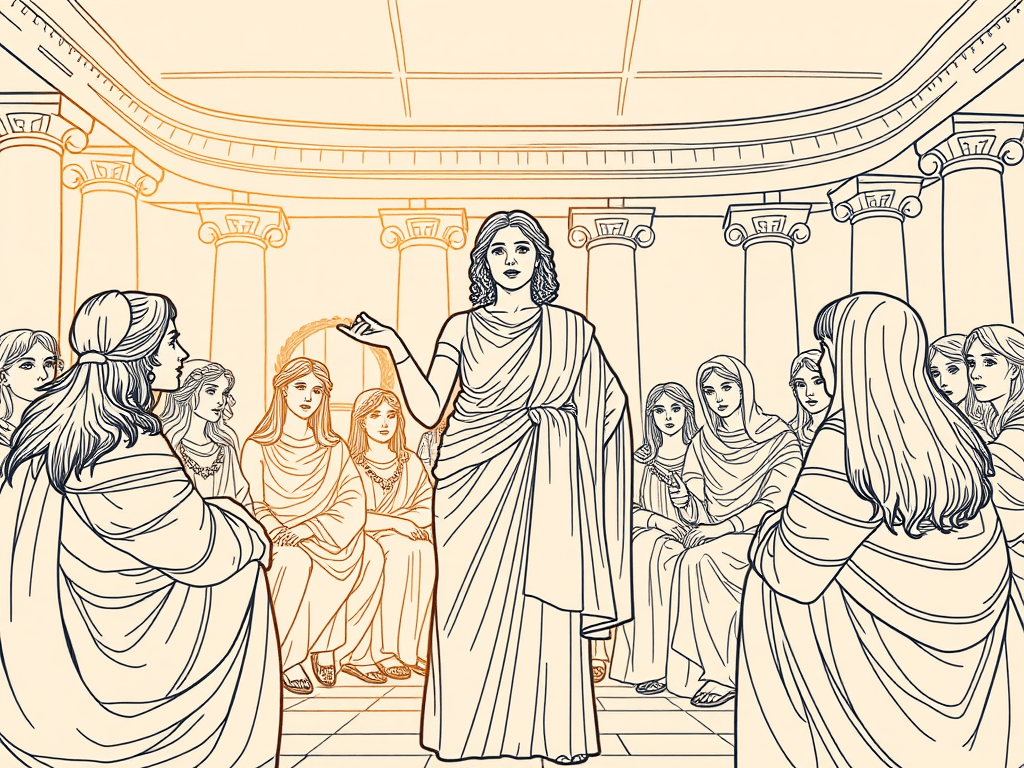
Aristophanes’s “Assemblywomen,” produced in the early fourth century BCE, explores women’s political agency through satire. The play reflects Athens’s post-war discontent, merging politics with sexual economy. Protagonist Praxagora advocates for radical reforms, critiquing male governance. The comedy highlights the complexities and dangers of egalitarianism in a struggling democracy, revealing political exhaustion.
-
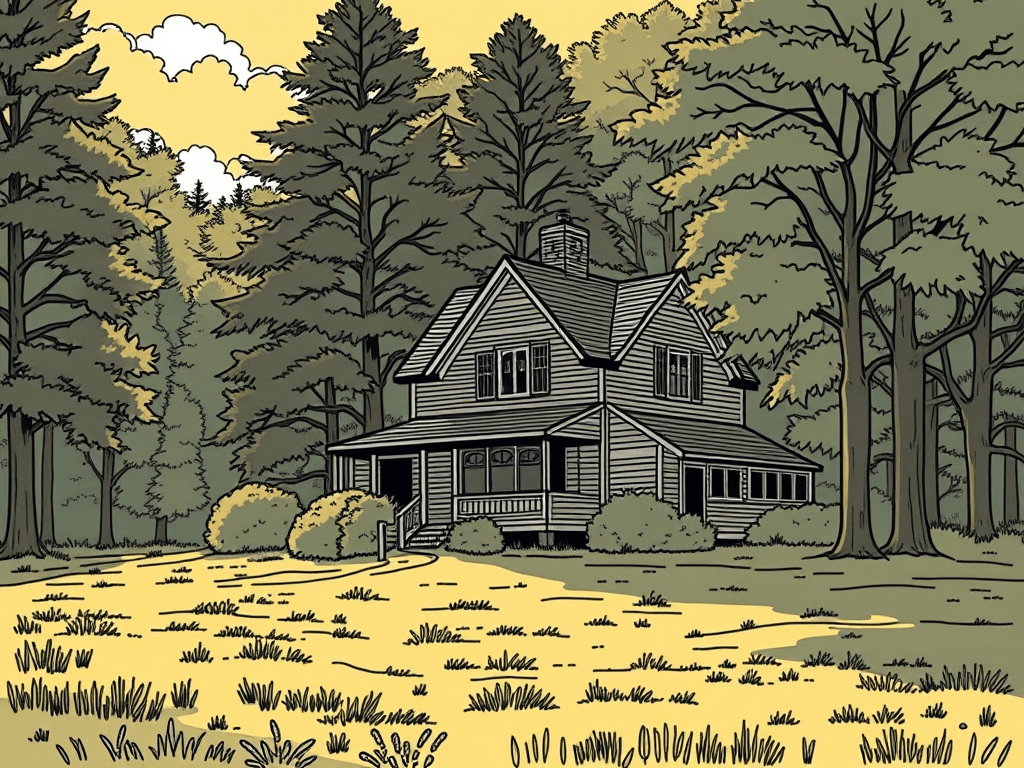
Daniel Mason’s North Woods is a complex novel set in rural New England, exploring themes of history, memory, and environmental change through an old house and its land. Structured as a polyphonic archive, it critiques ownership and highlights nature’s indifference, offering rich, varied prose that connects human experience with the ecological world.
-
In The Real Cool Killers, Chester Himes exposes Harlem as a zone of racial capitalism where poverty, rumor, and spectacle erupt into violence. A Marxist reading reveals crime as socially produced: policing maintains oppressive order, “cool” becomes commodity, and ideology masks exploitation while the poor are trapped in alienation.
-
Chester Himes’s A Rage in Harlem is a complex work blending detective fiction, dark comedy, and social critique. Centered on Jackson, a man seeking stability in a chaotic Harlem, the novel reveals how systemic racism and economic desperation warp the American Dream. Himes critiques both crime and policing, exposing the intricate ties between community and…
-

Tennessee Williams’s The Glass Menagerie is analyzed as a Marxist critique revealing the economic and ideological pressures on the Wingfield family. It portrays their struggles as products of class dynamics and capitalist structures rather than mere personal dysfunctions. The play illustrates how capitalism shapes identity, aspirations, and family relations, highlighting systemic inequalities.
-

Raymond Chandler’s The Long Goodbye is a profound exploration of loyalty, class, and moral exhaustion in postwar America, marking a shift from classic detective fiction to existential critique. Philip Marlowe’s journey reveals a disillusioned struggle against societal norms, making the novel a tragic commentary on integrity and the emptiness of modern life.

