Literature
-

Robert A. Caro’s The Power Broker examines the life of Robert Moses and the nature of power in twentieth century America. Through extensive research, Caro reveals Moses’s manipulation of bureaucratic structures to evade democracy while perpetuating class and racial inequalities in urban development. The book raises critical questions about institutional authority and democratic accountability.
-
Joseph Moldover’s “To the End of Reckoning” is a psychological mystery exploring memory, grief, and familial obligation. Centered on the relationship between Lukas and his father, Dr. Richard Moore, the narrative blends emotional vulnerability with detective elements, highlighting the impact of trauma and the interplay between truth and perception in human relationships.
-
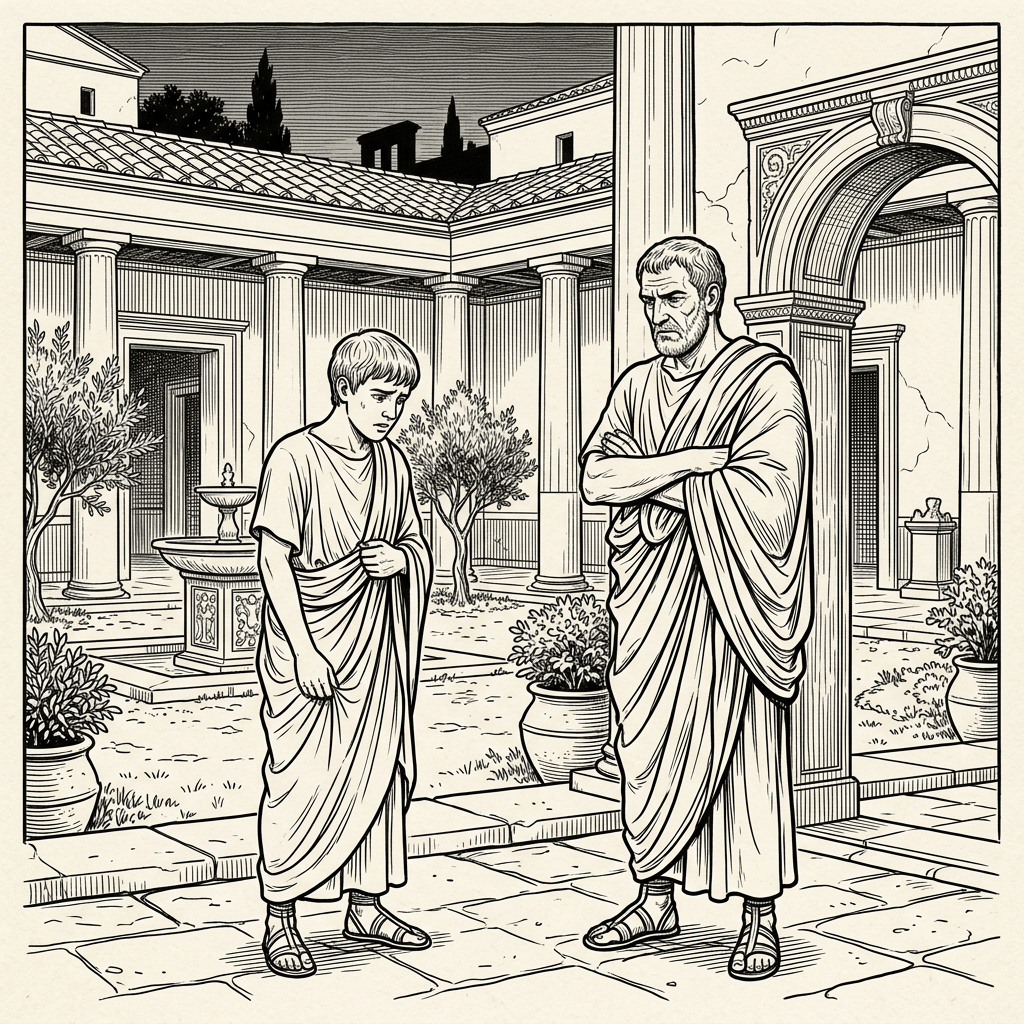
Terence’s “Adelphoe,” performed in 160 BCE, critiques Roman masculinity through the conflicting ideals of two brothers, Demea and Micio, regarding fatherhood and authority. The play navigates complex themes like educational philosophy and societal expectations, ultimately resisting simple moral resolutions and highlighting the nuances of family dynamics amid cultural transformation.
-
Terence’s Heauton Timorumenos, performed in 163 BCE, offers a nuanced exploration of paternal authority and self-inflicted suffering within Roman domestic life. Through character Menedemus, Terence examines the complexities of moral anguish and human interdependence, emphasizing emotional authenticity and psychological realism over farcical elements, reflecting deep ethical considerations in familial relationships.
-
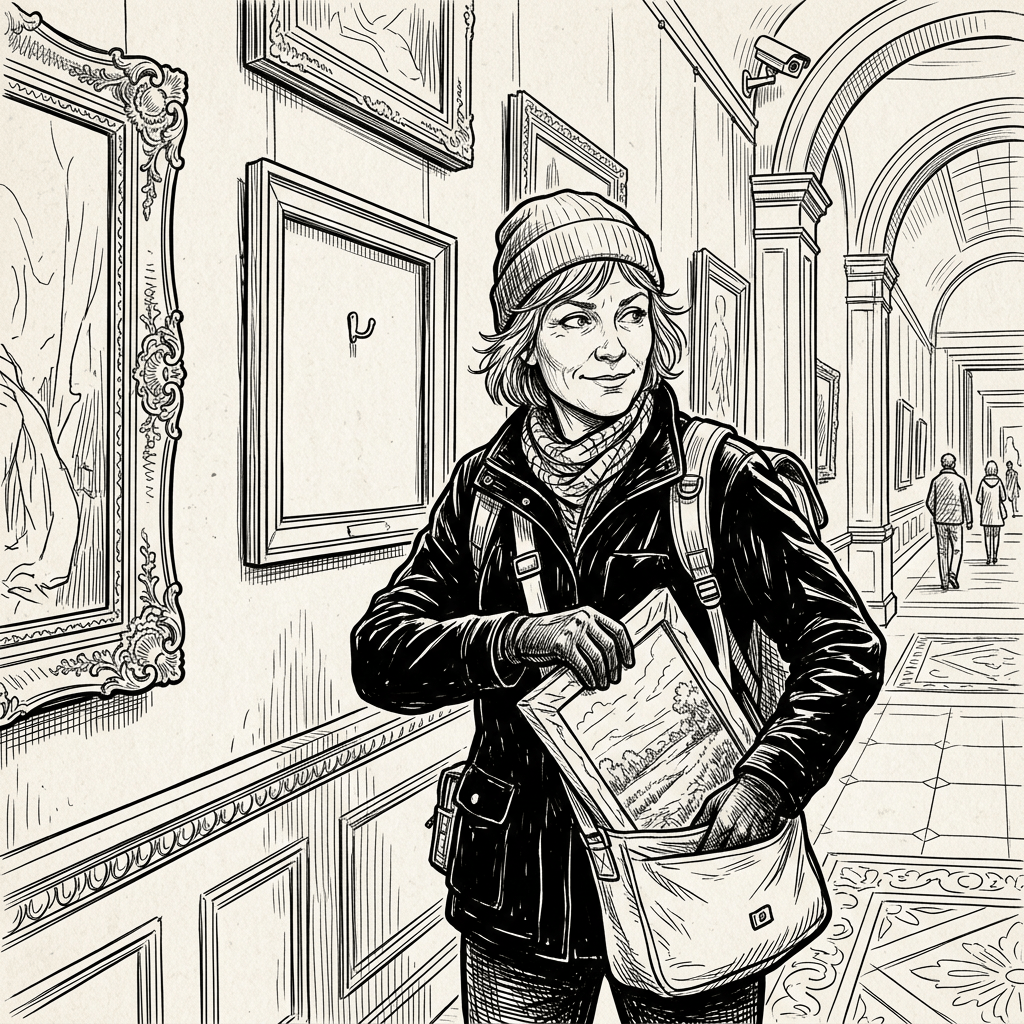
Michael Finkel’s The Art Thief explores the life of Stéphane Breitwieser, a prolific art thief, focusing on the psychological motivations behind his crimes. By examining his thefts not just as criminal acts but as a complex interplay of obsession and aesthetic appreciation, the book invites reflection on art ownership and ethical implications, while questioning narrative…
-
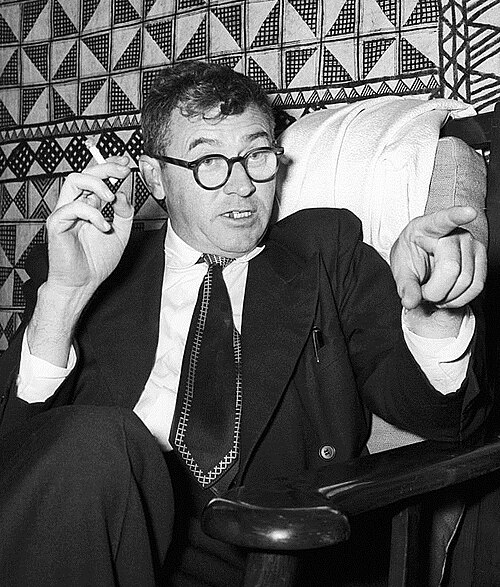
James Thomas Farrell, born in Chicago in 1904, is a pivotal figure in 20th-century American literature, known for his naturalistic portrayal of urban life, especially within Irish American communities. His notable works include the Studs Lonigan trilogy, emphasizing the impact of social constraints on individual aspirations. Farrell’s commitment to realism reveals the intricate relationship between…
-
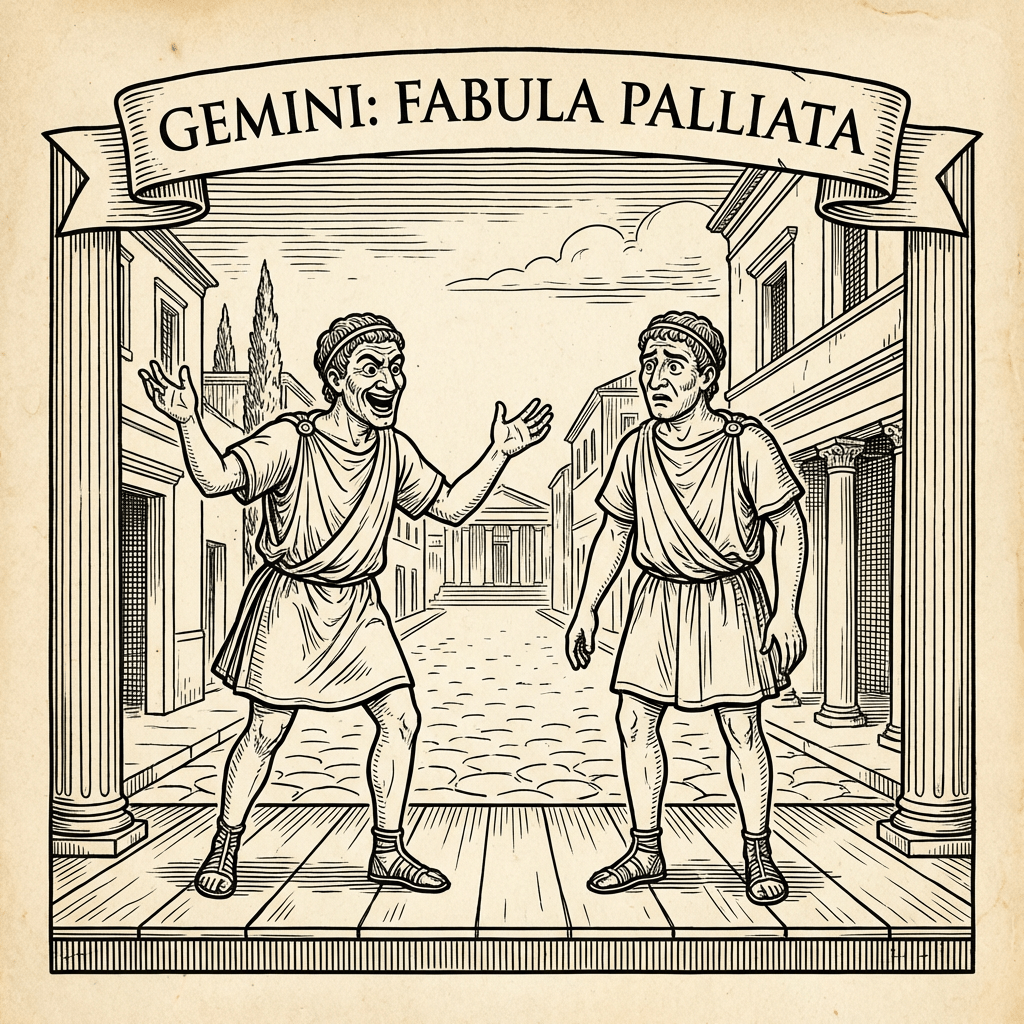
Plautus’s The Two Menaechmuses is a foundational Roman comedy that explores mistaken identity through the story of identical twins. The 2011 Loeb Classical Library edition presents the Latin text and English translation, highlighting the play’s linguistic play and commentary on Roman social dynamics. Its enduring influence on comedy continues, raising questions about gender roles and…
-

Ross Macdonald’s “The Chill” is a pivotal work in the Lew Archer series, blending hardboiled detective fiction with psychological depth. The narrative explores familial trauma and inherited guilt, revealing how past betrayals shape present violence. Through Archer’s evolving moral sensitivity, the novel critiques mid-twentieth-century American domestic ideology and highlights the complexities of truth and memory.
-

Eleanor Catton’s The Luminaries, a Man Booker Prize winner, is a complex historical novel set in 1860s New Zealand during the gold rush. It intertwines intricate narrative structure with astrological themes to examine colonialism, capitalism, and identity. The novel challenges traditional narrative coherence, exposing the constructed nature of truth and knowledge.
-

Sebastian Barry’s “Old God’s Time” explores memory, trauma, and complicity through retired detective Tom Kettle. Set against the backdrop of Ireland’s troubled history, the novel employs a immersive narrative style to depict Kettle’s morally ambiguous existence amidst institutional abuse. Barry’s lyrical prose examines loss and the enduring impact of the past on identity.

