Book Club
-
Joseph Moldover’s “To the End of Reckoning” is a psychological mystery exploring memory, grief, and familial obligation. Centered on the relationship between Lukas and his father, Dr. Richard Moore, the narrative blends emotional vulnerability with detective elements, highlighting the impact of trauma and the interplay between truth and perception in human relationships.
-
Terence’s “Adelphoe,” performed in 160 BCE, critiques Roman masculinity through the conflicting ideals of two brothers, Demea and Micio, regarding fatherhood and authority. The play navigates complex themes like educational philosophy and societal expectations, ultimately resisting simple moral resolutions and highlighting the nuances of family dynamics amid cultural transformation.
-
Terence’s Heauton Timorumenos, performed in 163 BCE, offers a nuanced exploration of paternal authority and self-inflicted suffering within Roman domestic life. Through character Menedemus, Terence examines the complexities of moral anguish and human interdependence, emphasizing emotional authenticity and psychological realism over farcical elements, reflecting deep ethical considerations in familial relationships.
-
Michael Finkel’s The Art Thief explores the life of Stéphane Breitwieser, a prolific art thief, focusing on the psychological motivations behind his crimes. By examining his thefts not just as criminal acts but as a complex interplay of obsession and aesthetic appreciation, the book invites reflection on art ownership and ethical implications, while questioning narrative…
-
Plautus’s Aulularia, edited by Wolfgang de Melo, is a Roman comedy focused on the themes of avarice and social anxiety through the character of Euclio, a miser whose hidden wealth becomes a source of paranoia. The play critiques economic tensions and highlights how obsession isolates individuals, revealing the complexities of wealth and trust in society.
-
Plautus’s The Two Menaechmuses is a foundational Roman comedy that explores mistaken identity through the story of identical twins. The 2011 Loeb Classical Library edition presents the Latin text and English translation, highlighting the play’s linguistic play and commentary on Roman social dynamics. Its enduring influence on comedy continues, raising questions about gender roles and…
-

Sebastian Barry’s “Old God’s Time” explores memory, trauma, and complicity through retired detective Tom Kettle. Set against the backdrop of Ireland’s troubled history, the novel employs a immersive narrative style to depict Kettle’s morally ambiguous existence amidst institutional abuse. Barry’s lyrical prose examines loss and the enduring impact of the past on identity.
-

Menander’s “Dyskolos,” a New Comedy masterpiece from 316 BCE, highlights the transition from political satire to domestic concerns. Centering on the misanthropic farmer Knemon, it addresses themes of social integration and moral reform. The play’s nuanced characters and ethical insights reveal the importance of community and cooperation for human flourishing, influencing later European comedy.
-
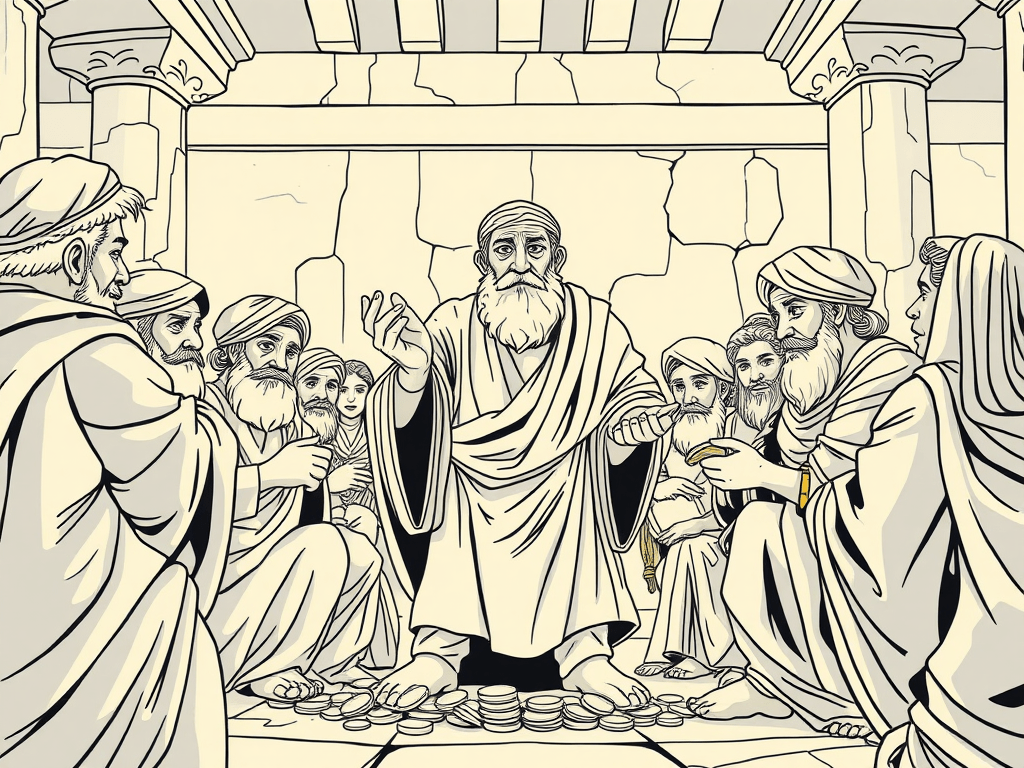
Aristophanes’s “Wealth” critiques social inequality through the character of Ploutos, illustrating how wealth distribution is morally flawed rather than a critique of ownership. The play highlights the paradox of poverty as a necessary discipline for labor while framing solutions within a conservative, reformist ideology that seeks comfort for the middle class rather than systemic change.
-
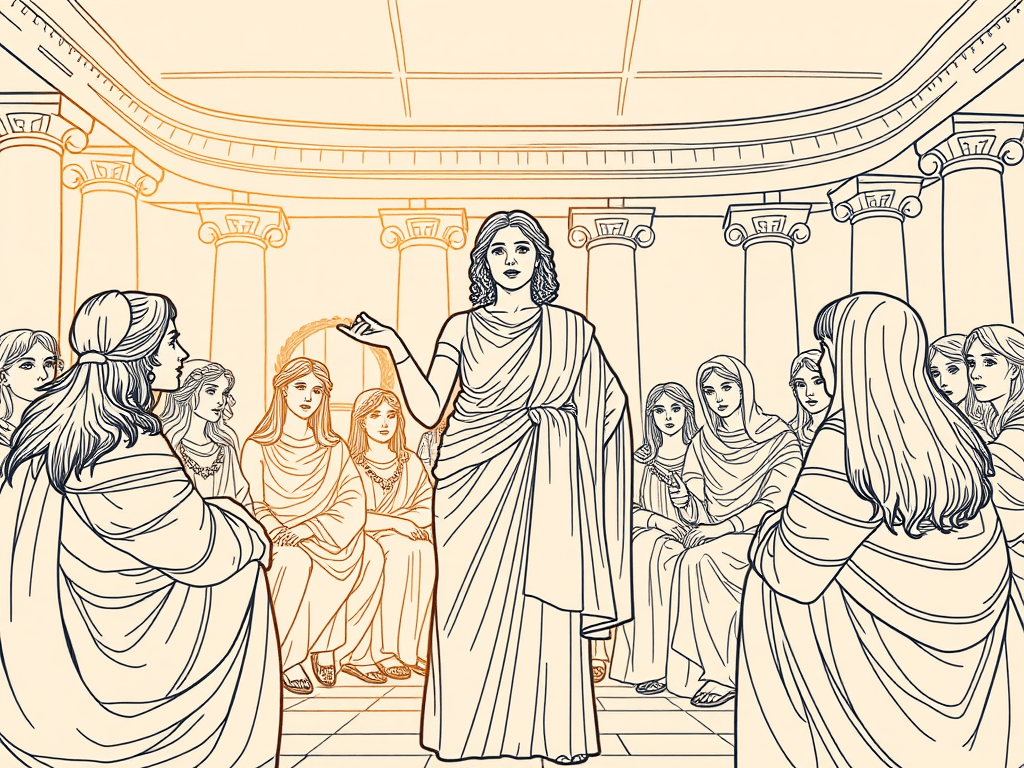
Aristophanes’s “Assemblywomen,” produced in the early fourth century BCE, explores women’s political agency through satire. The play reflects Athens’s post-war discontent, merging politics with sexual economy. Protagonist Praxagora advocates for radical reforms, critiquing male governance. The comedy highlights the complexities and dangers of egalitarianism in a struggling democracy, revealing political exhaustion.

