Labor
-
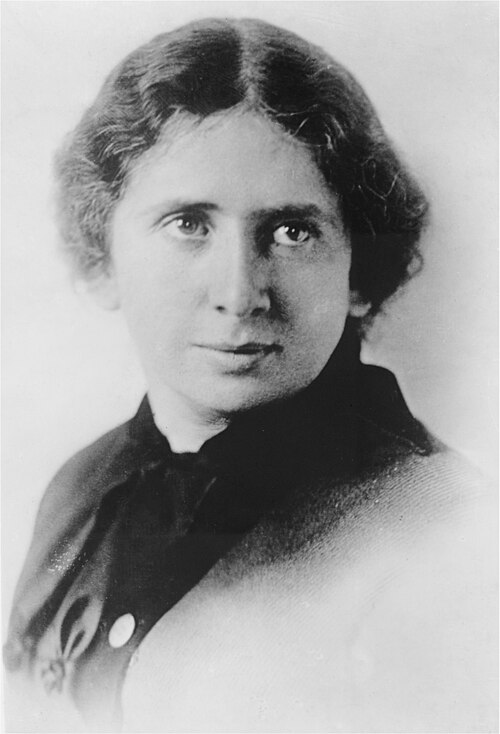
Rose Schneiderman was a pivotal labor organizer and feminist during the twentieth century, advocating for working women’s rights, particularly in the garment industry. Her activism merged socialism, unionism, and feminism, focusing on workplace safety and equal pay. Schneiderman’s enduring legacy includes significant contributions to labor reform and the political empowerment of women.
-
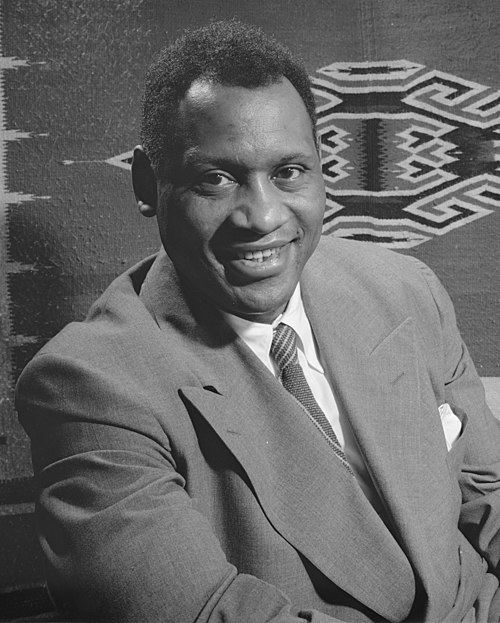
Paul Robeson (1898-1976) was a multifaceted figure who seamlessly integrated culture, law, and politics while critiquing racial capitalism and imperialism. A gifted performer and activist, he used his art as a tool for social justice and global anti-fascism, influencing civil rights movements and challenging systemic racism throughout his life.
-
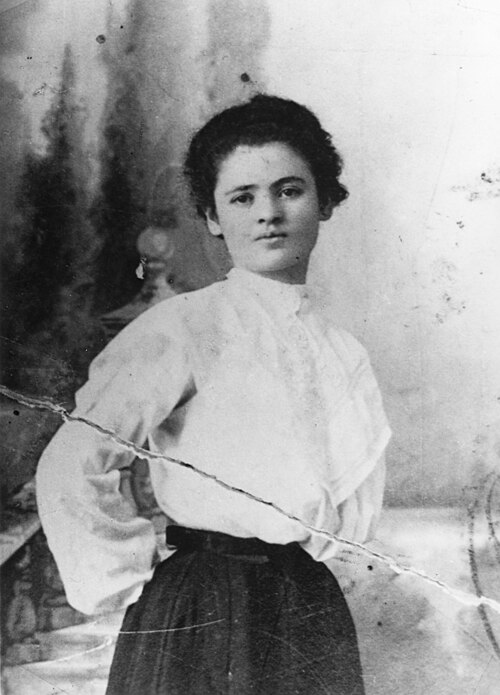
Clara Lemlich (1886–1982) was a Jewish immigrant garment worker whose militant socialism and feminist labor activism helped ignite the 1909 “Uprising of the 20,000.” A rank-and-file organizer, she fused workplace struggle, women’s emancipation, and community activism into a lifelong commitment to working-class power.
-
Pauline M. Newman, a significant yet underappreciated figure in women’s trade unionism, overcame ethnic and gender barriers as a child of Eastern European Jewish immigrants. Her activism, rooted in socialist principles, flourished during the crucial “Uprising of the 20,000” strike, advancing labor rights and health initiatives, impacting labor feminism profoundly.
-
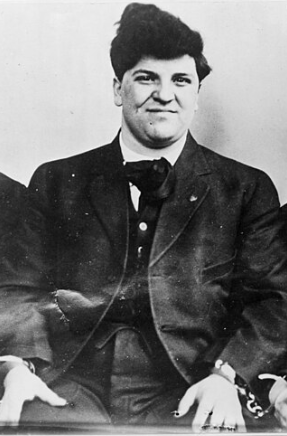
Joseph James Ettor (1885–1948) embodied the radical spirit of early twentieth-century labor. A gifted organizer for the Industrial Workers of the World, he unified immigrant mill workers in the 1912 Lawrence “Bread and Roses” strike, articulating a vision of industrial unionism that linked economic emancipation with human dignity and solidarity.
-

Hosea Hudson (1898–1988) was a significant African American Communist leader and labor activist in the mid-20th century. His life highlights the intersection of race, class, and political radicalism. Despite facing repression, he organized Black workers and contributed to labor movements, leaving a legacy that connects Black struggle to broader socialist politics.
-
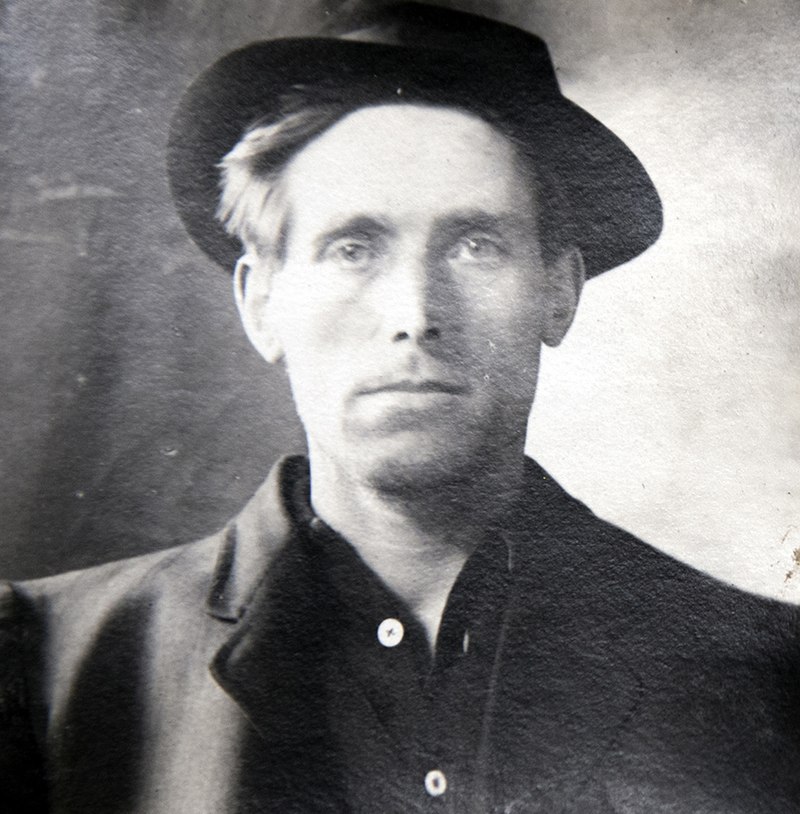
Joe Hill, a Swedish-American labor activist and songwriter, was a key figure in the Industrial Workers of the World (IWW) and became a martyr for labor rights. Arrested in 1914 for murder, his conviction sparked wide protests. Executed in 1915, his songs and legacy inspire ongoing labor activism and cultural expression.
-

César Chávez (1927–1993), co-founder of the United Farm Workers (UFW), revolutionized labor and civil rights for migrant farmworkers in America. His early experiences with poverty and discrimination fueled his activism. Chávez’s nonviolent methods, influenced by notable leaders, emphasized collective power, social justice, and dignity, leaving a lasting legacy on workers’ rights.
-
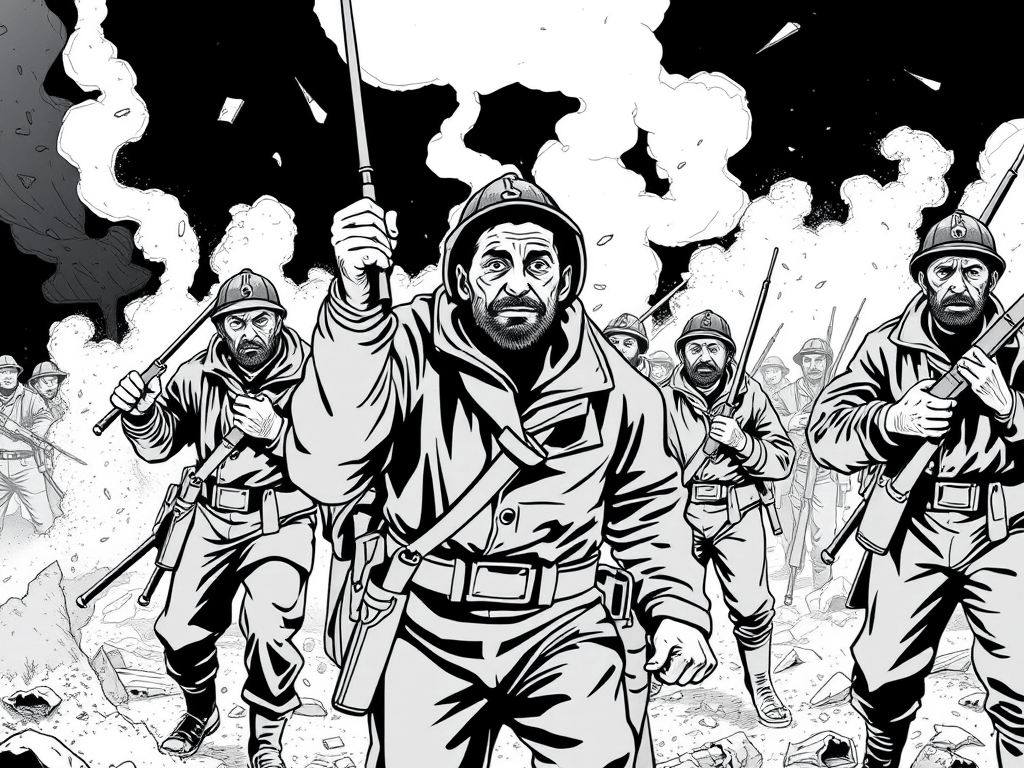
The Ludlow Massacre of April 1914 was a violent clash between striking coal miners, seeking basic rights, and armed capitalist forces, symbolizing stark class struggle. Analyzing this event through a Marxist lens reveals systemic labor exploitation and the intertwining of state power with capitalist interests, illustrating ongoing themes of class conflict relevant today.
-

James Connolly (1868–1916) was a key figure in the Irish socialist movement, blending Marxism with Irish republicanism. Born into poverty, he became a labor leader and strategist. His leadership in the 1916 Easter Rising marked his martyrdom, inspiring future movements for justice and linking national liberation with social transformation.

