Germany
-
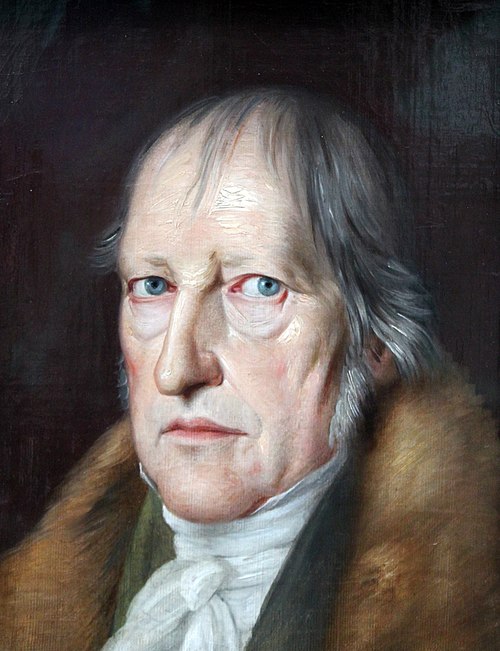
Hegel’s “Elements of the Philosophy of Right” attempts to reconcile freedom with social order, emphasizing the role of institutions like the family and state. A revolutionary communist critique argues that Hegel obscures class relations and the coercive nature of the state, treating property as freedom while neglecting systemic exploitation. This text serves as a bridge…
-
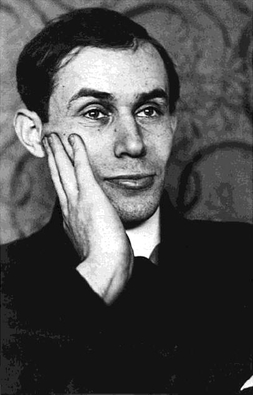
Arkadi Maslow, a significant figure in the German communist movement, was known for his intellectual contributions and leadership roles in the early Communist Party of Germany. His career, marked by radicalization, theoretical debates, and eventual marginalization under Stalinism, reflects the challenges faced by revolutionary intellectuals during this pivotal historical period.
-
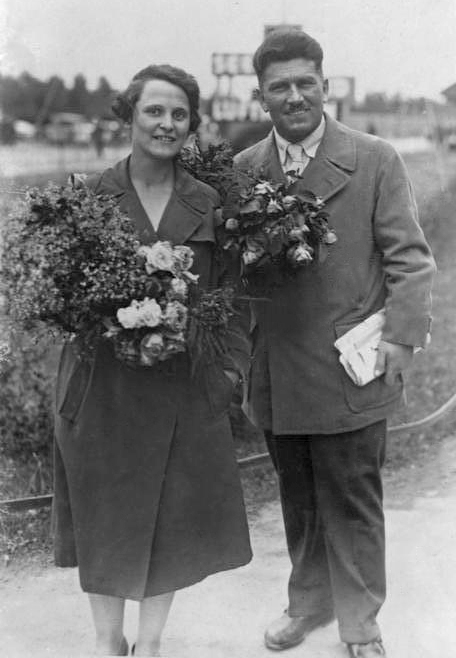
Max Hoelz was a key figure in the revolutionary movements of Weimar Germany, known for his militant approach rather than formal party ideology. His life journey from working-class poverty to leading armed uprisings in a chaotic political landscape highlights the tensions between revolutionary action, mass politics, and state repression, illustrating the complex dynamics of class…
-

Friedrich Engels’s “Ludwig Feuerbach and the End of Classical German Philosophy” critically analyzes German philosophy’s evolution, advocating for a Marxist synthesis of Hegel’s dialectical method and Feuerbach’s materialism. Engels argues for dialectics as a transformative method, highlighting implications for socialist theory and its relevance in contemporary philosophical discussions on materialism and praxis.
-
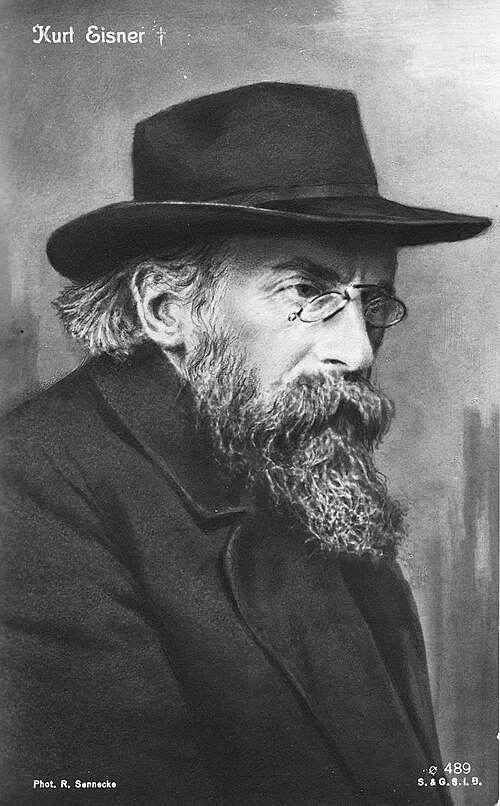
Kurt Eisner was a German socialist revolutionary and journalist, central to the Bavarian Revolution of 1918. He advocated for ethical socialism emphasizing moral agency and democracy. Eisner’s tenure as Minister-President was brief and ended with his assassination, but his ideas influenced German socialism and debates on democracy and ethics significantly.
-
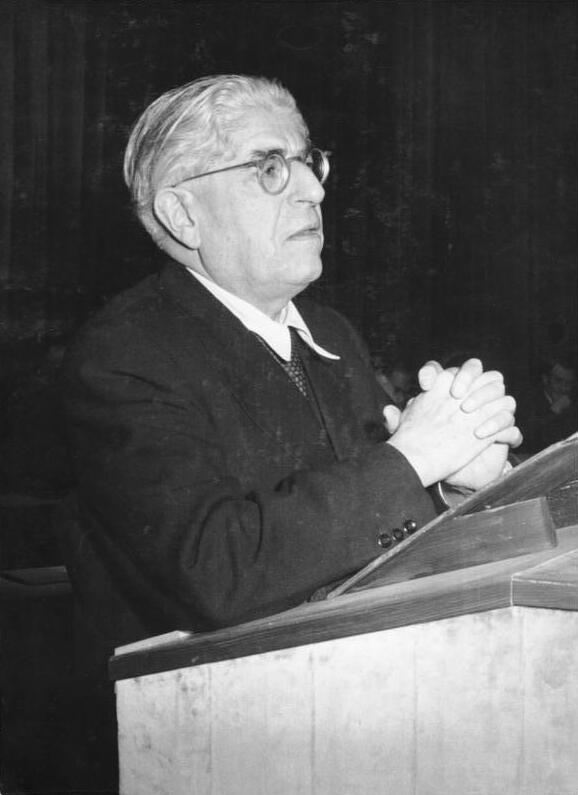
Ernst Bloch was a unique Marxist philosopher known for his focus on utopia and hope. His major work, The Principle of Hope, emphasizes an active engagement with the future, asserting that cultural artifacts embody transformative potential. Despite facing marginalization, his ideas on hope, religion, and emancipation remain relevant in contemporary thought and activism.
-

Rob Sewell’s “Germany: From Revolution to Counter-Revolution” offers a concise, politically engaged retelling of the German revolutionary period, emphasizing leadership and mass agency. While it lacks original archival research and simplifies complex narratives, it effectively serves as an accessible pedagogical tool for revolutionary students and activists, stimulating critical reflection on historical events.
-
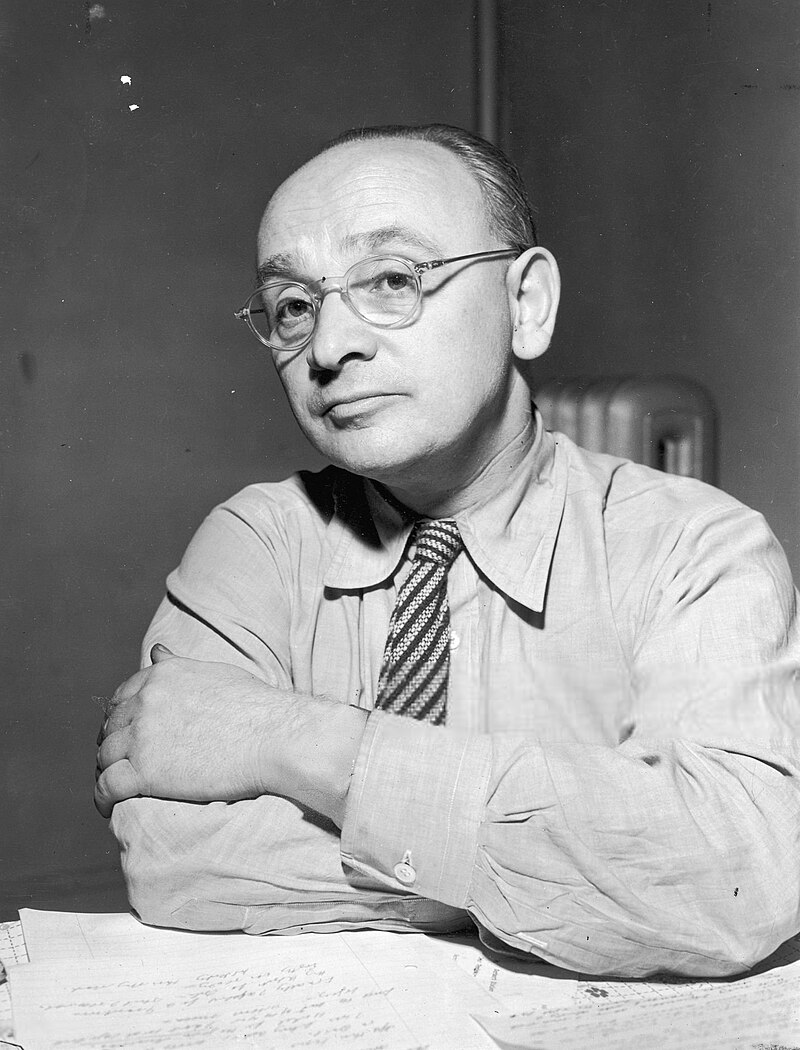
Gerhart Eisler (1897–1968), a German communist intellectual and operative, navigated the political landscape from Weimar Germany to the Cold War. Known for his influential role in the Comintern and later in East Germany, his life reflects the complexities of Marxism, illustrating the tensions between revolutionary ideals and bureaucratic realities.
-
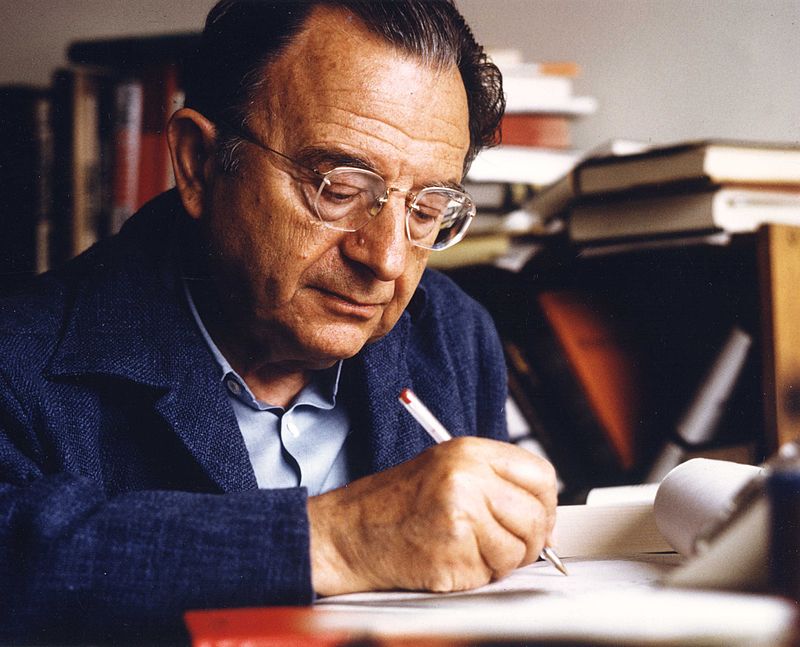
Erich Fromm was a German social psychologist and philosopher who shaped 20th-century thought by integrating psychology and Marxism. His work highlighted individual alienation in capitalism and advocated for humanistic socialism and ethics of love. Fromm’s influential writings explored freedom, love, and the social character, leaving a lasting impact across multiple disciplines.
-
Willi Münzenberg (1889–1940) was a significant figure in early international communism, known for transforming propaganda into a mass persuasion tool. He organized efforts for the Communist International, blending media with ideology. His eventual disillusionment with Stalinism led to a political split and exile, culminating in his mysterious death. His legacy remains influential in political communication…

