Germany
-
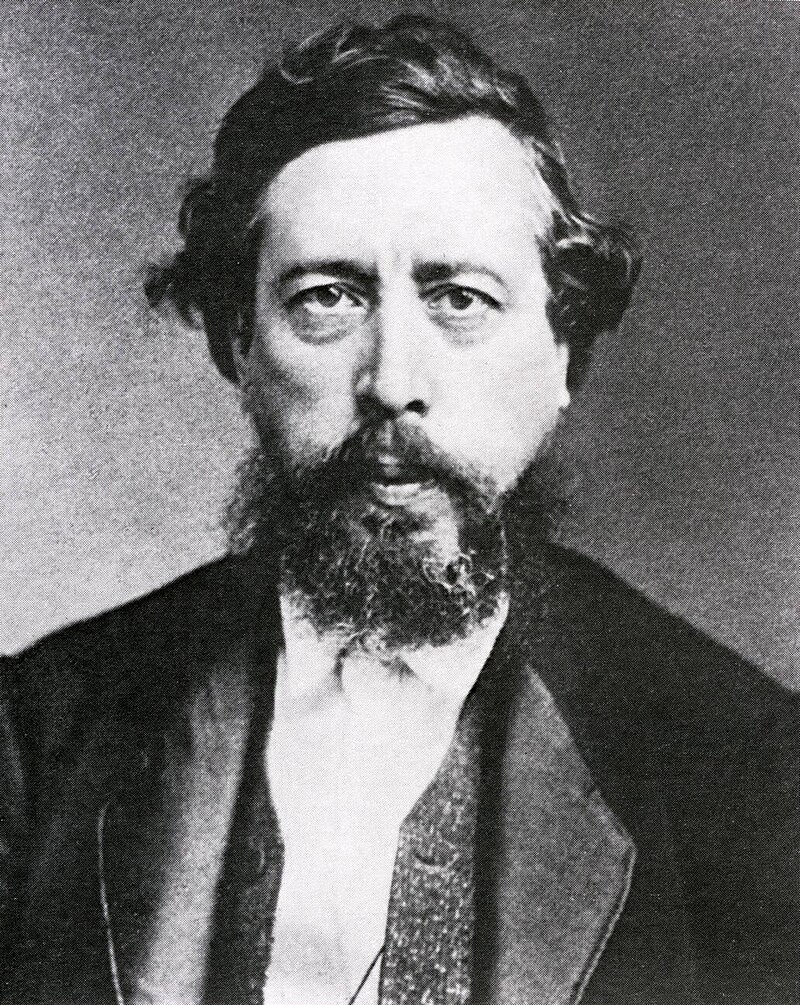
Wilhelm Liebknecht, born in 1826, faced early tragedies but pursued education and radical democratic thought. He became a key figure in the German labor movement and co-founded the Social Democratic Workers’ Party. He navigated political repression, advocating Marxist principles while opposing revisionism. Liebknecht’s legacy is pivotal in German social democracy.
-

Bryan Magee’s The Philosophy of Schopenhauer is a comprehensive and clear study of Schopenhauer’s thought, emphasizing his influence on Western philosophy. Magee adeptly contextualizes Schopenhauer’s ideas while making complex concepts accessible. The work’s interdisciplinary relevance and critical engagement with Schopenhauer’s limitations make it an essential read for scholars and students alike.
-
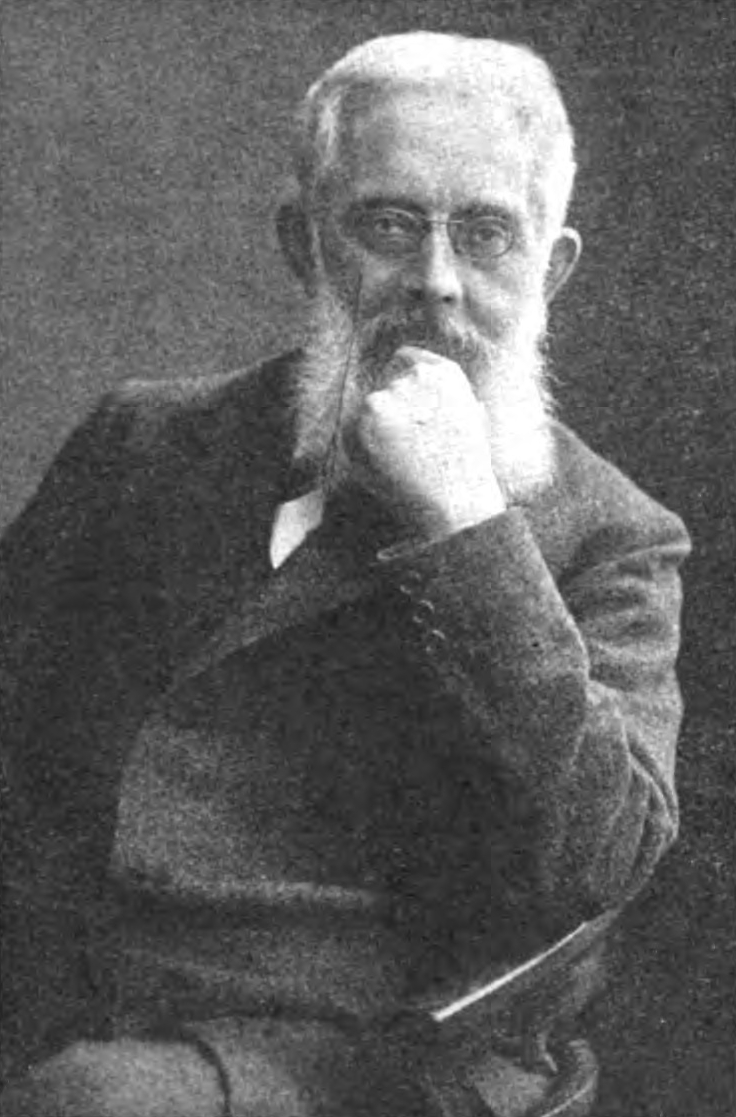
Franz Mehring (1846–1919) was a crucial figure in German Marxism, serving as historian, journalist, and political activist. His works, including a biography of Marx, highlight class struggle and critique bourgeois historiography. A founding member of the KPD, he embodied the tensions within socialism and left a lasting legacy in historical and literary criticism.
-

Ruth Fischer was a pivotal figure in the early European communist movement and a leader of the German Communist Party during the Weimar Republic. Her contributions reflected the tensions within revolutionary Marxism. After her expulsion from the KPD, she became an anti-Stalinist critic, publishing significant works. Fischer’s legacy illustrates the complexities of 20th-century revolutionary politics.
-
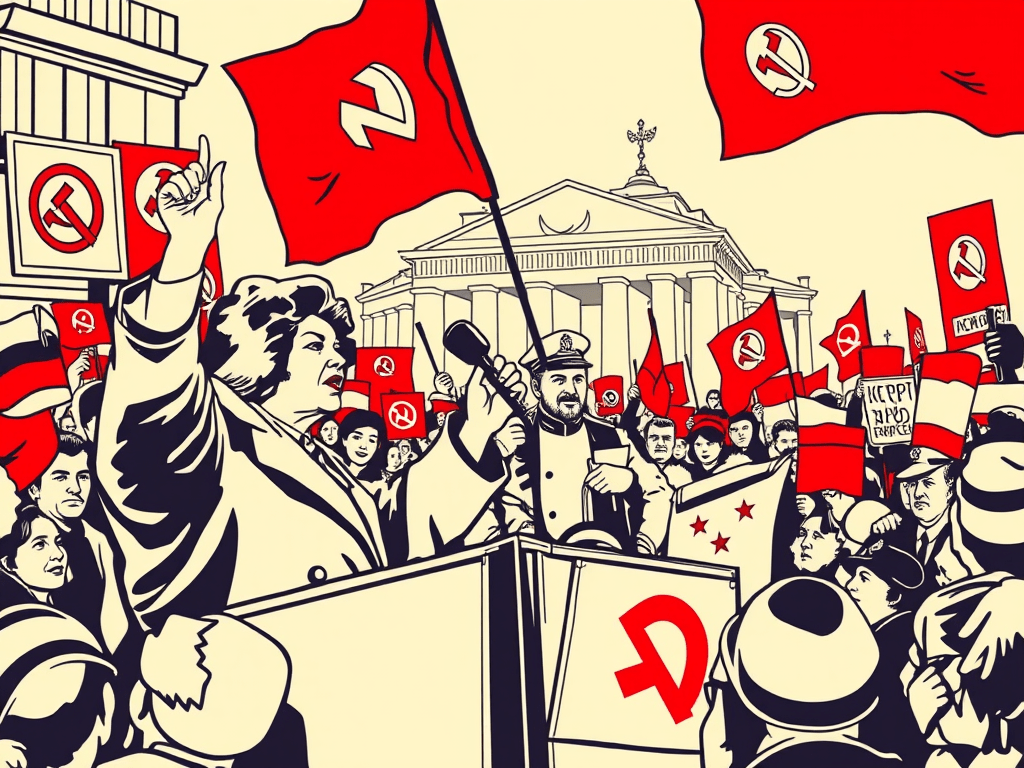
The German Communist Party (KPD) was founded in 1918, evolving through revolutionary turmoil and ideological shifts, primarily influenced by Luxemburgism and Marxism-Leninism. It ultimately faced repression under the Nazis and later transformed into the Socialist Unity Party in East Germany, while being banned in West Germany. The KPD’s complex legacy reflects its commitment to socialism,…
-

John Schehr (1896–1934) was a key leader in the German Communist Party during the Weimar Republic. He played a crucial role in organizing resistance against Nazi repression after the party’s ban in 1933. Captured and executed in 1934, Schehr became a symbol of communist martyrdom and resistance to authoritarianism, honored posthumously in East Germany.
-

Ulrike Meinhof, a German journalist and co-founder of the Red Army Faction, evolved from a respected intellectual to a revolutionary militant. Her radicalization, driven by disillusionment with traditional protest, led to violence justified by Marxist ideology. Arrested in 1972, Meinhof’s death in 1976 remains controversial, symbolizing state repression and revolutionary tragedy.
-
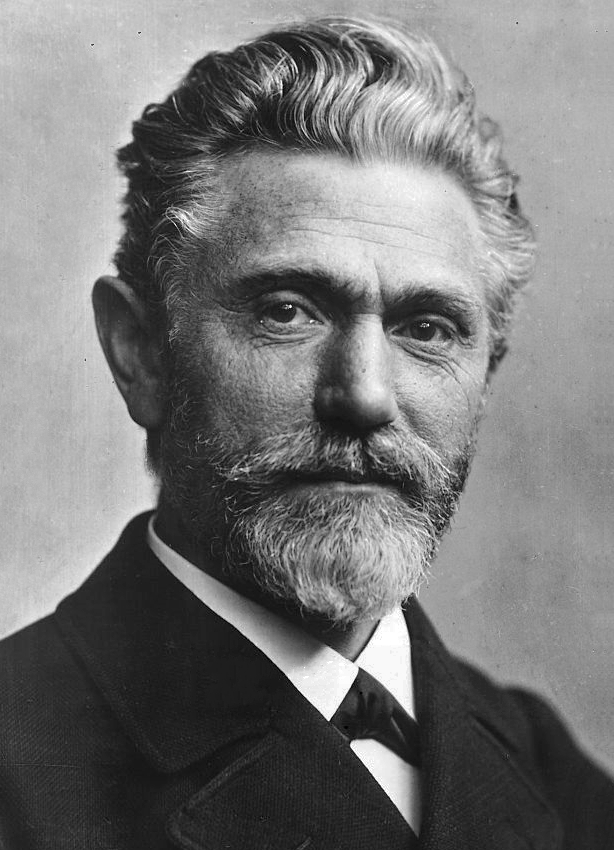
August Ferdinand Bebel (1840–1913) was a key figure in German socialism and co-founder of the Social Democratic Party of Germany (SPD). A committed Marxist, he advanced democratic socialism, advocating for gender equality in “Woman and Socialism.” Despite persecution, Bebel’s legacy endures as a catalyst for labor rights and social welfare initiatives.
 Letters from Tomis