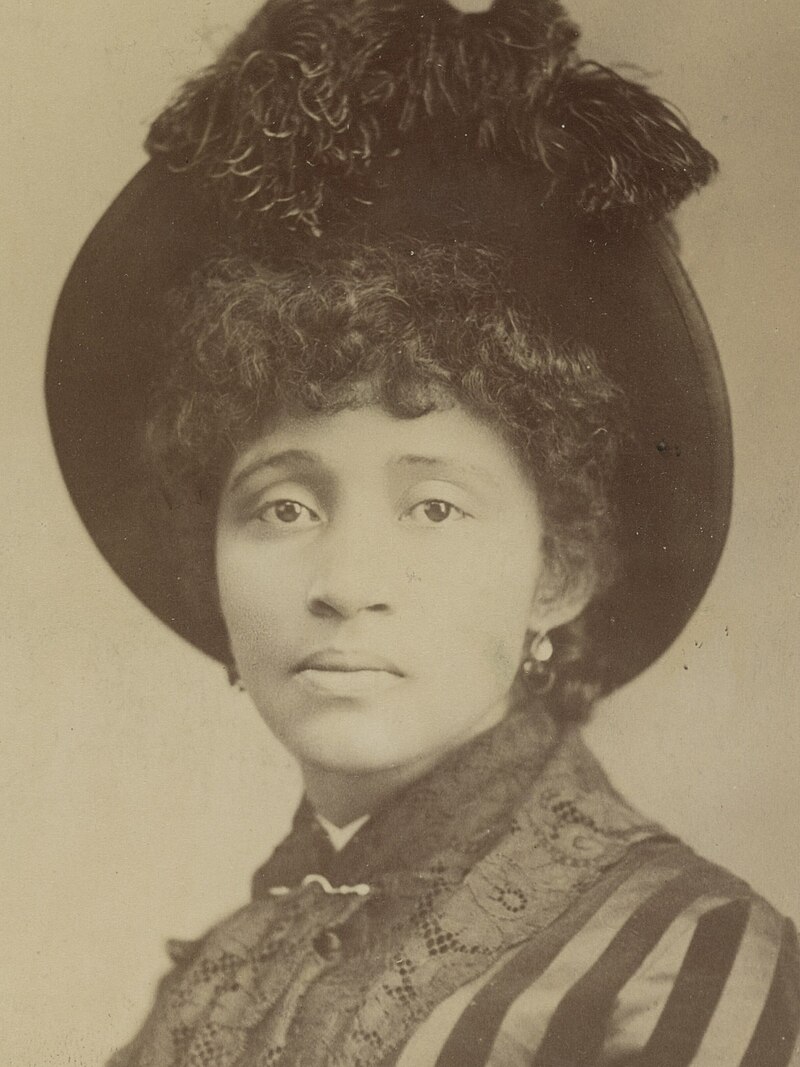
Lucy Parsons (circa 1851 – March 7, 1942) was a pioneering American anarchist, socialist activist, labor organizer, and orator, recognized for her fierce advocacy of workers’ rights and revolutionary social change. Her remarkable life and activism spanned critical moments in labor history, significantly influencing movements for social justice in the United States.
Born Lucy Eldine Gonzalez, she claimed mixed heritage of Native American, Mexican, and African-American descent, though precise details of her early life remain uncertain. Parsons was raised in Texas, where she experienced firsthand the brutality and oppression endemic to post-Civil War America. In 1871, she married Albert Parsons, a former Confederate soldier who had transformed into a radical Republican and socialist advocate. Facing threats due to their interracial marriage, the couple moved to Chicago in 1873, where they became deeply embedded in labor activism.
In Chicago, Lucy Parsons became a prominent figure in the anarchist movement, advocating militant direct action to dismantle capitalism. She was instrumental in supporting and publicizing the labor movement’s fight for the eight-hour workday. After the 1886 Haymarket Riot, which led to the execution of her husband and several other anarchists, Parsons emerged as a powerful symbol of resistance and resilience. Her fiery oratory, commitment to radical causes, and uncompromising stance against oppression made her both revered by supporters and vilified by authorities.
Throughout the late 19th and early 20th centuries, Parsons continued her activism, contributing to various anarchist and socialist publications, including her own paper, The Liberator. She vocally supported the Industrial Workers of the World (IWW), the Socialist Party of America, and consistently advocated for racial justice, economic equality, women’s rights, and free speech.
Lucy’s uncompromising radicalism kept her under constant surveillance by law enforcement. She was arrested multiple times and frequently targeted by authorities who saw her as a dangerous agitator. Nevertheless, she remained unwavering in her commitment to revolutionary ideals until her death in a house fire in Chicago in 1942.
Lucy Parsons’ legacy is enduring. She remains an iconic figure in labor and anarchist history, celebrated for her intersectional approach to activism long before such terminology existed. Her life’s work continues to inspire contemporary movements for social justice, equality, and workers’ rights.
Bibliography:
• Ashbaugh, Carolyn. “Lucy Parsons: American Revolutionary.” Charles H. Kerr Publishing Company, 1976.
• Jones, Jacqueline. “Goddess of Anarchy: The Life and Times of Lucy Parsons, American Radical.” Basic Books, 2017.
• Avrich, Paul. “The Haymarket Tragedy.” Princeton University Press, 1984.
• Roediger, David R., and Franklin Rosemont, eds. “Haymarket Scrapbook.” Charles H. Kerr Publishing Company, 1986.
• Marsh, Margaret S. “Anarchist Women, 1870-1920.” Temple University Press, 1981.
 Letters from Tomis
Leave a comment