France
-
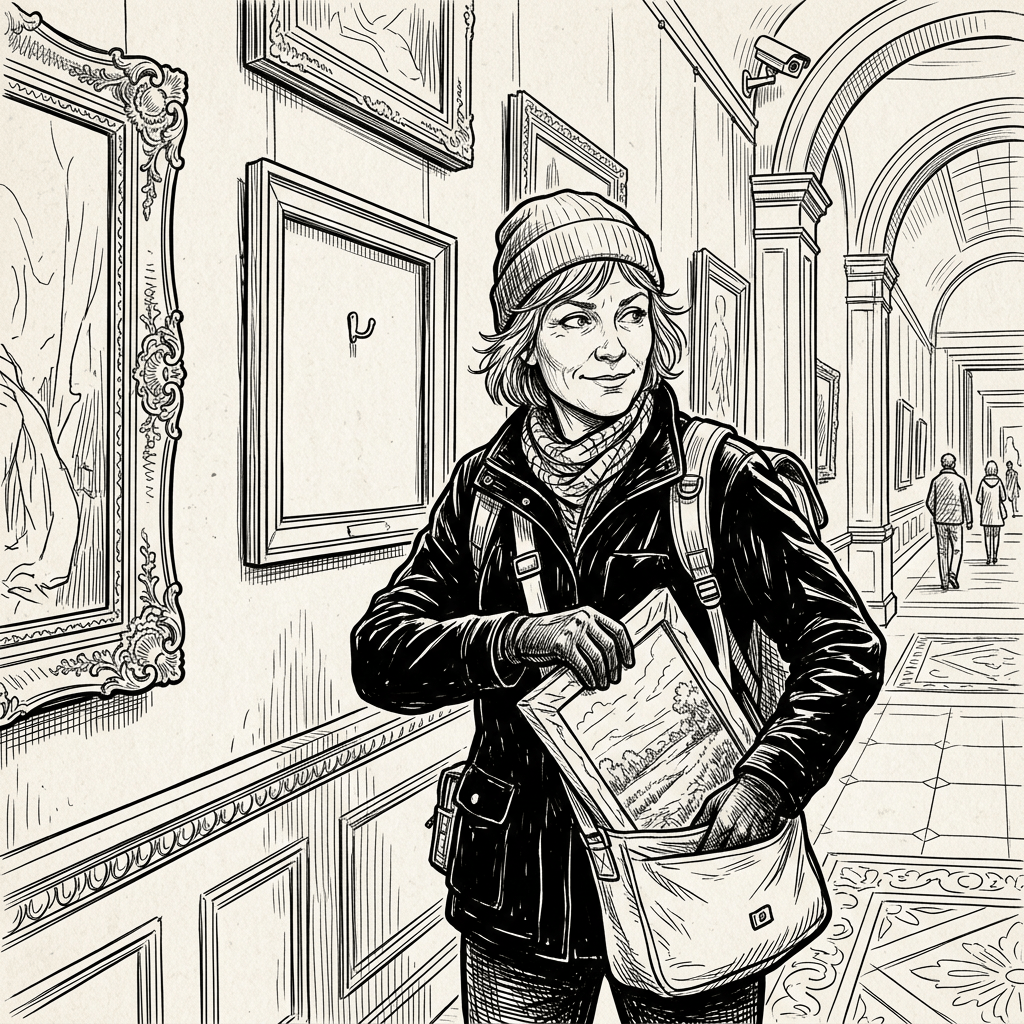
Michael Finkel’s The Art Thief explores the life of Stéphane Breitwieser, a prolific art thief, focusing on the psychological motivations behind his crimes. By examining his thefts not just as criminal acts but as a complex interplay of obsession and aesthetic appreciation, the book invites reflection on art ownership and ethical implications, while questioning narrative…
-
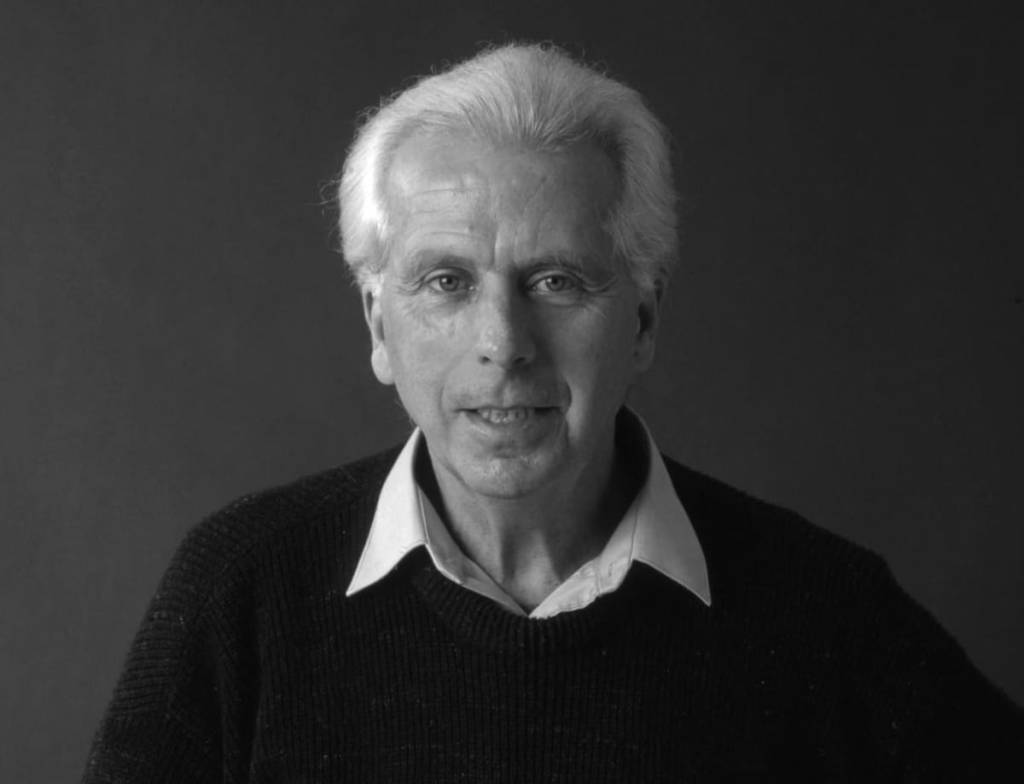
Michel Clouscard (1928–2009) was a significant Marxist philosopher in late twentieth century France, known for critiquing postwar capitalism as “liberal-libertarian.” His work explored the integration of consumer culture and moral permissiveness, challenging dominant poststructuralist views. Clouscard’s insights remain relevant in contemporary discussions about consumerism and social dynamics.
-
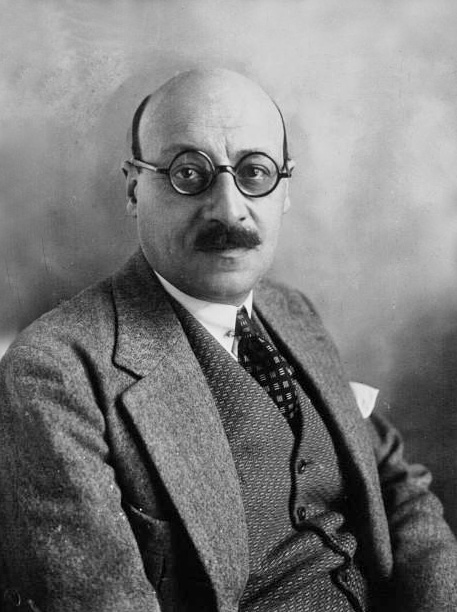
Ludovic-Oscar Frossard, born in 1889, was a pivotal figure in French socialism, transitioning from ethical socialism to communism post-World War I. He played a key role in the Communist Party’s formation but later rejected its authoritarianism. His involvement in the Vichy regime tainted his legacy, leaving him politically isolated until his death in 1946.
-
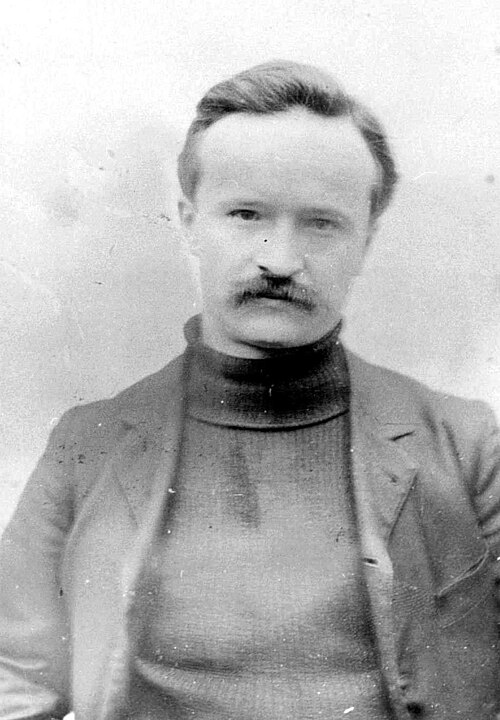
Pierre Monatte was a significant figure in the French labor movement, advocating revolutionary syndicalism and worker autonomy. A co-founder of the French Communist Party, he later criticized its authoritarianism. Monatte emphasized ethical clarity, internationalism, and the necessity of workers’ self-emancipation, leaving a lasting impact on independent Marxist thought.
-
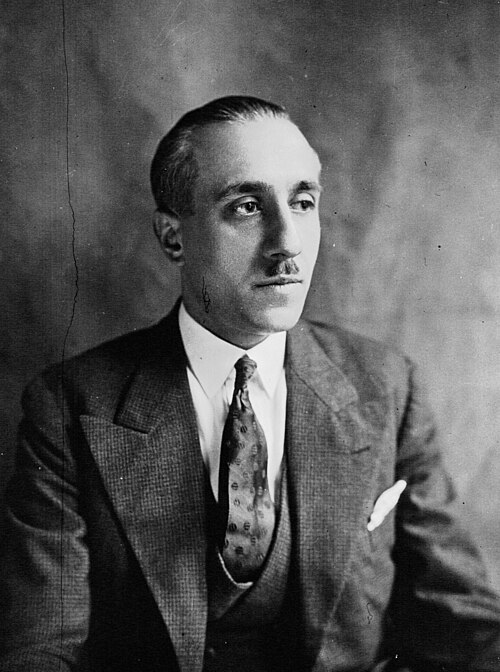
Gabriel Péri wrote as if history were already on fire and no one else could smell the smoke. A communist deputy and journalist, he warned of fascism’s advance before France would listen. Arrested under occupation, he faced execution with quiet resolve, leaving words that outlived the guns that silenced him.
-

Ross King’s “Mad Enchantment” examines Claude Monet’s creation of the Water Lilies within the turmoil of World War I, highlighting this series as both a personal and historical response to grief and chaos. The narrative intertwines Monet’s struggles with vision and the wartime transformation of Giverny, revealing the art’s deeper significance amidst crisis.
-
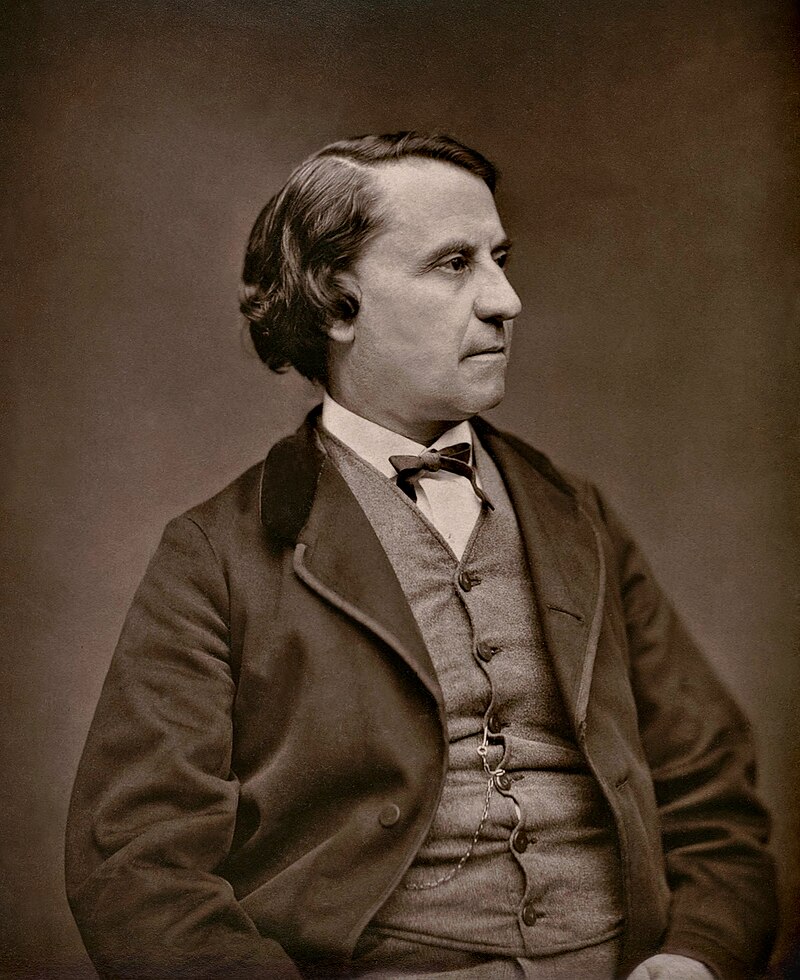
Louis Blanc, a prominent figure in 19th-century French socialist thought, advocated for the “right to work” and proposed state-backed social workshops. His political career peaked during the 1848 revolution but faltered due to mismanagement of workshops. Despite setbacks, his ideas influenced future social democratic movements and emphasized the link between political liberty and economic justice.
-

Sebastian Smee’s Paris in Ruins explores the cultural history of post-Franco-Prussian War Paris, highlighting the interplay of art, politics, and memory. While emphasizing aesthetic dimensions, it occasionally overlooks structural political factors and ordinary Parisians’ perspectives. The book illuminates how destruction informs cultural identity and collective memory, offering valuable insights for scholars and general readers alike.
-
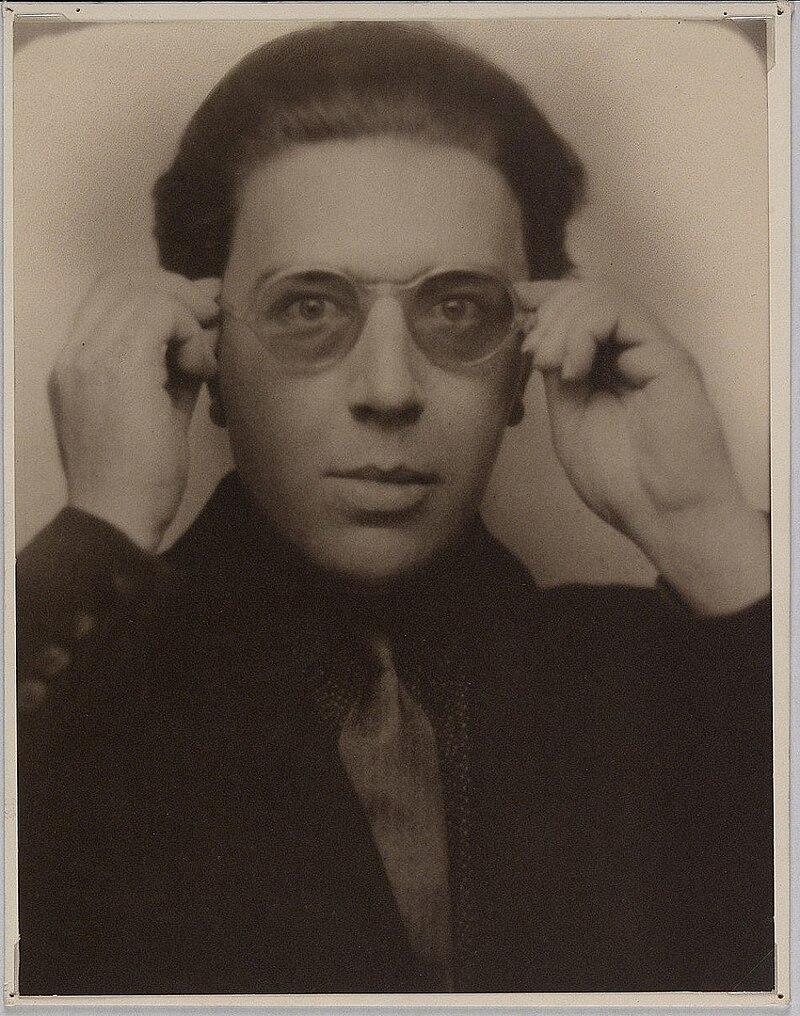
André Breton, born in 1896, was a key figure in Surrealism, blending literary and political pursuits. Initially influenced by Symbolist writers and psychiatry, Breton’s Dada involvement led to automatic writing, defining Surrealism in 1924. His complex relationship with Marxism aimed to connect art and revolution, impacting 20th-century cultural history significantly.
-

Émile Zola’s Money explores finance capitalism and moral decay during the Second Empire through the character Aristide Saccard. While offering insights into 19th-century capitalism and financial mechanisms, the novel suffers from narrative redundancy and lack of psychological depth. It serves as a significant study of Zola’s naturalism but lacks enduring aesthetic power.

