France
-

Alfred Rosmer (1877–1964) was a key yet overlooked figure in early 20th-century socialist movements. A French trade unionist and anti-war activist, he evolved from anarcho-syndicalism to Bolshevism and Trotskyism. His legacy includes advocating for workers’ internationalism, historical scholarship, and principled opposition to Stalinism, reflecting essential revolutionary struggles.
-
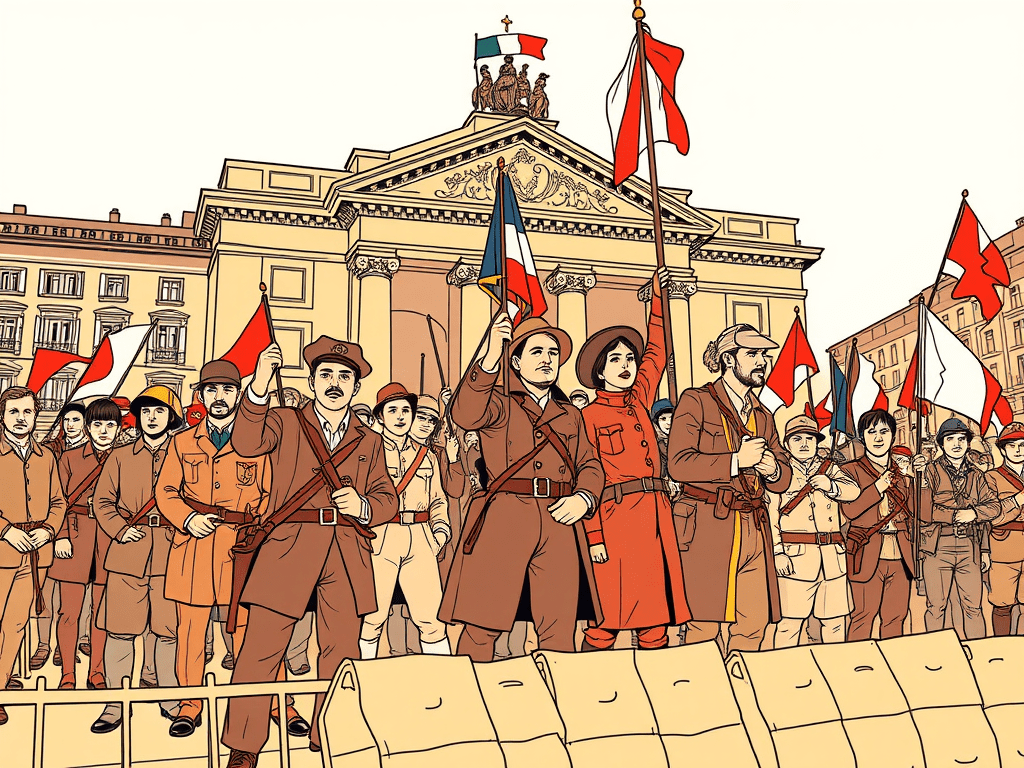
The Paris Commune of 1871 was a pivotal workers’ uprising that resulted in a revolutionary government led by laborers and radicals. Lasting only two months, it implemented radical reforms like council democracy and social welfare. Although brutally suppressed, its legacy continues to inspire socialist movements, illustrating the potential for proletarian self-governance and revolutionary action.
-
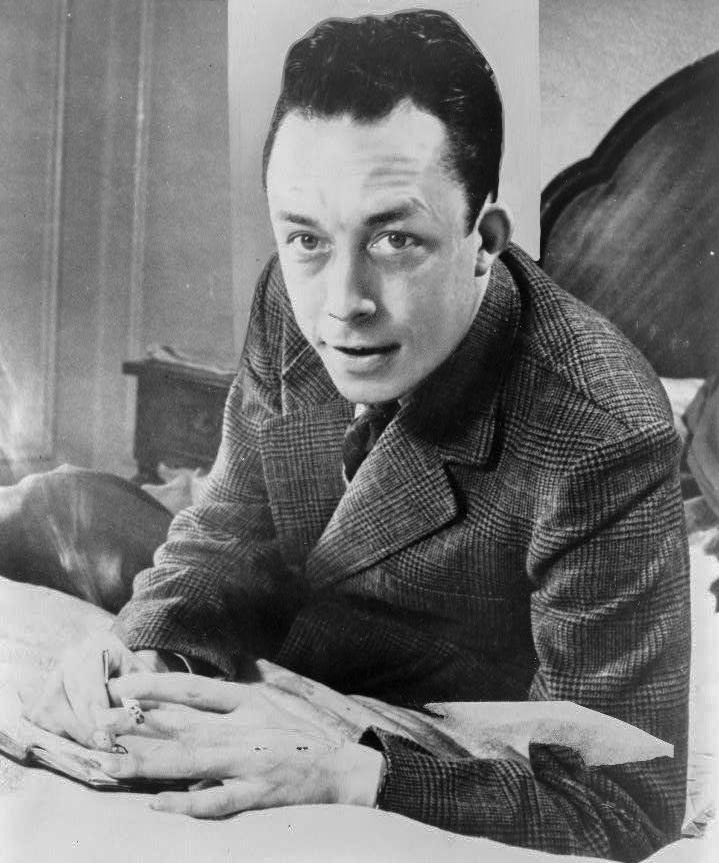
Albert Camus was born in Algeria in 1913 and faced poverty after his father’s death in WWI. He excelled in academics and became involved in politics and theater in the 1930s. Key works like “The Stranger” and “The Myth of Sisyphus” reflect his absurdist philosophy. A Nobel laureate, he remains influential for his ethical stance…
-

Marcel Cachin (1869–1958) was a significant figure in French socialism and communism, instrumental in founding the French Communist Party. His life reflected the evolution of leftist movements in Europe post-World War I. Recognized for his commitment to internationalism and working-class struggles, Cachin’s legacy reveals both idealism and challenges within Communist politics.
-
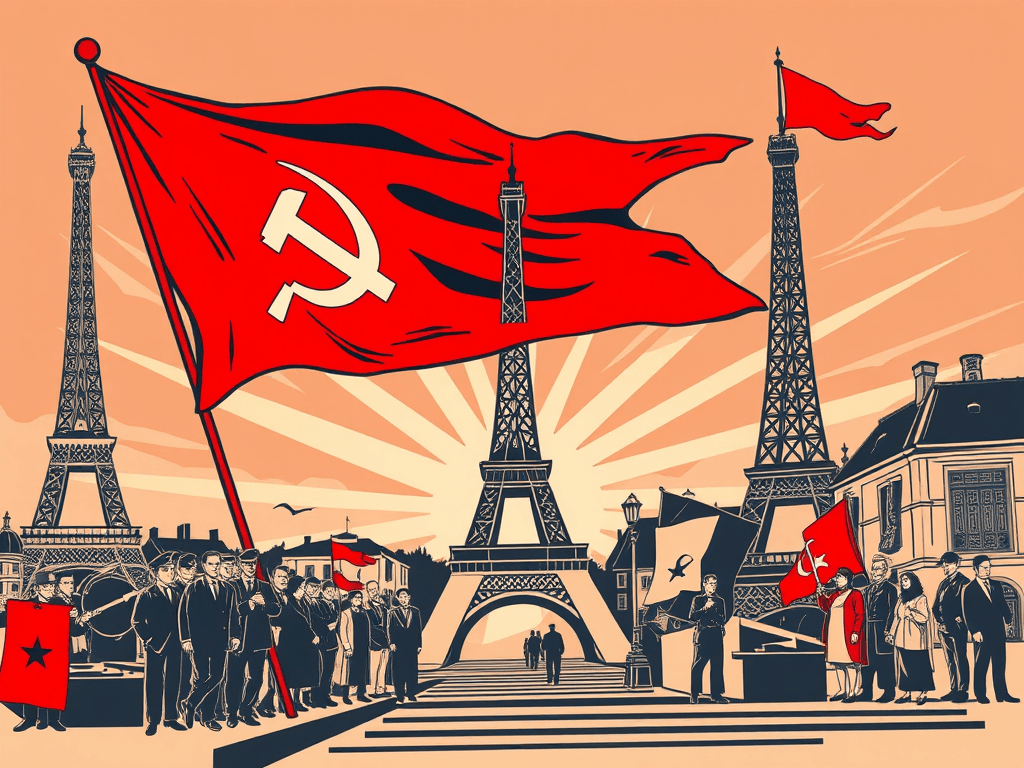
The French Communist Party (PCF), founded in 1920, emerged from a split in socialism, gaining significant influence in 20th-century France. It opposed fascism, contributed to labor rights, and played a pivotal role in the French Resistance during WWII. However, alignment with the Soviet Union and economic shifts diminished its power, but it remains active advocating…
-

Jean Jaurès, a pivotal figure in modern socialism, advocated for peace, workers’ rights, and social justice in France. An eloquent speaker and thinker, he supported universal suffrage and economic reform. Assassinated in 1914 before World War I, Jaurès’s legacy endures in socialist movements, promoting democracy, equality, and international cooperation.
 Letters from Tomis