Book Review
-

Book Review Byatt, A. S. Possession: A Romance. Vintage International, October 1991. Possession: A Romance (1990) stands as one of the most ambitious and formally intricate novels of late twentieth-century British literature. Winner of the 1990 Booker Prize, the novel operates simultaneously as a Victorian pastiche, a contemporary academic satire, a romance, and a sustained…
-
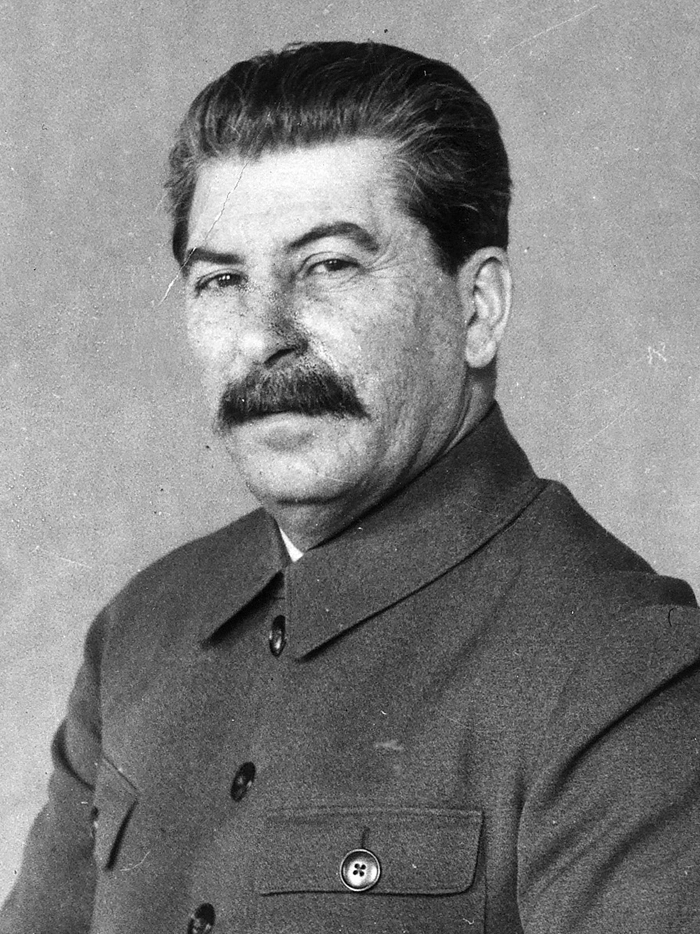
Joseph Stalin’s Dialectical Materialism (1938) serves as a pivotal yet constrictive text in Marxist philosophy, transforming dialectics into an official doctrine aligned with state orthodoxy. By stripping contradictions of their dynamism and reducing philosophy to rigid axioms, it undermines Marx’s historical materialism, ultimately serving political authority over critical inquiry.
-

Aristophanes’ “Frogs” serves as a comedic exploration of cultural authority during Athens’ decline, presenting a contest between Aeschylus and Euripides that reflects class struggles. The play critiques political legitimacy and reforms citizenship while revealing art’s role in societal survival. Ultimately, it underscores the tension between comedy as critique and a tool for maintaining authority.
-

James A. Michener’s Tales of the South Pacific (1947) is a Pulitzer Prize-winning collection of linked short stories reflecting on wartime experiences. It explores themes of race, morality, and the human condition amid war, while navigating U.S. imperialism’s complexities. The narrative’s episodic structure portrays diverse characters, revealing America’s cultural and racial contradictions.
-

George Novack’s “Democracy & Revolution” critically examines bourgeois democracy, arguing it serves as a form of class rule rather than true political freedom. He emphasizes the necessity of revolutionary democracy and proletarian self-governance, rejecting reformism as inadequate. While offering essential insights into capitalism’s limitations, the text lacks engagement with contemporary issues like race and gender.
-
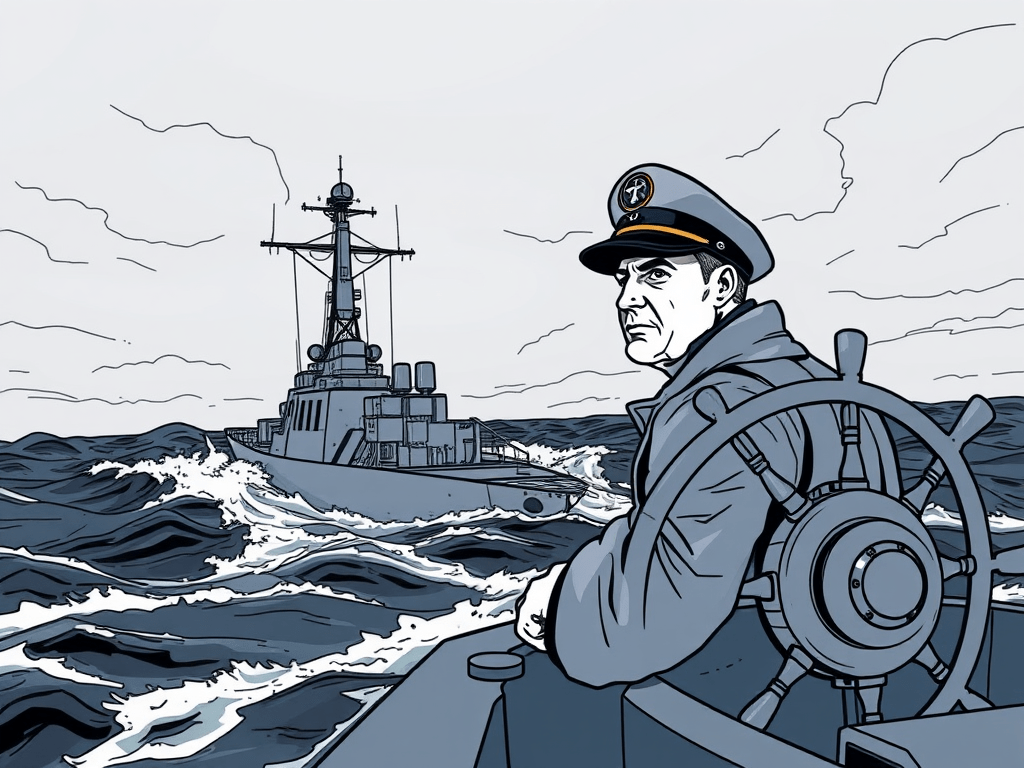
C. S. Forester’s The Good Shepherd (1955) is a naval novel that explores the moral complexities of leadership during World War II. Centered on Captain George Krause’s relentless command of a destroyer escort, it privileges psychological endurance over heroism and highlights ethical decision-making in warfare, emphasizing the burdens of responsibility amidst uncertainty.
-

E. B. White’s “Here Is New York” presents a nuanced exploration of the city’s complex identity, distinguishing between the commuter’s, native’s, and visitor’s experiences. His lyrical yet precise prose captures both the vibrancy and fragility of urban life, highlighting the coexistence of isolation and connection. Despite its limitations, the essay remains a significant reflection on…
-

Stephen Houlgate’s An Introduction to Hegel: Freedom, Truth and History offers a comprehensive yet challenging entry into Hegel’s philosophy, suitable for advanced students. Houlgate presents Hegel’s ideas on freedom, truth, and history systematically, emphasizing coherence and contemporary relevance, while critiquing modern philosophical issues related to relativism and logic.
-

Aristophanes’ “Birds” presents a nuanced critique of Athenian society, highlighting the tensions between utopian aspirations and class power. The protagonists’ escape to Cloudcuckooland reveals how revolutionary impulses can perpetuate existing hierarchies. Through comedy, Aristophanes underscores the failure to achieve genuine transformation, advocating for structural change over mere escapism.
-
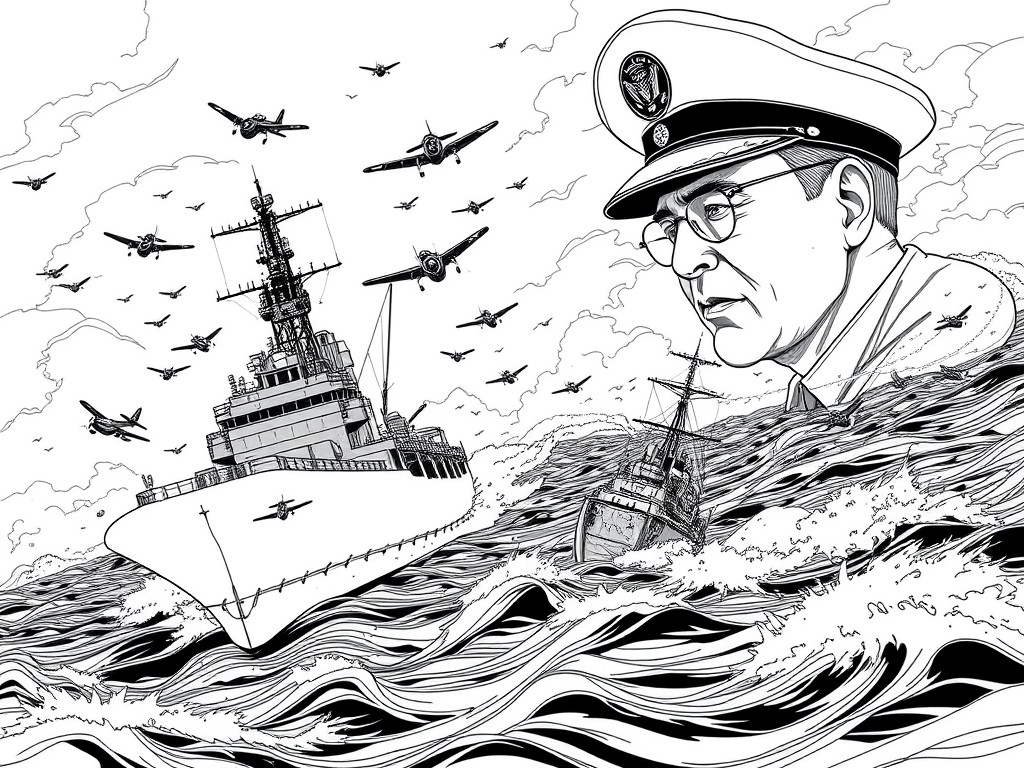
Ian W. Toll’s The Conquering Tide: War in the Pacific Islands, 1942–1944 is a comprehensive narrative of the U.S. military’s evolution during World War II. Bridging key events, it emphasizes logistics, human experiences, and the complexities of warfare while critiquing prevailing historiographies. Despite some limitations, it remains an essential scholarly work.
 Letters from Tomis