My Socialist Hall of Fame
During this chaotic era of vile rhetoric and manipulative tactics from our so-called bourgeois leaders, I am invigorated by the opportunity to reflect on Socialists, Revolutionaries, Philosophers, Guerrilla Leaders, Partisans, and Critical Theory titans, champions, and martyrs who paved the way for us—my own audacious “Socialism’s Hall of Fame.” These are my heroes and fore-bearers. Not all are perfect, or even admirable, but all contributed in some way to our future–either as icons to emulate, or as warnings to avoid in the future.
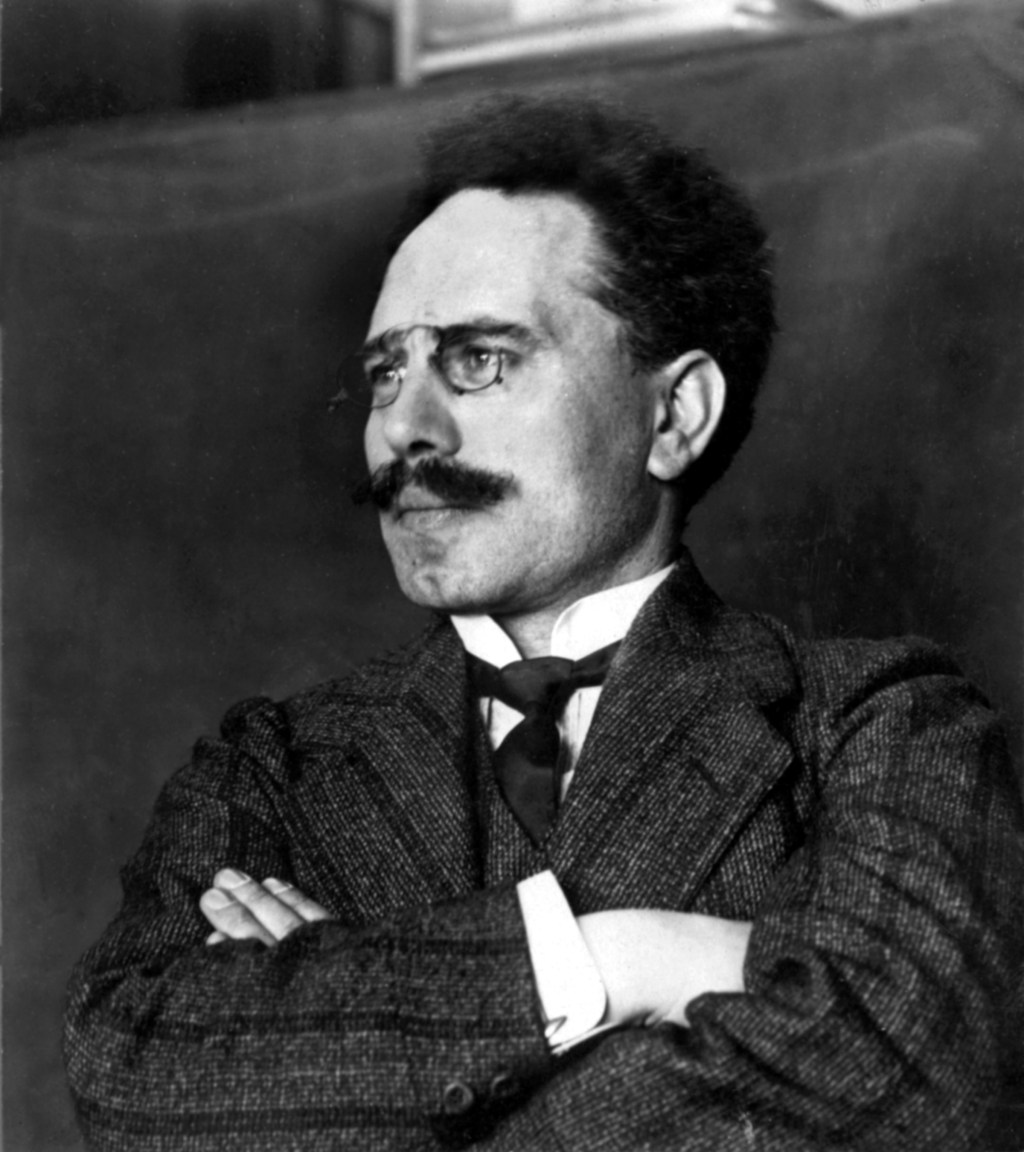
Karl Liebknecht, along with Rosa Luxemburg, are symbols of socialist hope against imperialism, militarism, and capitalism. Their unwavering dedication to the principles of justice and equality inspired countless individuals to rise against oppressive systems. Both have long been my heroes, representing not just the struggle of their time but also a timeless fight for the rights of the working class and the marginalized. Their writings and actions continue to resonate, reminding us of the importance of solidarity and resistance in the face of exploitation, urging us to envision a brighter, more equitable future for all.
Early Life and Education
Karl Paul August Friedrich Liebknecht was born on August 13, 1871, in Leipzig, Germany. He was the son of Wilhelm Liebknecht, a prominent socialist and co-founder of the Social Democratic Party of Germany (SPD). Karl grew up in a politically engaged household, deeply influenced by his father’s revolutionary ideals. He pursued law and political economy, studying at the universities of Leipzig and Berlin. After completing his studies, he worked as a lawyer, often defending political dissidents and trade unionists.
Political Career
Liebknecht joined the SPD and became active in its left wing. He was deeply opposed to militarism and capitalism, viewing them as intertwined systems of oppression. In 1907, he gained notoriety for his book Militarism and Anti-Militarism, which criticized the German military and its role in society. His outspoken stance led to his arrest and imprisonment for 18 months.
In 1912, Liebknecht was elected to the Reichstag, representing the SPD. He soon became a vocal critic of Germany’s imperialist policies and militarization. With the outbreak of World War I in 1914, Liebknecht broke with the SPD leadership, which supported the war. He was the only member of the Reichstag to vote against war credits in 1914, marking a pivotal moment in his career. His anti-war stance made him a leading figure in the radical left.
The Spartacus League and Revolutionary Activities
In 1915, Liebknecht co-founded the Spartacus League (Spartakusbund) with Rosa Luxemburg and others. The league sought to mobilize workers against the war and promote revolutionary socialism. Liebknecht’s activities included organizing strikes, distributing anti-war literature, and calling for the overthrow of the monarchy.
In May 1916, Liebknecht was arrested during an anti-war demonstration in Berlin and sentenced to prison. His imprisonment turned him into a martyr for the socialist cause. Released in October 1918 amid growing unrest, he immediately resumed his revolutionary activities.
During the German Revolution of 1918–1919, Liebknecht played a central role in the uprisings that sought to replace the German monarchy with a socialist government. On January 1, 1919, he helped found the Communist Party of Germany (KPD).
Assassination and Legacy
On January 15, 1919, Karl Liebknecht and Rosa Luxemburg were arrested by right-wing paramilitary forces, the Freikorps, during the suppression of the Spartacist Uprising. They were brutally murdered, with Liebknecht shot and Luxemburg beaten to death. Their deaths marked a tragic turning point for the German revolutionary left.
Liebknecht remains a symbol of resistance to militarism and capitalism. His writings and actions continue to inspire socialist and anti-war movements worldwide.
Bibliography
1. Liebknecht, Karl. Militarism and Anti-Militarism. Leipzig: Verlag der Jugendinternationale, 1907.
2. Liebknecht, Karl. The Future Belongs to the People: Speeches Made Since the Beginning of the War. New York: B.W. Huebsch, 1918.
3. Fowkes, Ben. Karl Liebknecht and the German Revolution. New York: Palgrave Macmillan, 1989.
4. Luxemburg, Rosa, and Karl Liebknecht. Revolutionary Writings. London: Verso, 2014.
5. Nettl, J.P. Rosa Luxemburg. New York: Oxford University Press, 1966.
6. Wheeler-Bennett, John. The Nemesis of Power: The German Army in Politics, 1918–1945. New York: Palgrave Macmillan, 1967.
 Letters from Tomis
Leave a comment