Italy
-

Giacomo Matteotti, a prominent reformist socialist and critic of Mussolini, became a symbol of anti-fascist resistance after his assassination in 1924. His commitment to parliamentary democracy and opposition to fascism marked him as a key political figure in Italy. Matteotti’s legacy endures as a moral champion for democracy amidst authoritarianism.
-
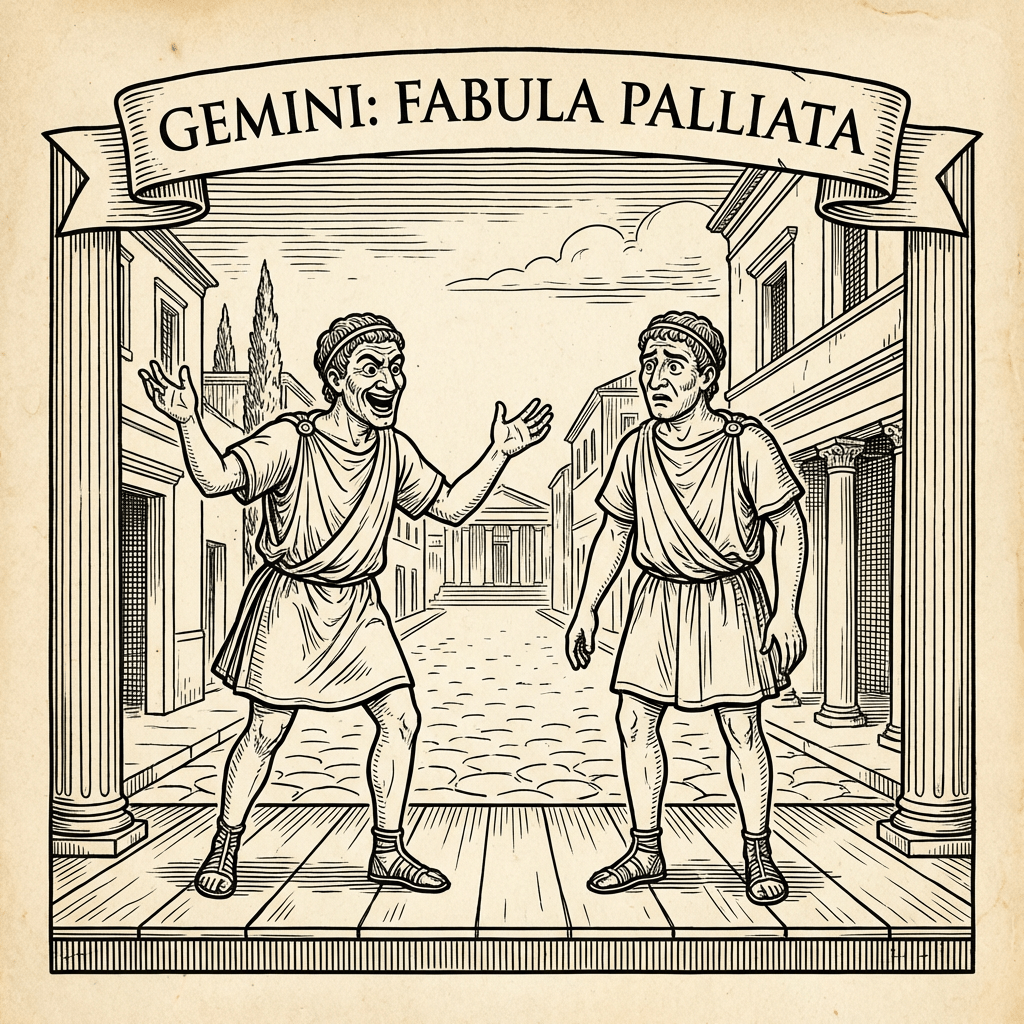
Plautus’s Aulularia, edited by Wolfgang de Melo, is a Roman comedy focused on the themes of avarice and social anxiety through the character of Euclio, a miser whose hidden wealth becomes a source of paranoia. The play critiques economic tensions and highlights how obsession isolates individuals, revealing the complexities of wealth and trust in society.
-

Gianni Vattimo (1936–2023) was a prominent Italian philosopher known for his concept of “weak thought,” which reinterprets continental philosophy amid nihilism and secularization. His philosophy integrates hermeneutics and Christianity, emphasizing ethical interpretations over dogma. A political figure, he advocated for social justice, leaving a lasting impact on postmodern philosophical discourse.
-
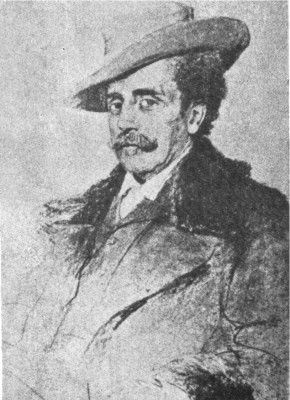
Antonio Labriola emerged as a pivotal figure in Italian Marxism, advocating for historical materialism as a critical method rather than a doctrine. His intellectual independence influenced both Benedetto Croce and Antonio Gramsci, emphasizing praxis and collective human activity. Labriola’s works reshaped socialism, linking theory with political education amid Italy’s socio-political turmoil.
-

Dino Buzzati’s The Stronghold, newly translated by Lawrence Venuti, presents an allegorical critique of militarism and authoritarianism through the character of Giovanni Drogo, whose life exemplifies passive waiting. This translation emphasizes the political undercurrents of Buzzati’s narrative, provoking revolutionary interpretations of alienation, hierarchy, and systemic power.
-
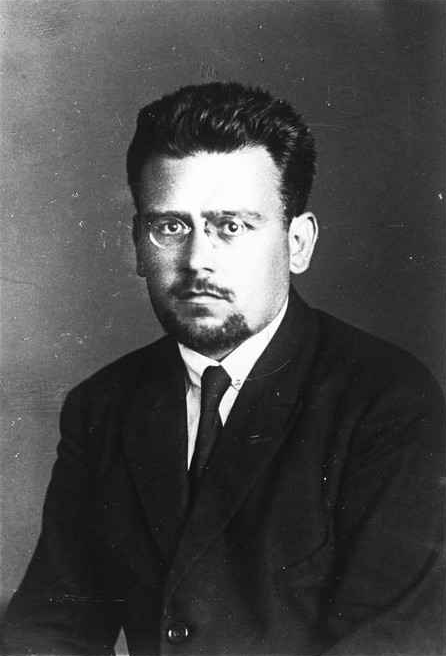
Amadeo Bordiga (1889–1970) was a pivotal, contentious figure in international communism, known for founding the Italian Communist Party. His rigorous critiques of reformism, parliamentary democracy, and Stalinism shaped left communism. Despite political marginalization, Bordiga’s theoretical contributions continue to influence contemporary Marxist discourse and debates about revolutionary practice.
-
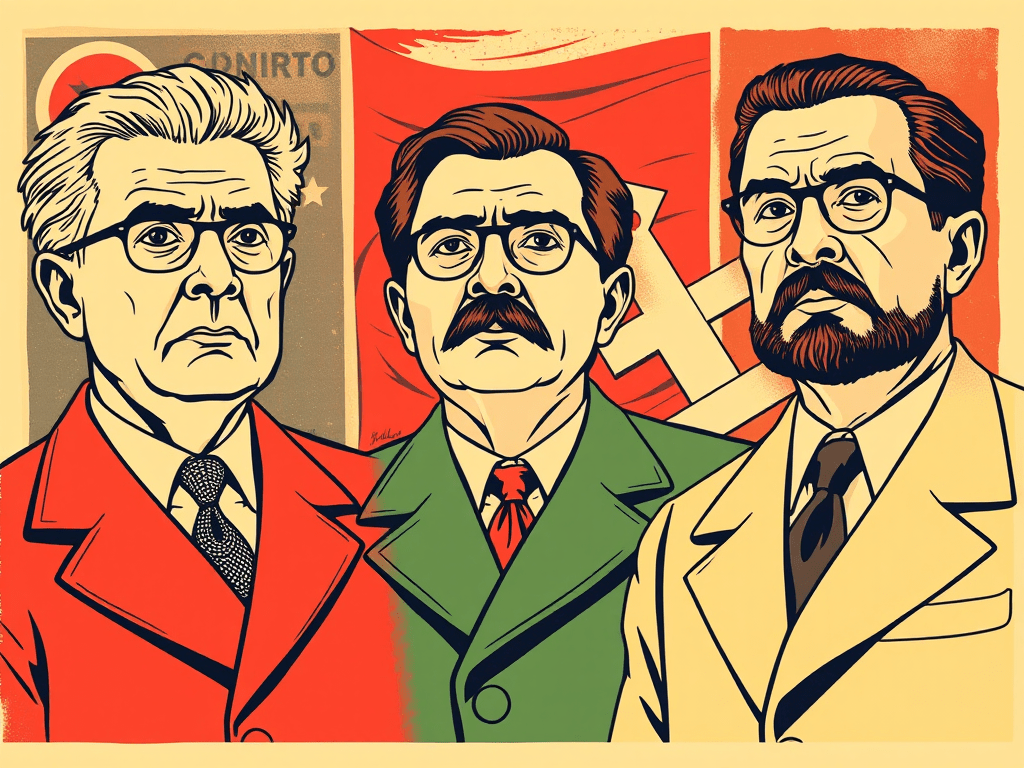
The Italian Communist Party (PCI), established in 1921, evolved from a revolutionary group to a significant democratic socialist force before dissolving in 1991. Key leaders like Gramsci and Berlinguer shaped its ideology, balancing Stalinist influences with democratic reforms. Its dissolution marked a pivotal transition in European politics, reflecting broader historical changes.

