Aristophanes
-
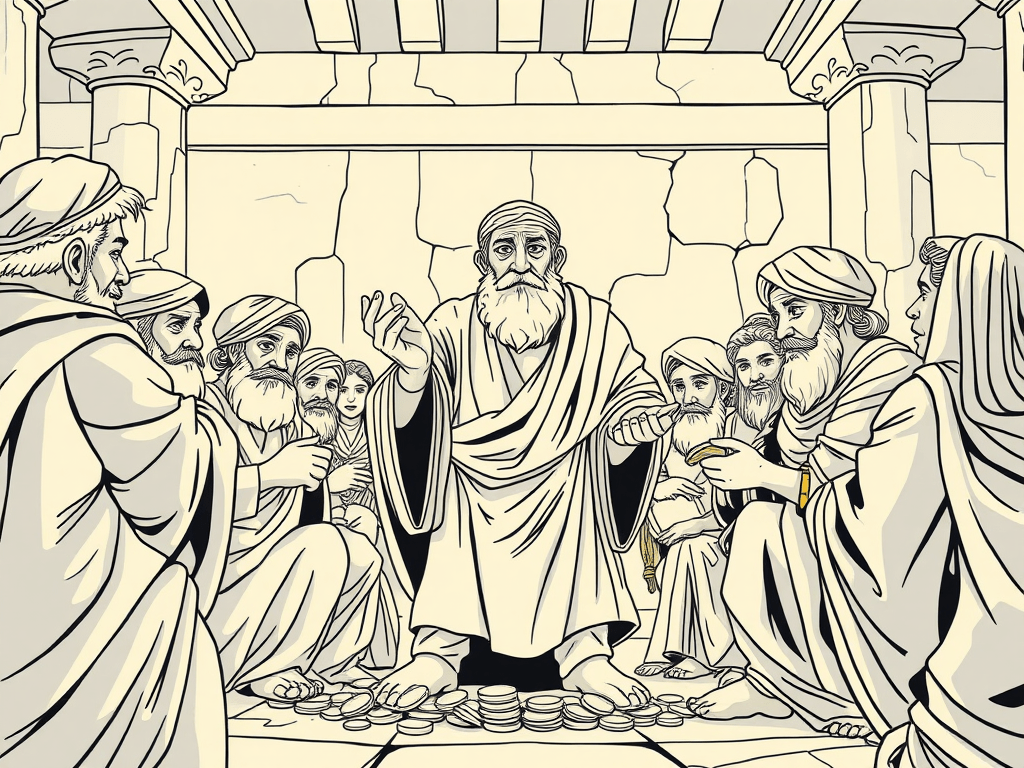
Aristophanes’s “Wealth” critiques social inequality through the character of Ploutos, illustrating how wealth distribution is morally flawed rather than a critique of ownership. The play highlights the paradox of poverty as a necessary discipline for labor while framing solutions within a conservative, reformist ideology that seeks comfort for the middle class rather than systemic change.
-
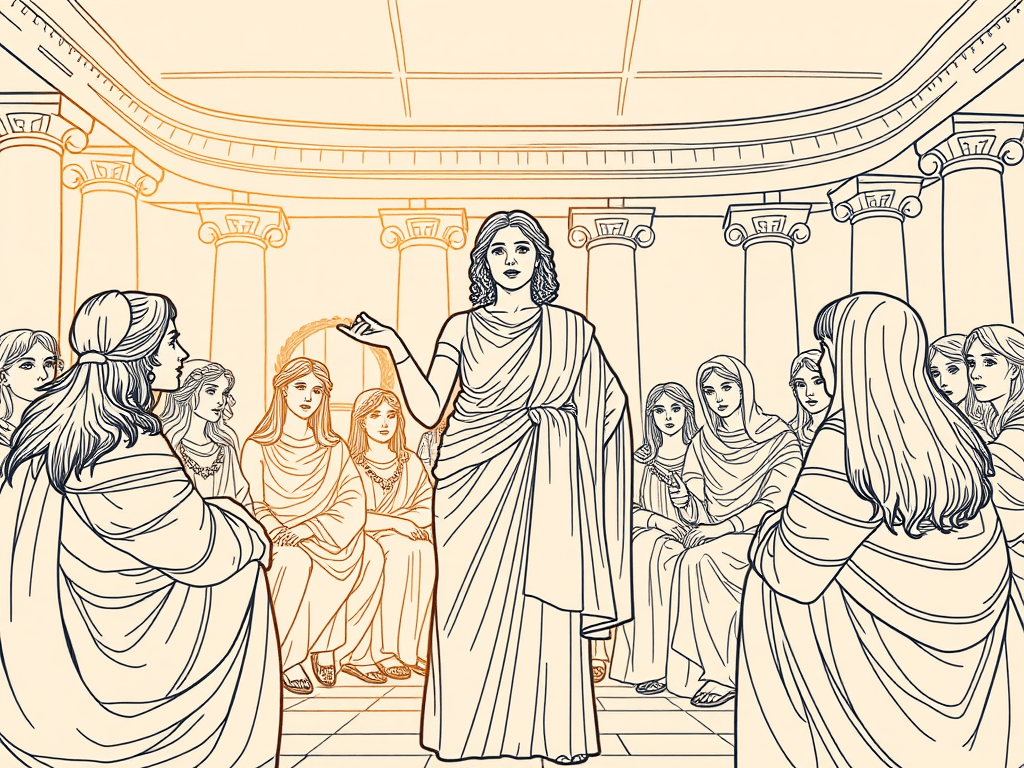
Aristophanes’s “Assemblywomen,” produced in the early fourth century BCE, explores women’s political agency through satire. The play reflects Athens’s post-war discontent, merging politics with sexual economy. Protagonist Praxagora advocates for radical reforms, critiquing male governance. The comedy highlights the complexities and dangers of egalitarianism in a struggling democracy, revealing political exhaustion.
-

Aristophanes’ “Frogs” serves as a comedic exploration of cultural authority during Athens’ decline, presenting a contest between Aeschylus and Euripides that reflects class struggles. The play critiques political legitimacy and reforms citizenship while revealing art’s role in societal survival. Ultimately, it underscores the tension between comedy as critique and a tool for maintaining authority.
-
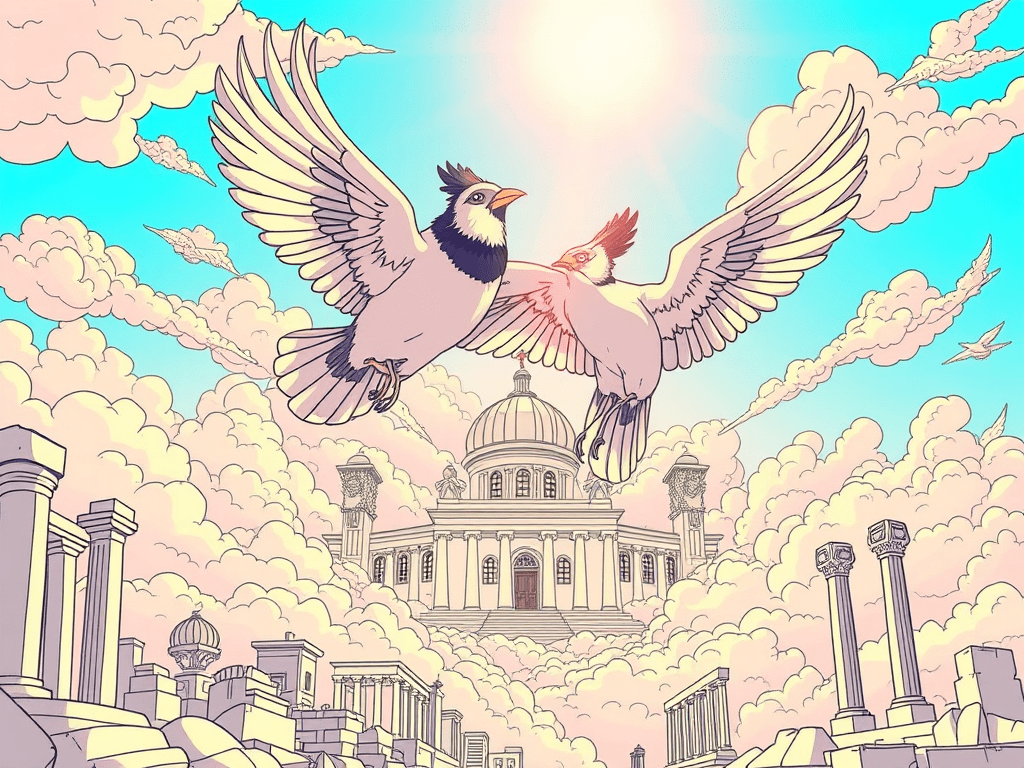
Aristophanes’ “Birds” presents a nuanced critique of Athenian society, highlighting the tensions between utopian aspirations and class power. The protagonists’ escape to Cloudcuckooland reveals how revolutionary impulses can perpetuate existing hierarchies. Through comedy, Aristophanes underscores the failure to achieve genuine transformation, advocating for structural change over mere escapism.

