-
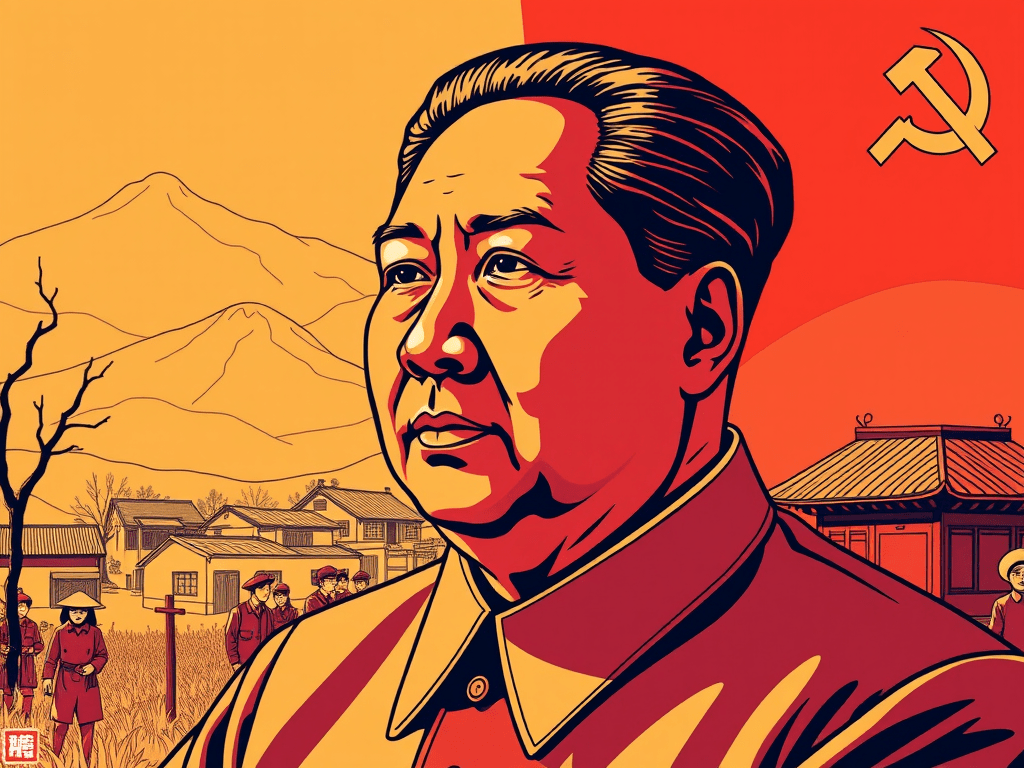
The Chinese Communist Party (CCP) underwent significant ideological evolution under Mao Zedong from 1921 to 1976, adapting Marxism-Leninism to Chinese realities. Key innovations included Mao Zedong Thought, the Mass Line, peasant-centered revolution, and democratic centralism. These concepts shaped the CCP’s strategies, aimed at socialist construction, continuous class struggle, and integrating theory with practice.
-
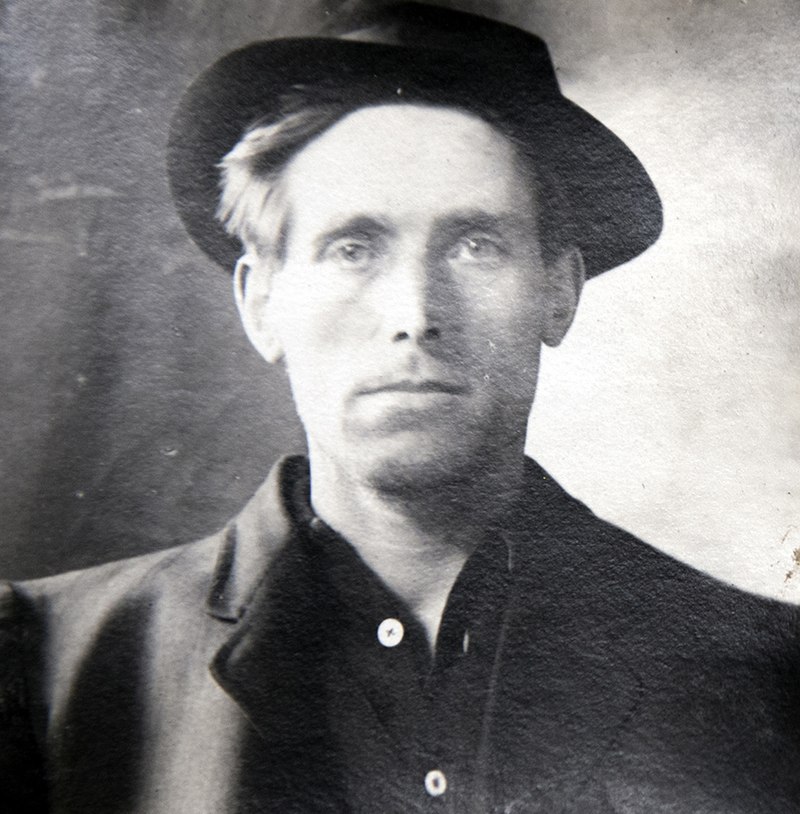
Joe Hill, a Swedish-American labor activist and songwriter, was a key figure in the Industrial Workers of the World (IWW) and became a martyr for labor rights. Arrested in 1914 for murder, his conviction sparked wide protests. Executed in 1915, his songs and legacy inspire ongoing labor activism and cultural expression.
-
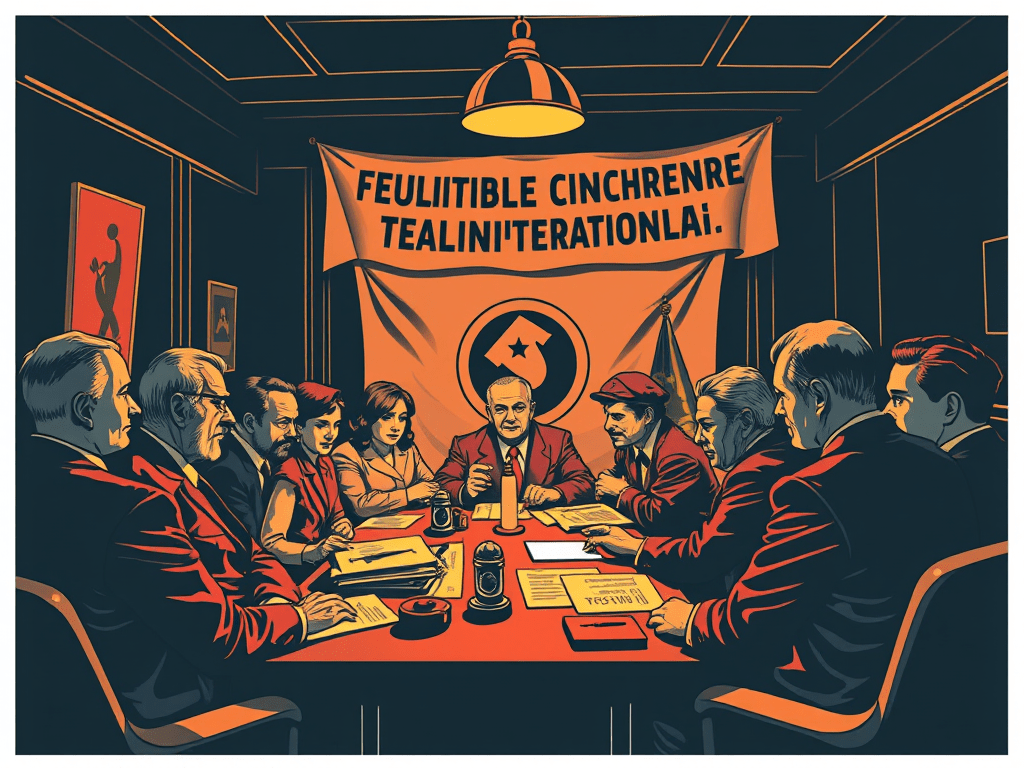
The Fourth International, founded in 1938 by Trotskyists, aimed to unite Marxists for global revolution against Stalin’s Comintern. Despite its revolutionary ambitions, it faltered due to adverse conditions post-World War II, internal divisions, and repression. Its legacy persists today in various Trotskyist groups, still advocating international socialism.
-

Howard Zinn, born in 1922 to immigrant parents, became a prominent historian and activist after experiencing poverty and injustice. He taught at Spelman College and Boston University, focusing on civil rights and antiwar movements. His influential book, A People’s History of the United States, reshaped historical perspectives, emphasizing marginalized voices. Zinn’s legacy endures through ongoing…
-

Structural Marxism emerged in the 1960s, critiquing Stalinist economism and humanist Marxism through thinkers like Althusser and Poulantzas, who emphasized social structures’ supremacy over individual agency. Their theories on ideology, state, and class struggle remain relevant today, informing analyses of modern capitalism and emphasizing the significance of ideological apparatuses and class relations.
-

Frida Kahlo (1907–1954) was a prominent Mexican artist known for her self-portraits that explored identity, gender, and class struggle through a socialist lens. Influenced by her tumultuous life experiences, marriage to Diego Rivera, and communist activism, her politically charged works critique capitalism and imperialism, solidifying her legacy as a cultural icon.
-
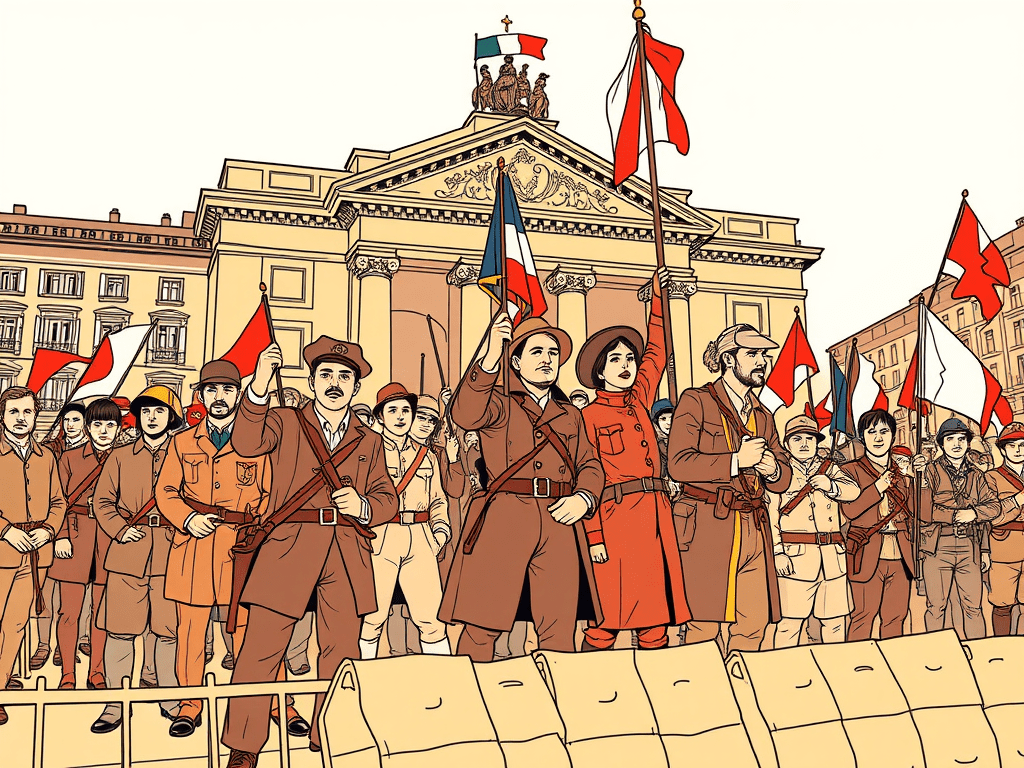
The Paris Commune of 1871 was a pivotal workers’ uprising that resulted in a revolutionary government led by laborers and radicals. Lasting only two months, it implemented radical reforms like council democracy and social welfare. Although brutally suppressed, its legacy continues to inspire socialist movements, illustrating the potential for proletarian self-governance and revolutionary action.
-

Michael Parenti is a prominent American Marxist scholar whose extensive work critiques capitalism, imperialism, and corporate media. His career reflects a commitment to accessible radical education, influenced by his working-class roots. Despite marginalization in academia, Parenti’s writings have significantly shaped anti-capitalist movements and continue to resonate with contemporary socialist activism.
-
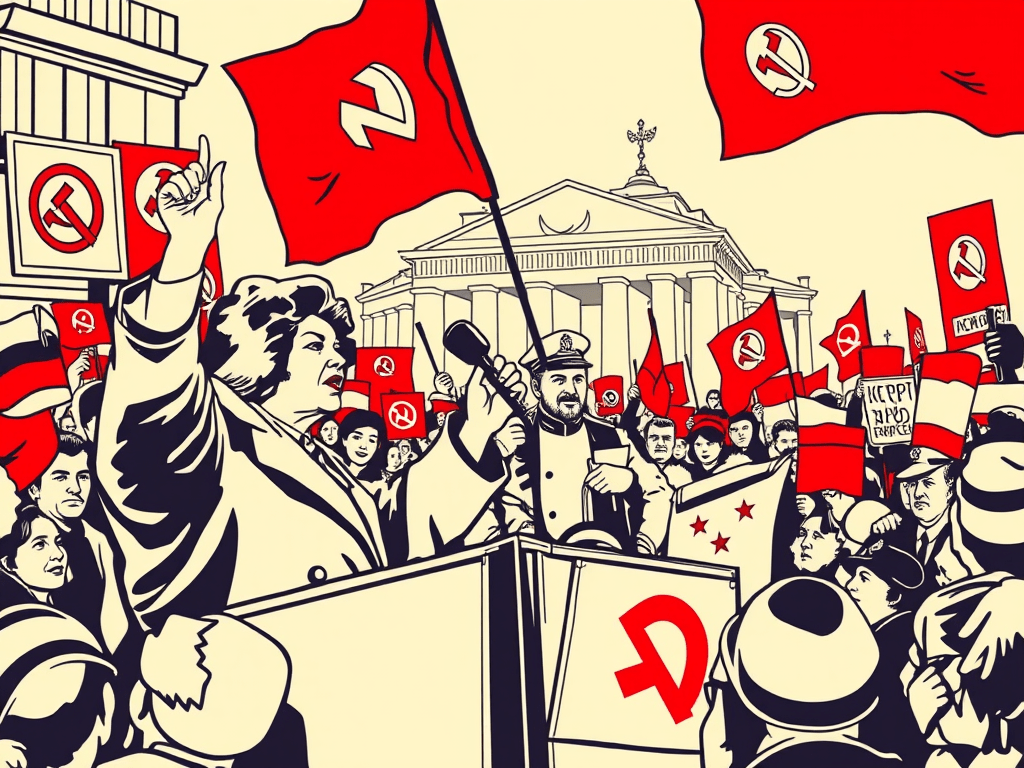
The German Communist Party (KPD) was founded in 1918, evolving through revolutionary turmoil and ideological shifts, primarily influenced by Luxemburgism and Marxism-Leninism. It ultimately faced repression under the Nazis and later transformed into the Socialist Unity Party in East Germany, while being banned in West Germany. The KPD’s complex legacy reflects its commitment to socialism,…
-

James Patrick Cannon (1890–1974) was a key figure in American socialism and Trotskyism. He co-founded the Communist Labor Party and later the Socialist Workers Party (SWP), advocating for revolutionary organizing and anti-Stalinism. His legacy, including influential writings and prison correspondence, significantly shaped the American left’s strategies and understanding.
-
Subscribe
Subscribed
Already have a WordPress.com account? Log in now.
 Letters from Tomis