-

Aristotle’s Poetics is a cornerstone of literary theory exploring tragedy and aesthetics, yet it reflects the ideological biases of ancient Athenian society. From a Marxist view, it reinforces class hierarchies and serves conservative functions in art, necessitating historical materialist reinterpretation to understand underlying socio-economic conditions influencing artistic production.
-
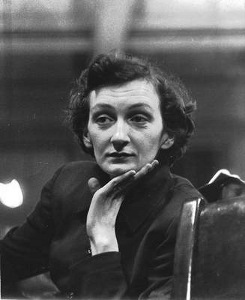
Anne McCarty Braden (1924–2006) evolved from a segregationist upbringing to become a prominent white ally in the civil rights movement. Her activism, sparked by the Turner case, emphasized the structural nature of racism and the necessity of anti-capitalist transformation, creating a lasting legacy of interracial solidarity and dissent against oppression.
-
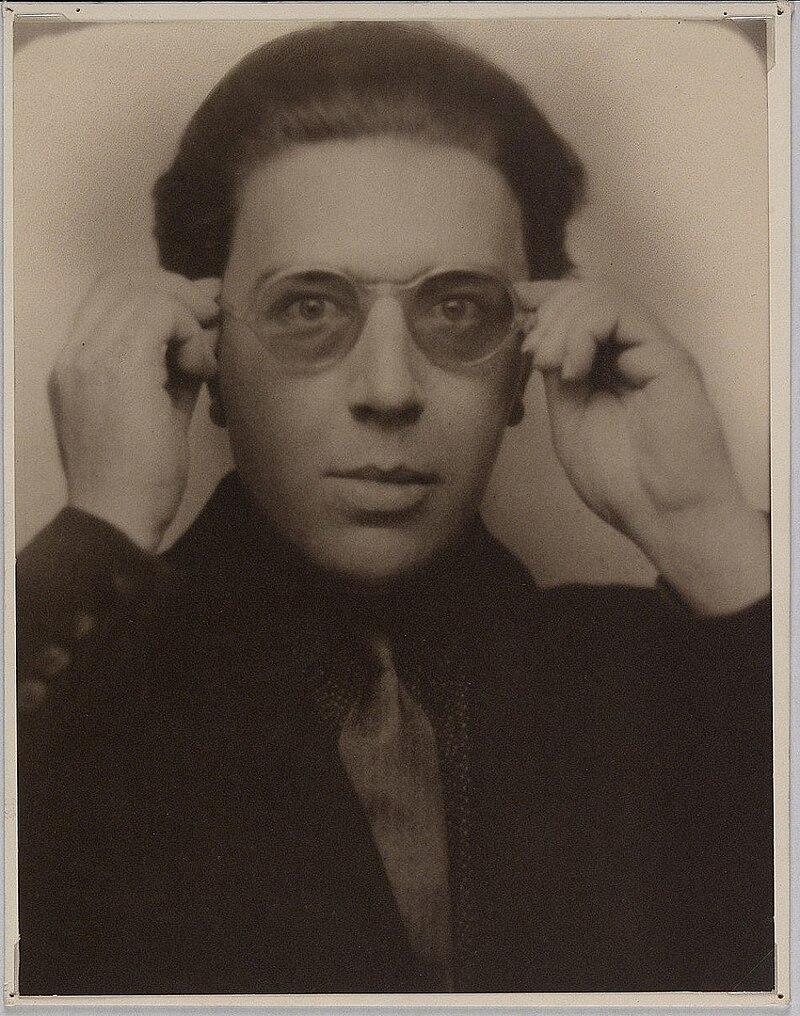
André Breton’s Nadja, a key Surrealist work, intertwines memoir and novel, exploring themes of alienation, desire, and bourgeois rationalism through the character of Nadja. Mark Polizzotti’s translation preserves the text’s complexity, highlighting its paradoxes. The narrative critiques capitalist culture while exposing gendered contradictions in artistic liberation, making it vital for Marxist discourse.
-
André Breton, born in 1896, was a key figure in Surrealism, blending literary and political pursuits. Initially influenced by Symbolist writers and psychiatry, Breton’s Dada involvement led to automatic writing, defining Surrealism in 1924. His complex relationship with Marxism aimed to connect art and revolution, impacting 20th-century cultural history significantly.
-

James Davidson’s “Courtesans and Fishcakes” explores Athenian social life through a lens of consumption, emphasizing class relations and material production. By focusing on food, sex, and political discourse, Davidson reveals how pleasures are intertwined with labor exploitation in a slave-based economy, prompting a Marxist critique of cultural practices and underlying socio-economic frameworks.
-
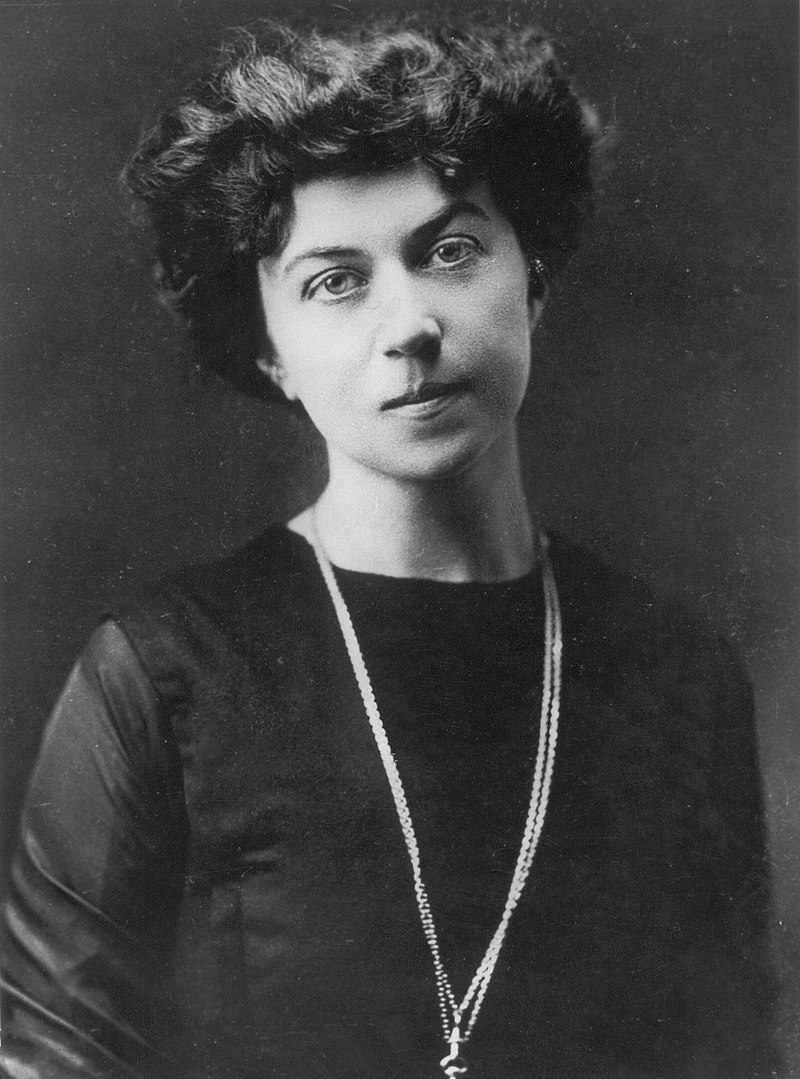
Alexandra Kollontai (1872–1952), a prominent socialist and the first female minister in history, challenged gender oppression under capitalism through Marxist ideology. A key figure in the Bolshevik Revolution, she advocated for women’s rights and social reforms, later criticizing bureaucratic centralization. Despite her marginalization, her feminist theories continue to influence contemporary thought.
-
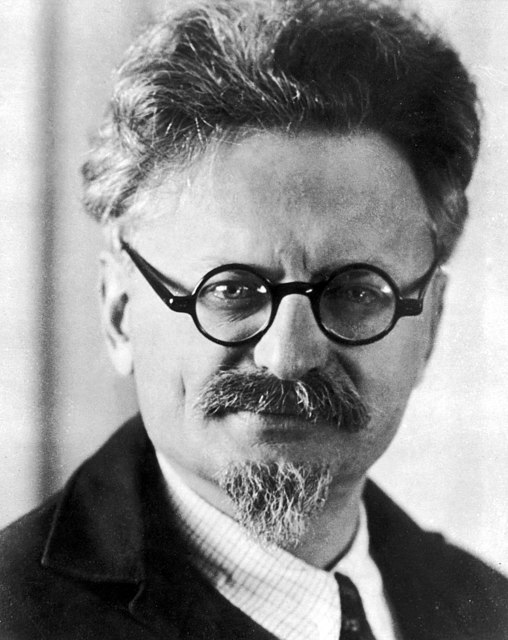
Leon Trotsky’s Marxism in Our Time (1939) reasserts the relevance of Marxist theory amidst global crises. Trotsky defends Marxism against claims of obsolescence, arguing it remains vital for understanding capitalist contradictions and fighting bureaucracy. His analysis underscores the necessity of revolutionary action and internationalism, making it crucial for contemporary struggles against oppression.
-
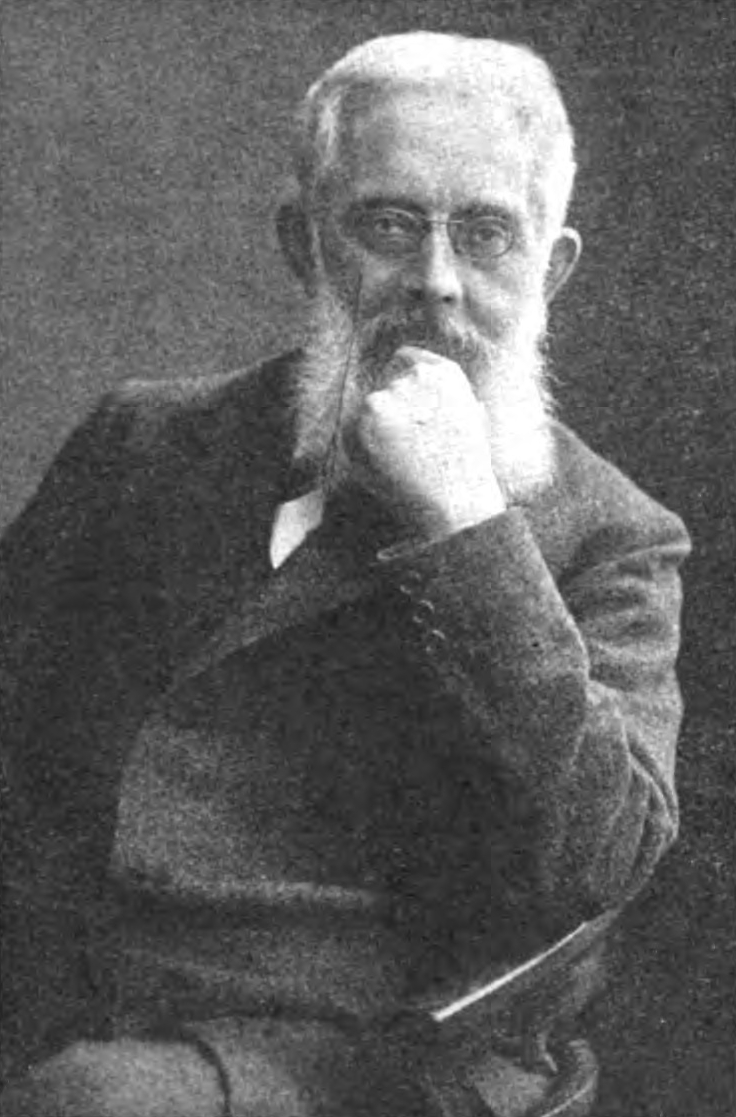
Franz Mehring (1846–1919) was a crucial figure in German Marxism, serving as historian, journalist, and political activist. His works, including a biography of Marx, highlight class struggle and critique bourgeois historiography. A founding member of the KPD, he embodied the tensions within socialism and left a lasting legacy in historical and literary criticism.
-

Samuel Beckett’s “Waiting for Godot,” published by Grove Press in 1954, exemplifies the “Theatre of the Absurd.” Its minimalist structure and circular dialogue challenge conventional interpretations, reflecting existential and political themes. The edition highlights Beckett’s linguistic precision and openness, rewarding deep study, yet its ambiguity can frustrate those seeking clearer meanings.
-

Stuart Hall (1932–2014) was a pivotal cultural theorist and founding figure in British Cultural Studies. His work explored media, race, identity, and political ideology, significantly shaping debates in cultural studies and critical race theory. Hall’s influence endures through his critical analyses of identity, power, and representation.
-
Subscribe
Subscribed
Already have a WordPress.com account? Log in now.
 Letters from Tomis