-
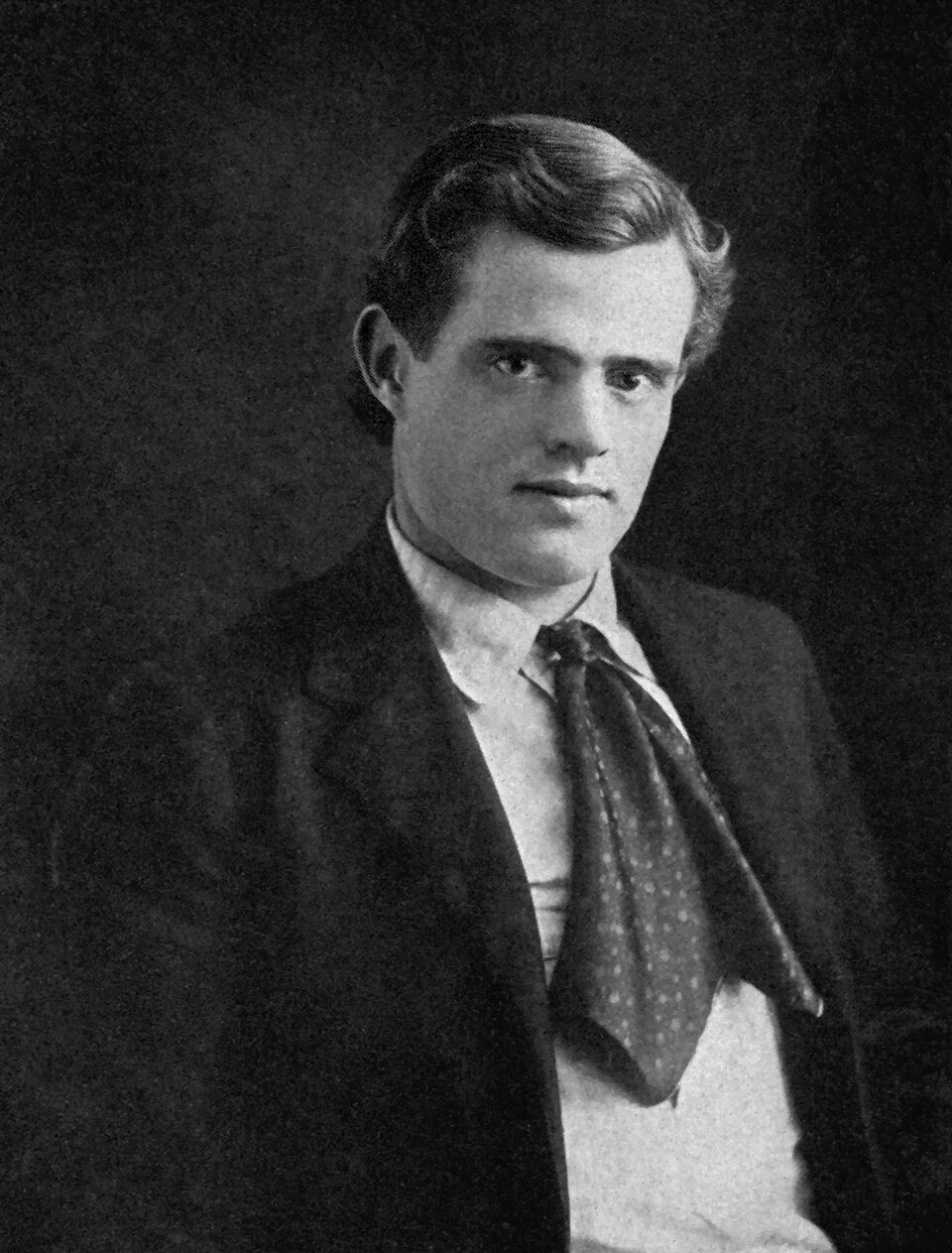
Jack London, a prominent American author of the early 20th century, is known for adventure novels like The Call of the Wild. His works reflect engagement with industrial capitalism and socialism, stemming from personal experiences with class struggle. London’s socialist convictions permeate his fiction, portraying the dehumanizing effects of capitalism while critiquing rugged individualism.
-

Erich Fromm’s The Art of Loving reframes love as an art requiring knowledge and practice rather than a mere emotion. It explores defining elements of love and critiques the commodification of relationships in capitalist societies. Despite its limitations regarding gender and contemporary forms of love, it remains a pivotal work linking personal and social transformation.
-

Sebastian Smee’s Paris in Ruins explores the cultural history of post-Franco-Prussian War Paris, highlighting the interplay of art, politics, and memory. While emphasizing aesthetic dimensions, it occasionally overlooks structural political factors and ordinary Parisians’ perspectives. The book illuminates how destruction informs cultural identity and collective memory, offering valuable insights for scholars and general readers alike.
-
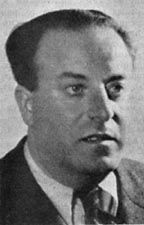
Ignace Reiss, born Nathan Poretsky in 1899, was a Bolshevik revolutionary and Soviet intelligence operative disillusioned by Stalin’s regime. Defecting in 1937, he denounced Stalinism as a betrayal of revolutionary ideals. His assassination shortly after exemplified the regime’s brutality against dissenters and marked him as a martyr for anti-Stalinists.
-
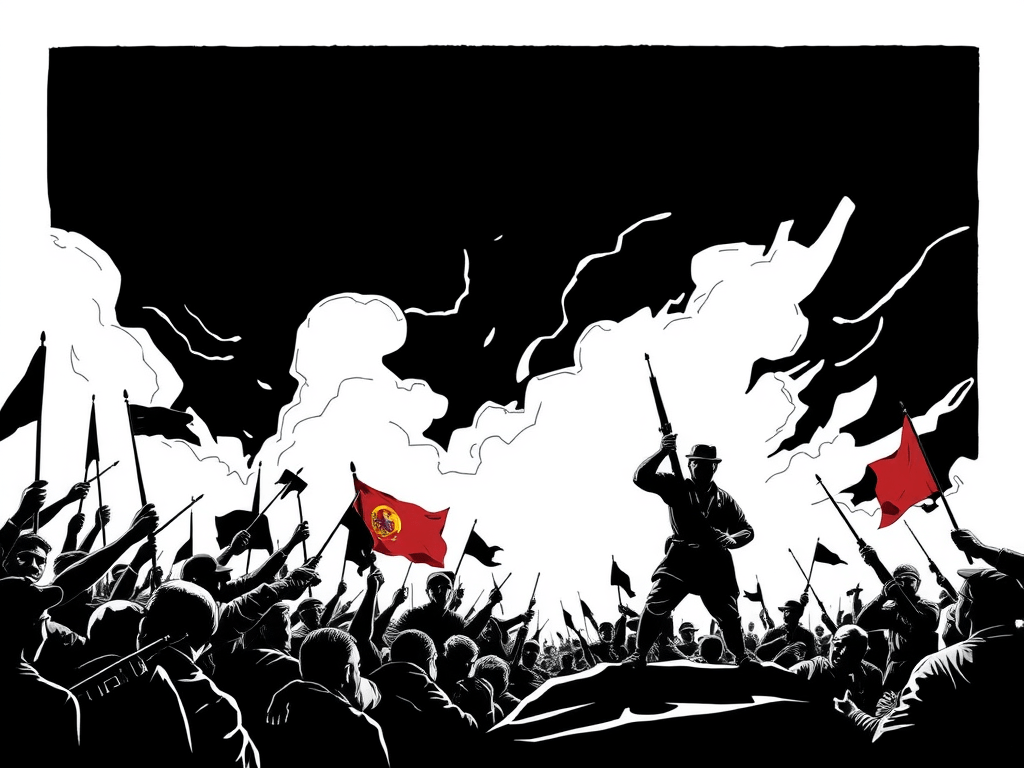
Felix Morrow’s “Revolution and Counter-Revolution in Spain” provides a critical Marxist analysis of the Spanish Civil War, arguing that the Spanish proletariat had potential power which was undermined by reformist leadership. Morrow’s work highlights the dangers of class collaboration and emphasizes the need for revolutionary mobilization to confront authoritarianism and capitalist democracy.
-
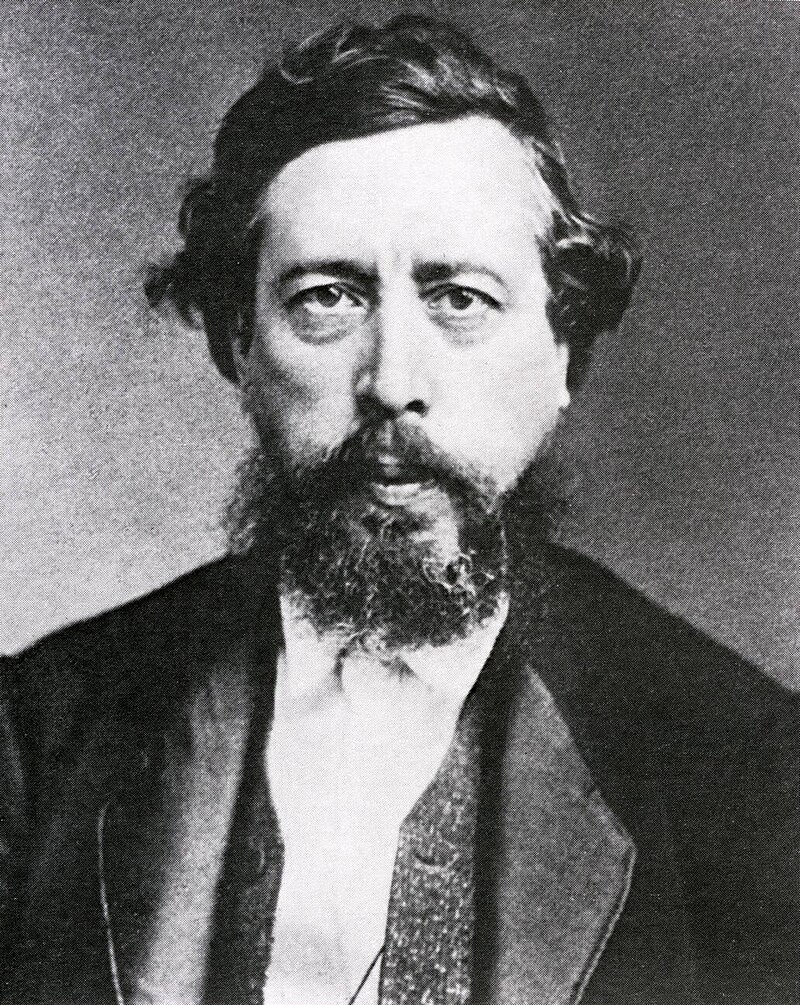
Wilhelm Liebknecht, born in 1826, faced early tragedies but pursued education and radical democratic thought. He became a key figure in the German labor movement and co-founded the Social Democratic Workers’ Party. He navigated political repression, advocating Marxist principles while opposing revisionism. Liebknecht’s legacy is pivotal in German social democracy.
-

Bryan Magee’s The Philosophy of Schopenhauer is a comprehensive and clear study of Schopenhauer’s thought, emphasizing his influence on Western philosophy. Magee adeptly contextualizes Schopenhauer’s ideas while making complex concepts accessible. The work’s interdisciplinary relevance and critical engagement with Schopenhauer’s limitations make it an essential read for scholars and students alike.
-
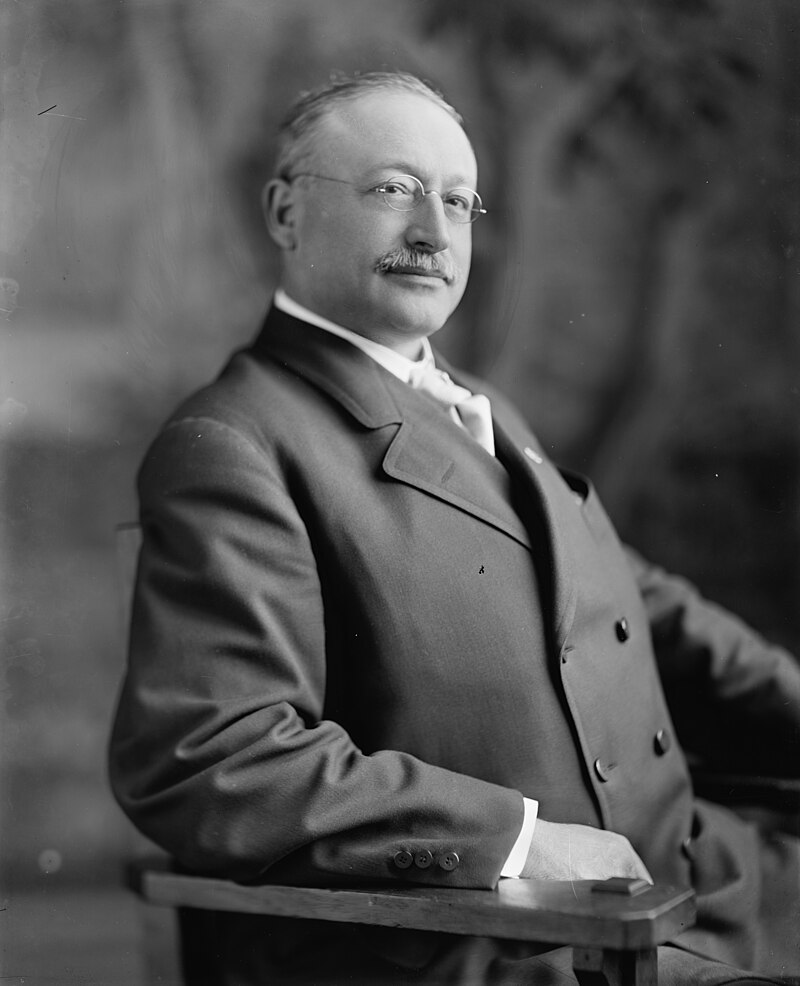
Victor Louis Berger (1860–1929) was a pivotal figure in American socialism, known for founding the Socialist Party of America in 1901 and being the first Socialist elected to Congress. His pragmatic approach to socialism emphasized reform over revolution. Berger’s legacy reflects debates between revolutionary and reformist socialism within American politics.
-
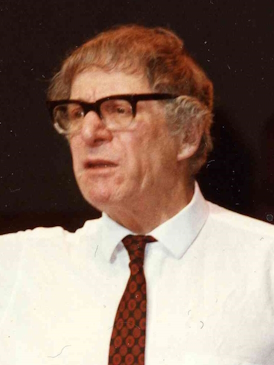
Ted Grant’s Selected Works, Vol. One presents his analyses of Stalinism and the Soviet Union’s class nature, emphasizing “proletarian Bonapartism.” Edited by Steve Iverson, this volume merges historical case studies with theoretical clarity, making it relevant for contemporary Marxist debates. However, it has limitations in empirical scope and cultural analysis.
-

John Bellamy Foster, born in 1953, is a prominent sociologist with a focus on Marxist theory and ecological sociology. He serves as a professor at the University of Oregon and editor of Monthly Review. His research explores monopoly capitalism, ecological crisis, and ecosocialism, earning him notable awards for his impactful scholarship.
-
Subscribe
Subscribed
Already have a WordPress.com account? Log in now.
 Letters from Tomis