-
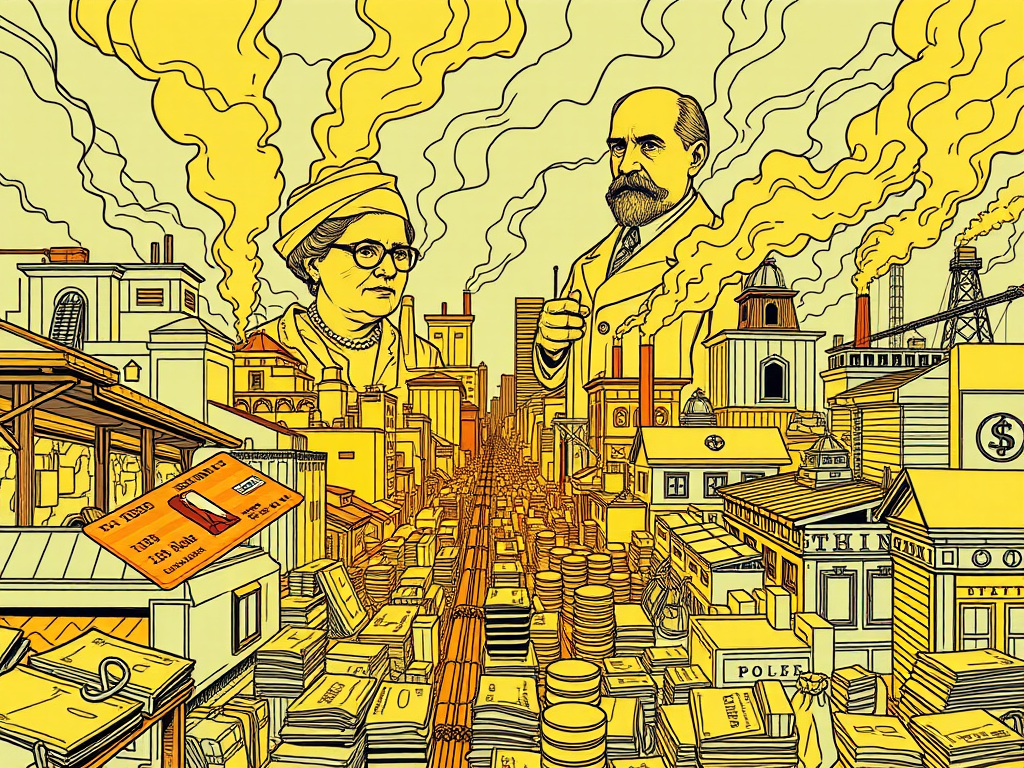
The content explores the dual nature of credit in capitalism, as both a lifeline and a noose. It critically examines how figures like Marx, Luxemburg, and Lenin understood credit as a mechanism allowing capitalism to expand and exploit, ultimately warning of inevitable crises due to unsustainable debt. The analysis highlights historical and contemporary global economic…
-

The article critiques capitalism’s taxation system through a Marxist lens, arguing it reflects class struggle, particularly benefiting the bourgeoisie at the expense of the working class. Marxists propose utilizing taxation as a tool for redistribution while advocating for deeper social change to abolish class divides. Taxation’s flaws highlight systemic inequalities in capitalist societies.
-
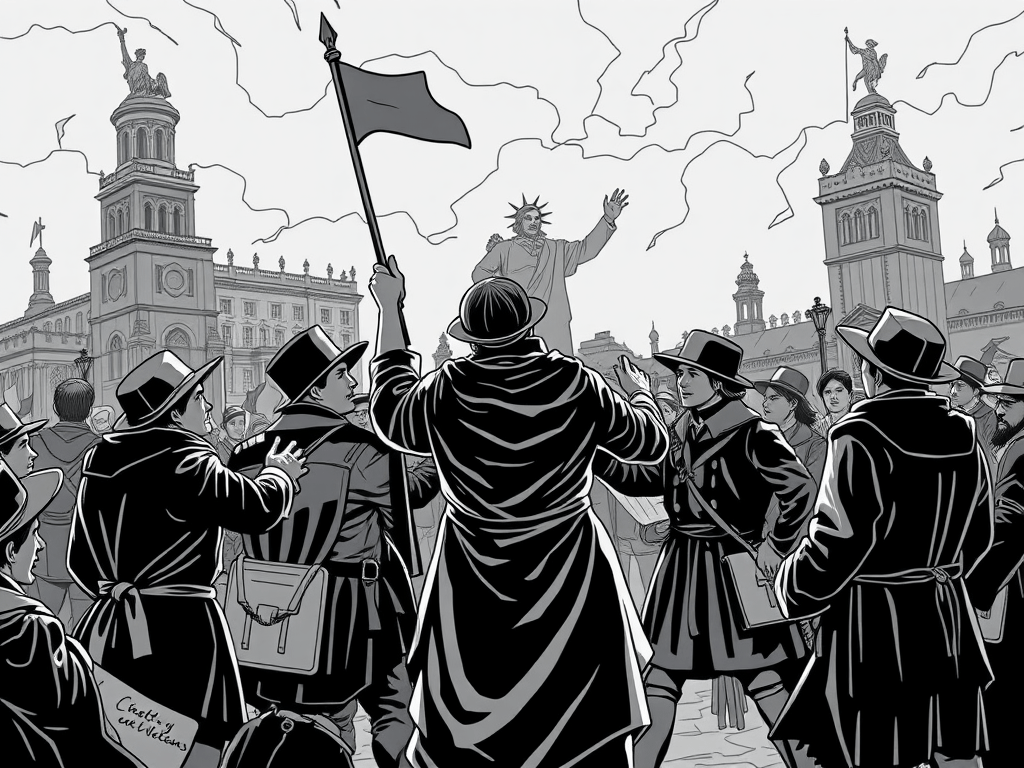
The essay critiques the bourgeoisie’s historical reliance on liberal democracy, arguing they now see it as outdated. Initially champions of democratic principles, they increasingly embrace authoritarianism to protect their privileges. Contemporary signs include rising authoritarianism, entrenched plutocracy, and disdain for public accountability, suggesting democracy’s utility for the bourgeoisie has waned.
-

Terry Eagleton, born in 1943, is a leading British literary theorist recognized for his Marxist interpretations of literature. His academic career spans prestigious institutions, with works that blend accessibility and wit. Defending Marxist critique against postmodernism, Eagleton examines ideology and culture through extensive publications, remaining a vital contemporary intellectual figure.
-

Rosa Luxemburg challenges the notion that socialists long for a pre-industrial past, asserting instead that socialism emerges from capitalism’s inherent tensions. She emphasizes the importance of embracing technological progress for the benefit of all, advocating for reforms like universal basic income. Luxemburg’s vision for socialism focuses on utilizing capitalism’s advances to create a more equitable…
-
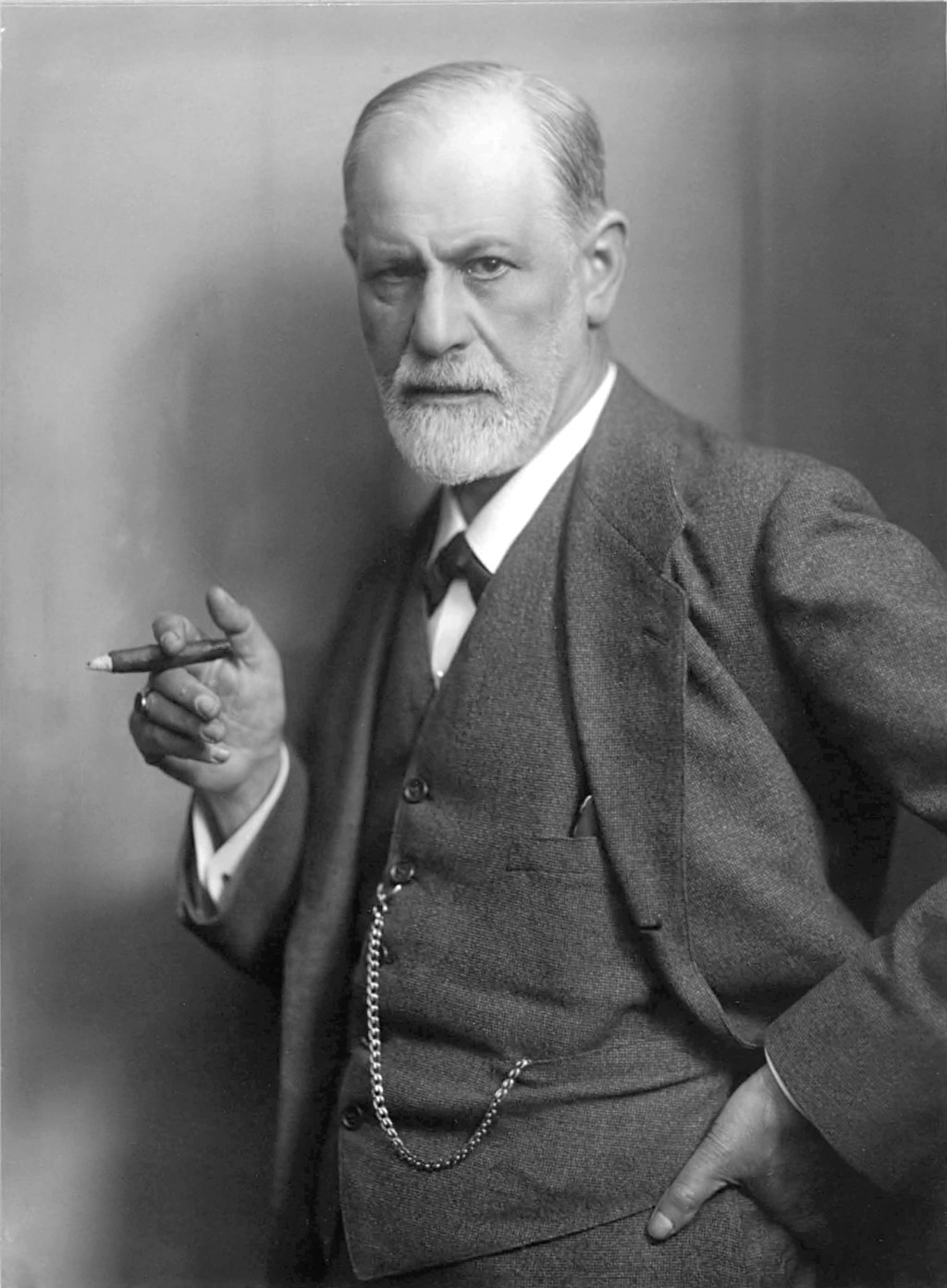
Sigmund Freud (1856-1939), an Austrian neurologist, founded psychoanalysis, revolutionizing psychology and psychiatry. His theories on the unconscious mind, including concepts like repression and the Oedipus complex, stemmed from his medical studies and hypnosis experiences. Despite facing Nazi persecution, he continued his influential work until his death in London.
-
Rosa Luxemburg’s interpretation of Marxism emphasizes the labor theory of value as essential to her revolutionary critique of capitalism. She argues that true value comes from labor, positioning workers as creators deserving of rewards. Luxemburg advocates for democratic socialism and highlights the moral imperative to unite against exploitation, enhancing Marx’s ethical vision for human emancipation.
-
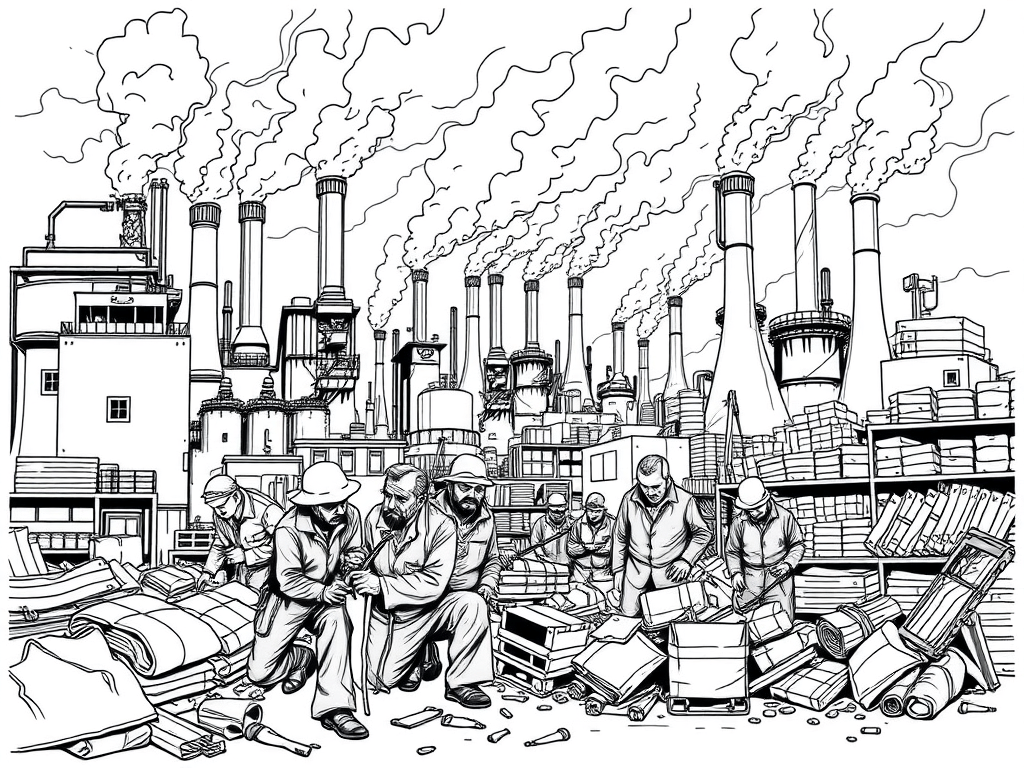
Karl Marx critiqued capitalism as an engine of crisis and exploitation, arguing that its accumulation logic leads to inequality and eventual collapse. While his insights on class struggles and cyclical crises are relevant, capitalism continues to adapt and survive, proving Marx’s predictions of inevitable ruin to be less definitive than he envisioned.
-

John Peterson’s Colossus examines the rise and decline of US imperialism through historical and political analysis. Blending research with human insights, the book critiques American global dominance, highlighting internal and external contradictions. It invites readers to critically engage with today’s geopolitical landscape, making it essential for understanding international relations and advocating for a workers’ revolution.
-
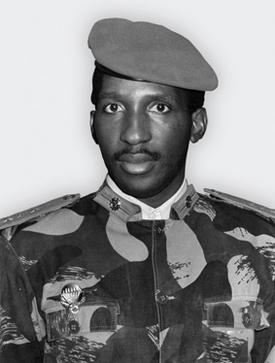
Thomas Sankara (1949–1987) was a revolutionary leader in Burkina Faso, known for his anti-imperialist stance and efforts in women’s liberation, self-sufficiency, and public health. Assassinated in 1987, his legacy as an icon of integrity and Pan-Africanism endures, inspiring movements across the Global South even today.
-
Subscribe
Subscribed
Already have a WordPress.com account? Log in now.
 Letters from Tomis