-

Alexei Rykov (1881–1938) was a key Bolshevik leader and Soviet statesman instrumental in the early Soviet Union’s formation. After opposing Lenin, he later became Premier but fell out of favor with Stalin due to his support for the NEP. Arrested during the Great Purge, he was executed in 1938. He was rehabilitated posthumously in 1988.
-

Slavoj Žižek’s The Sublime Object of Ideology (1989) integrates Lacanian psychoanalysis, Hegelian idealism, and Marxist theory, challenging conventional ideology critiques. It revitalizes Marxist thought by emphasizing structure over false consciousness and critiques postmodernism. Although dense, the work reshapes ideology understanding, influencing critical theory and political discourse post-Cold War.
-
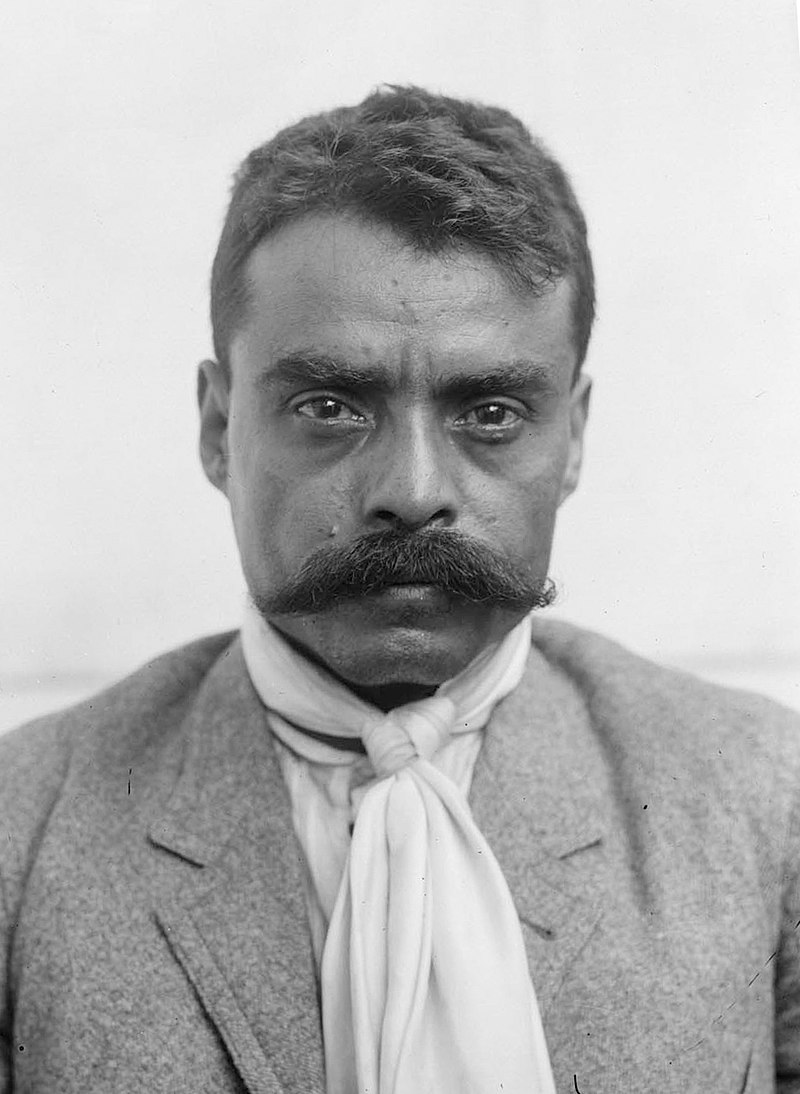
Emiliano Zapata Salazar (1879–1919) was a pivotal figure in the Mexican Revolution, advocating for agrarian reform and social justice with his rallying cry “Tierra y Libertad.” His leadership influenced peasant movements and revolutionary ideologies, leaving a powerful legacy of grassroots democracy and resistance against centralized authority that continues to resonate today.
-

Jacques Lacan’s psychoanalytic theory features three interdependent registers: the Imaginary, the Symbolic, and the Real, with the Real as the most complex. This summary explores Lacan’s evolving understanding of the Real throughout his career, examining its distinctions from the other orders, its role in human experience, and its implications for psychoanalysis.
-
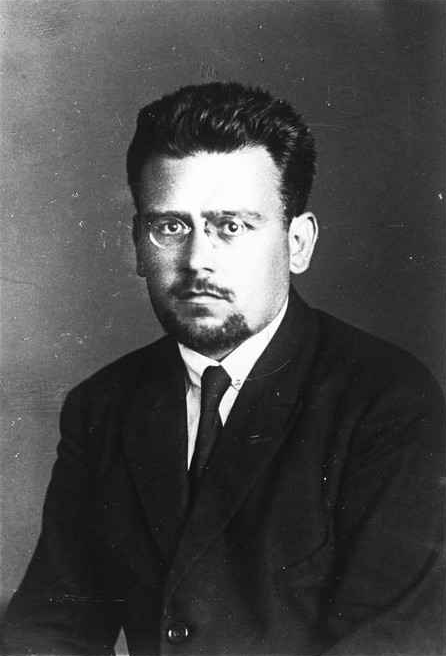
Amadeo Bordiga (1889–1970) was a pivotal, contentious figure in international communism, known for founding the Italian Communist Party. His rigorous critiques of reformism, parliamentary democracy, and Stalinism shaped left communism. Despite political marginalization, Bordiga’s theoretical contributions continue to influence contemporary Marxist discourse and debates about revolutionary practice.
-

Fidel Castro’s “Revolution and the Road to Peace in Colombia” analyzes Colombia’s armed conflict through a revolutionary lens, emphasizing historical inequalities and U.S. imperialism. Advocating for peace negotiations alongside armed struggle, Castro critiques U.S. diplomacy and stresses the need for social reforms. His reflections provide valuable insights for understanding Latin American revolutionary movements.
-
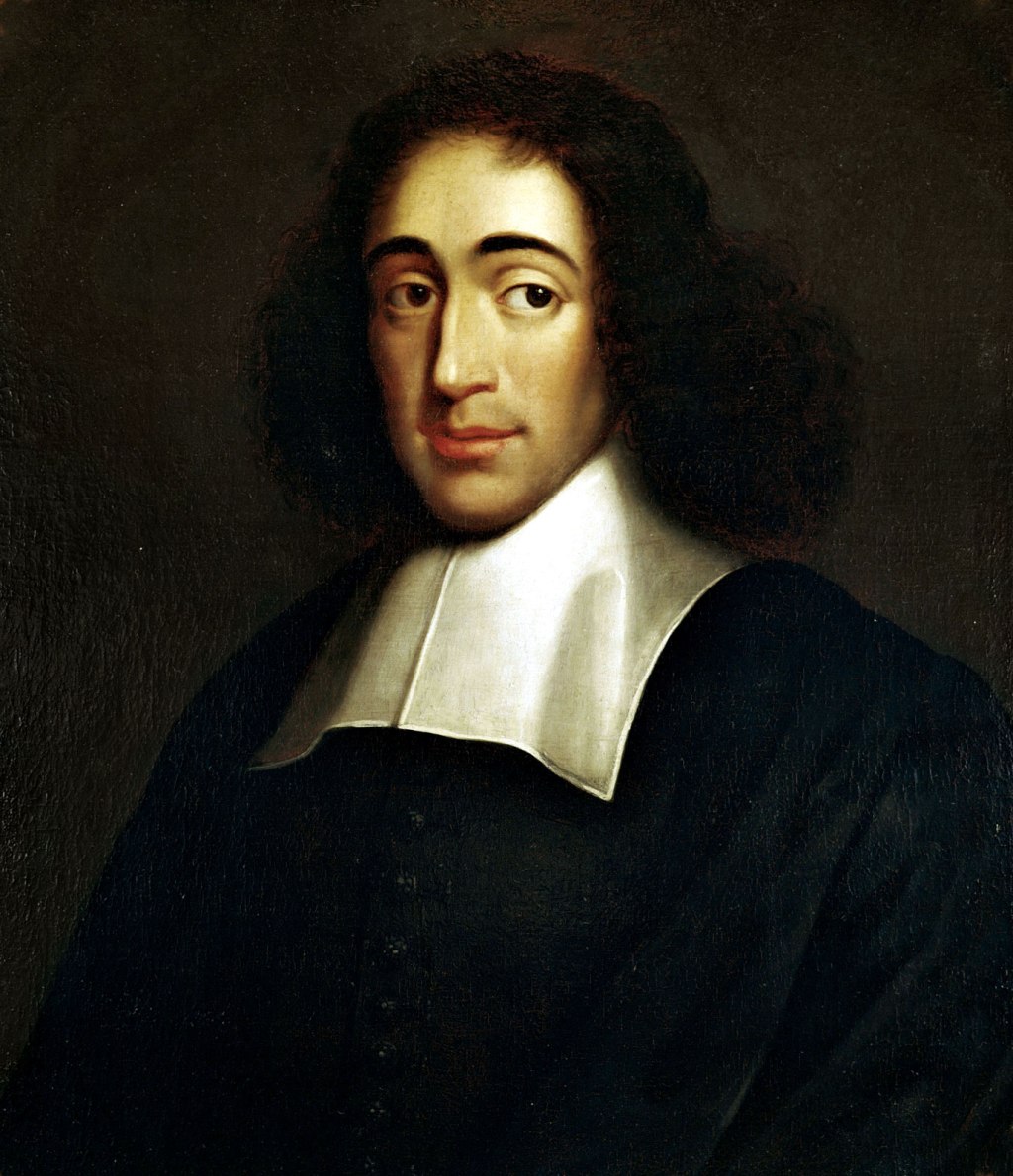
Baruch Spinoza (1632–1677) was a pivotal figure in Western philosophy, known for his radical rationalism and monistic metaphysics. Excommunicated from his Jewish community, he promoted a naturalistic view of religion, emphasizing the unity of God and Nature. Influencing modern thought, Spinoza’s ideas sparked debates on ethics, freedom, and political theory.
-

Alan Woods’s “Bolshevism: The Road to Revolution” provides a comprehensive Marxist analysis of the Bolshevik Party’s origins and evolution. The book highlights the ideological and strategic foundations of Bolshevism, distinguishing it from Stalinism, and emphasizes the significance of theory in revolutionary practice. This work serves as an essential resource for understanding socialist movements.
-

Christian Rakovsky (1873–1941) was a key Marxist revolutionary and diplomat influential in the Bolshevik movement. He advocated for socialist internationalism and played significant roles in Ukraine and as Soviet ambassador to France. Ultimately, his opposition to Stalinist policies led to his expulsion from the Communist Party and execution during the Great Purge.
-
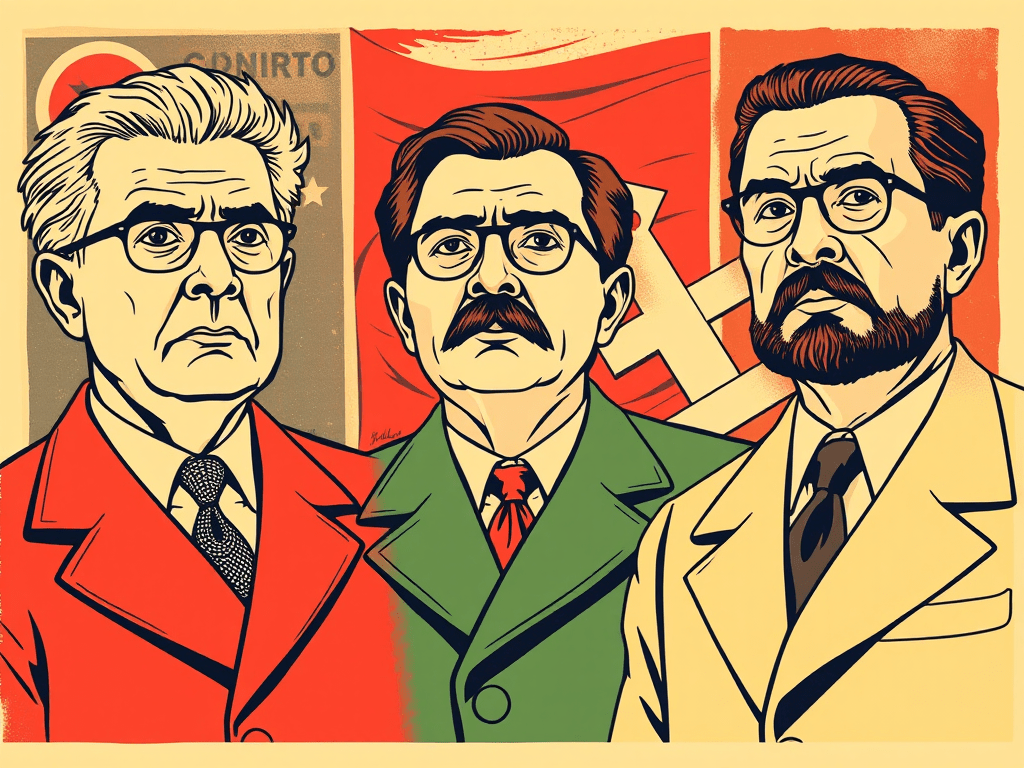
The Italian Communist Party (PCI), established in 1921, evolved from a revolutionary group to a significant democratic socialist force before dissolving in 1991. Key leaders like Gramsci and Berlinguer shaped its ideology, balancing Stalinist influences with democratic reforms. Its dissolution marked a pivotal transition in European politics, reflecting broader historical changes.
-
Subscribe
Subscribed
Already have a WordPress.com account? Log in now.
 Letters from Tomis