-

James Patrick Cannon (1890–1974) was a key figure in American socialism and Trotskyism. He co-founded the Communist Labor Party and later the Socialist Workers Party (SWP), advocating for revolutionary organizing and anti-Stalinism. His legacy, including influential writings and prison correspondence, significantly shaped the American left’s strategies and understanding.
-
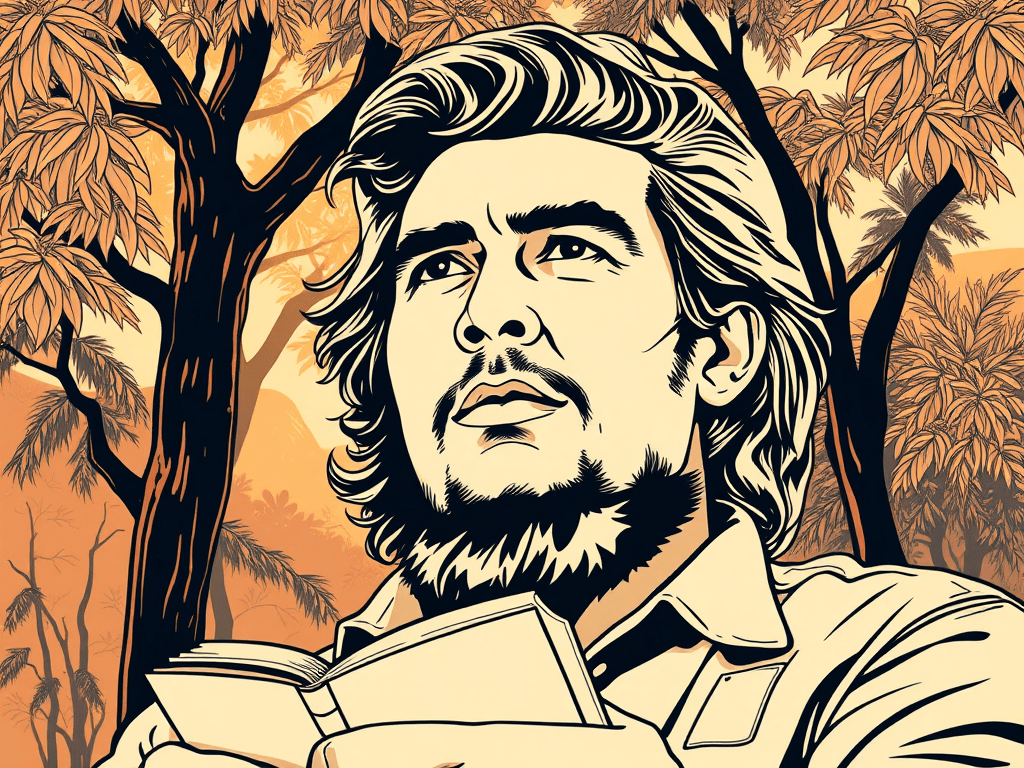
Ernesto Guevara’s “Socialism and Man in Cuba” is a pivotal essay that articulates a humanist vision of revolutionary socialism. It emphasizes moral transformation, collective commitment, and the concept of the “new man,” advocating for a socialism rooted in ethical engagement rather than materialism. Guevara’s insights remain relevant today, inspiring ongoing social justice and socialist movements.
-

Josip Broz Tito (1892–1980) was a pivotal figure in 20th-century socialism, renowned for leading Partisan resistance during WWII and founding socialist Yugoslavia. His legacy includes promoting workers’ self-management, advocating cultural pluralism, and establishing the Non-Aligned Movement, embodying a non-dogmatic approach to socialism that emphasized independence and international solidarity.
-
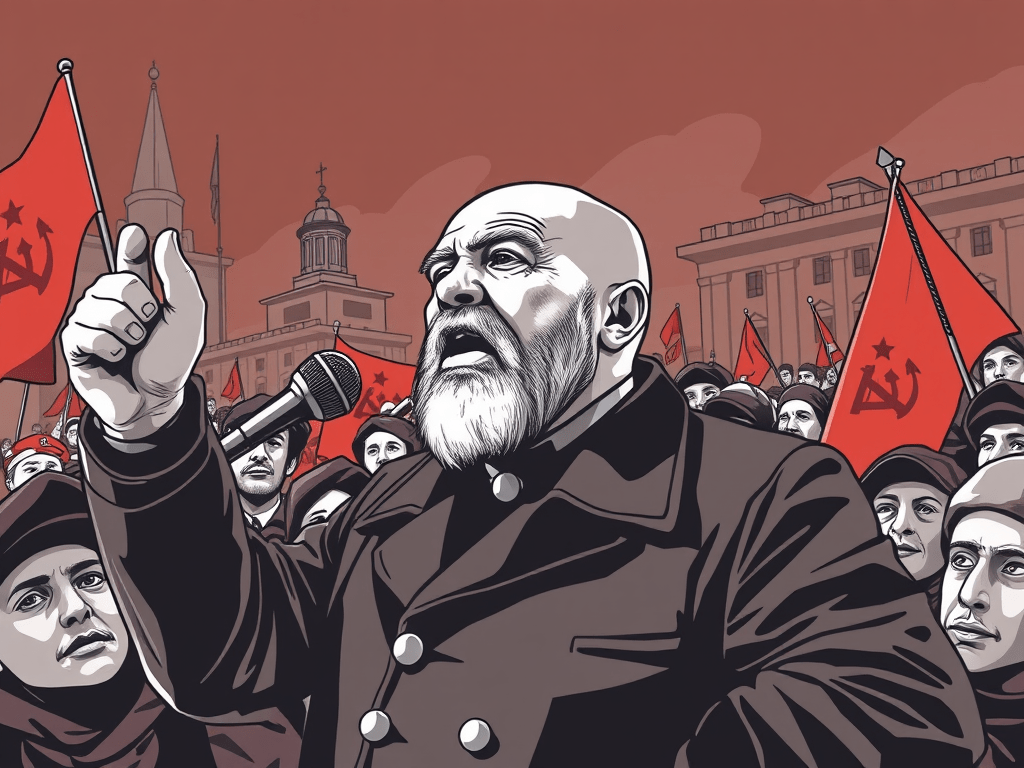
Vladimir Lenin’s State and Revolution is a pivotal Marxist text that critiques reformist approaches and emphasizes the necessity of a proletarian state to dismantle bourgeois power. Written in 1917, it combines theoretical rigor and revolutionary strategy, offering insights for contemporary struggles against inequality and capitalist frameworks, retaining its significance over time.
-
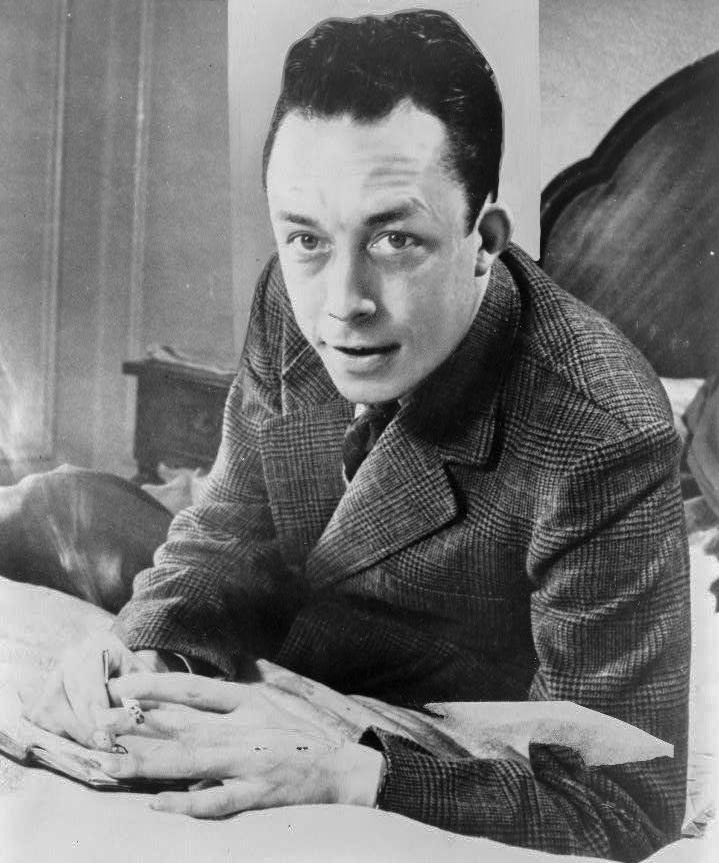
Albert Camus was born in Algeria in 1913 and faced poverty after his father’s death in WWI. He excelled in academics and became involved in politics and theater in the 1930s. Key works like “The Stranger” and “The Myth of Sisyphus” reflect his absurdist philosophy. A Nobel laureate, he remains influential for his ethical stance…
-

“Notes from an Island” by Tove Jansson and Tuulikki Pietilä is a minimalist blend of prose and illustrations capturing their life on Klovharun, Finland. The work reflects on solitude, artistry, and nature while maintaining emotional reserve. Its fragmentary style may challenge readers expecting narrative depth, particularly regarding intimacy and broader contexts.
-

Frederick Douglass, born into slavery in Maryland, escaped in 1838 and became a prominent abolitionist. He authored influential autobiographies, advocated for women’s rights, and supported Reconstruction efforts. Recognized for his eloquent speeches and writings, Douglass’s legacy endures in civil rights movements, emphasizing racial, gender, and economic justice. He died in 1895.
-

Howard Zinn’s A People’s History of the United States presents a counter-narrative to traditional historical accounts, emphasizing the voices of marginalized groups as the true protagonists. Through a Marxist lens, Zinn critiques established ideologies and advocates for historical consciousness, framing history as an arena of ongoing class struggle and resistance.
-

César Chávez (1927–1993), co-founder of the United Farm Workers (UFW), revolutionized labor and civil rights for migrant farmworkers in America. His early experiences with poverty and discrimination fueled his activism. Chávez’s nonviolent methods, influenced by notable leaders, emphasized collective power, social justice, and dignity, leaving a lasting legacy on workers’ rights.
-

The Communist Party of Greece (KKE), founded in 1918, embodies a resilient history of Marxist-Leninist struggle against imperialism and bourgeois oppression. Active in various pivotal moments, such as WWII and the Greek Civil War, it remains a vital force in advocating for revolutionary socialism amidst contemporary neoliberal challenges, maintaining its ideological integrity.
-
Subscribe
Subscribed
Already have a WordPress.com account? Log in now.
 Letters from Tomis