Politics
-

Erich Fromm’s Escape from Freedom explores the psychological impact of capitalism on individual autonomy, aligning with Marxist critiques of alienation. Fromm’s analysis reveals how modern freedom often leads to submission under capital’s demands. He emphasizes the necessity for collective transformation to achieve true freedom, marking a significant intersection of psychoanalysis and revolutionary thought.
-
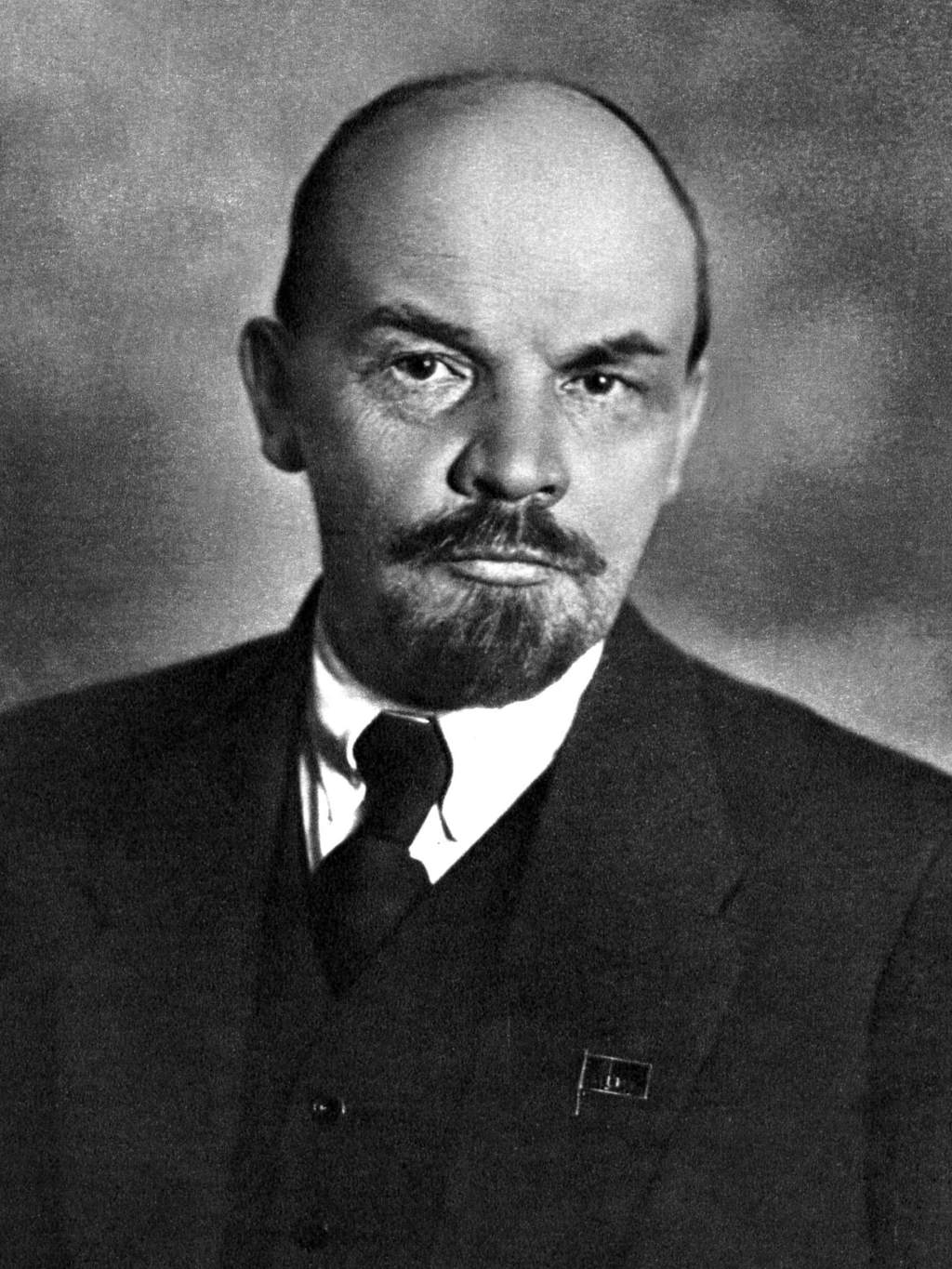
Vladimir Lenin’s “Left-Wing Communism: An Infantile Disorder” critiques sectarianism and ultraleftism within revolutionary movements post-October Revolution. It emphasizes the necessity for tactical flexibility, engagement with existing institutions, and a dialectical relationship between the party and the masses. The work remains relevant for contemporary revolutionary practice and promotes disciplined, organized engagement in the struggle against capitalism.
-
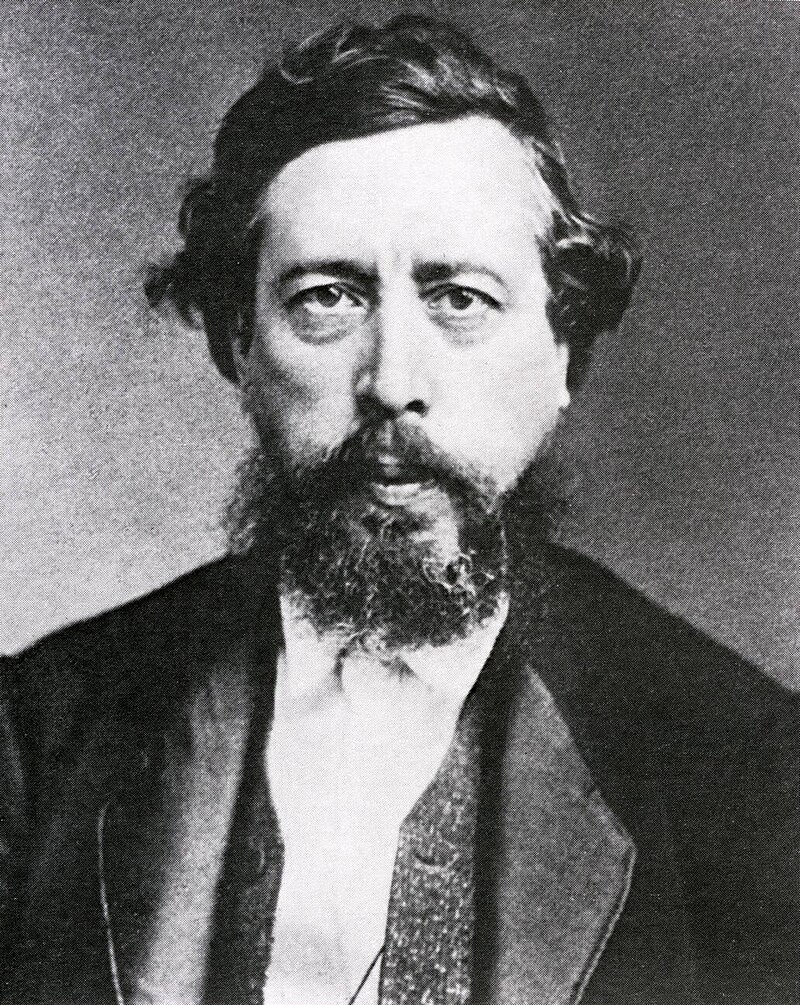
Wilhelm Liebknecht, born in 1826, faced early tragedies but pursued education and radical democratic thought. He became a key figure in the German labor movement and co-founded the Social Democratic Workers’ Party. He navigated political repression, advocating Marxist principles while opposing revisionism. Liebknecht’s legacy is pivotal in German social democracy.
-

James Davidson’s “Courtesans and Fishcakes” explores Athenian social life through a lens of consumption, emphasizing class relations and material production. By focusing on food, sex, and political discourse, Davidson reveals how pleasures are intertwined with labor exploitation in a slave-based economy, prompting a Marxist critique of cultural practices and underlying socio-economic frameworks.
-
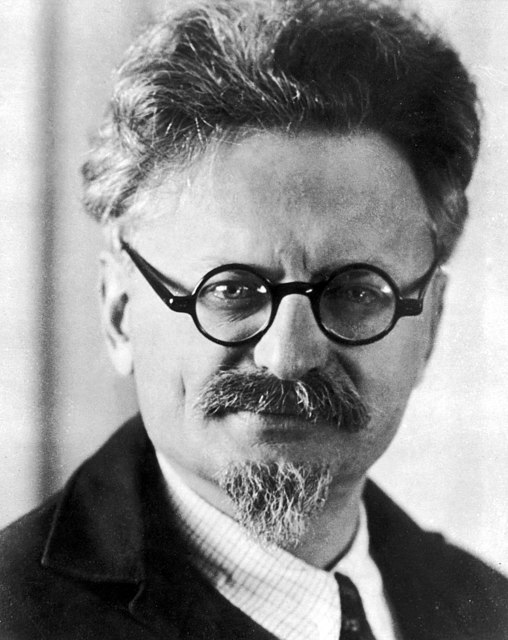
Leon Trotsky’s Marxism in Our Time (1939) reasserts the relevance of Marxist theory amidst global crises. Trotsky defends Marxism against claims of obsolescence, arguing it remains vital for understanding capitalist contradictions and fighting bureaucracy. His analysis underscores the necessity of revolutionary action and internationalism, making it crucial for contemporary struggles against oppression.
-
Leon Trotsky’s “In Defence of Marxism” is a critical examination of revolutionary methods amidst inner-party disputes within the Socialist Workers Party. Written in 1939-40, it emphasizes dialectical materialism, party strategy, and class analysis, providing a framework for defending the USSR while contesting Stalinism. The book’s insights on party democracy and polemic reinforce its relevance for…
-

The essay analyzes the rise and fall of the Fourth International, founded by Trotsky in 1938. It argues that post-Trotsky leadership’s sectarianism and bureaucratic methods led to its degeneration. Ted Grant’s faction is highlighted as a true continuation of Trotskyism, advocating for adapting Marxist theory to current conditions and preserving revolutionary integrity.
-

Benjamin Jefferson Davis Jr. (1903–1964) was an influential African American lawyer and Communist activist who served on the New York City Council. His legal work challenged Jim Crow laws, and he became prominent in leftist politics. Convicted under the Smith Act, Davis continued advocating for civil rights until his death, leaving a significant legacy.
-
The Fourth International, founded in 1938 by Trotskyists, aimed to unite Marxists for global revolution against Stalin’s Comintern. Despite its revolutionary ambitions, it faltered due to adverse conditions post-World War II, internal divisions, and repression. Its legacy persists today in various Trotskyist groups, still advocating international socialism.
-

Michael Parenti is a prominent American Marxist scholar whose extensive work critiques capitalism, imperialism, and corporate media. His career reflects a commitment to accessible radical education, influenced by his working-class roots. Despite marginalization in academia, Parenti’s writings have significantly shaped anti-capitalist movements and continue to resonate with contemporary socialist activism.
 Letters from Tomis