Politics
-

Seamus Costello was a pivotal figure in Irish republicanism, merging militant nationalism with socialism during the late twentieth century. His political career, spanning from the 1950s to the 1970s, involved significant roles in the IRA and later the Irish Republican Socialist Party. Costello’s assassination in 1977 marked a crucial turning point for revolutionary movements in…
-

Aristophanes’s “Assemblywomen,” produced in the early fourth century BCE, explores women’s political agency through satire. The play reflects Athens’s post-war discontent, merging politics with sexual economy. Protagonist Praxagora advocates for radical reforms, critiquing male governance. The comedy highlights the complexities and dangers of egalitarianism in a struggling democracy, revealing political exhaustion.
-
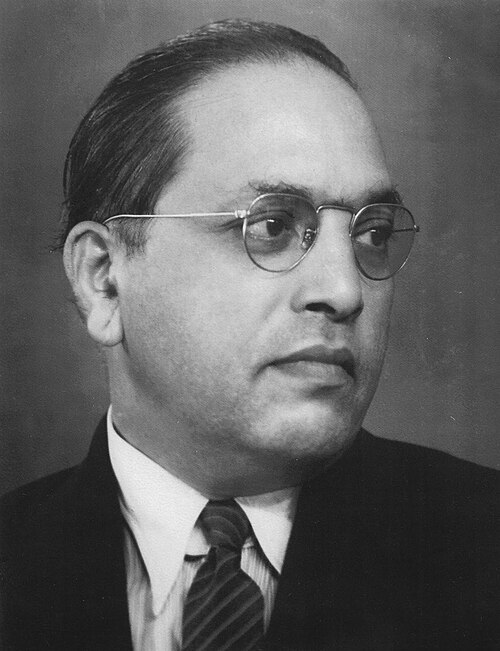
Bhimrao Ramji Ambedkar, a key figure in 20th-century Indian thought, critiqued caste and framed social emancipation beyond nationalism. As the architect of the Indian Constitution, he emphasized social and economic democracy alongside legal frameworks. His later conversion to Buddhism symbolized a political and ethical commitment to equality. Ambedkar’s legacy remains vital in contemporary discussions on…
-

Book Review Fromm, Erich. The Sane Society. Holt Paperbacks, 1990. Erich Fromm’s The Sane Society (1955) remains one of the most incisive mid-century critiques of capitalist modernity, straddling psychoanalytic theory, social philosophy, and heterodox Marxism. Written at the height of America’s postwar boom, the book confronts what Fromm calls “the pathology of normalcy”—the fact that…
-

My Socialist Hall of Fame During this chaotic era of vile rhetoric and manipulative tactics from our so-called bourgeois leaders, I am invigorated by the opportunity to reflect on Socialists, Revolutionaries, Philosophers, Guerrilla Leaders, Partisans, and Critical Theory titans, champions, and martyrs who paved the way for us—my own audacious “Socialism’s Hall of Fame.” These…
-

Gerald Allan Cohen (1941–2009) was a key political philosopher, known for reconciling Marxism with analytic philosophy. His works addressed historical materialism, justice, and egalitarianism, challenging libertarian and liberal theories. Cohen’s legacy influences contemporary debates on socialist justice, sustainability of inequality, and moral philosophy, emphasizing ethical commitment to equality.
-

Rob Sewell’s “Germany: From Revolution to Counter-Revolution” offers a concise, politically engaged retelling of the German revolutionary period, emphasizing leadership and mass agency. While it lacks original archival research and simplifies complex narratives, it effectively serves as an accessible pedagogical tool for revolutionary students and activists, stimulating critical reflection on historical events.
-

Alan Woods’ Marxism and Anarchism is a provocative anthology analyzing the historical divide between Marxism and anarchism. It critiques anarchist strategies while advocating for a Marxist approach that emphasizes organization, class struggle, and the necessity of building workers’ power. Relevant and accessible, it serves educators and militants navigating revolutionary theory.
-

Gerhart Eisler (1897–1968), a German communist intellectual and operative, navigated the political landscape from Weimar Germany to the Cold War. Known for his influential role in the Comintern and later in East Germany, his life reflects the complexities of Marxism, illustrating the tensions between revolutionary ideals and bureaucratic realities.
-
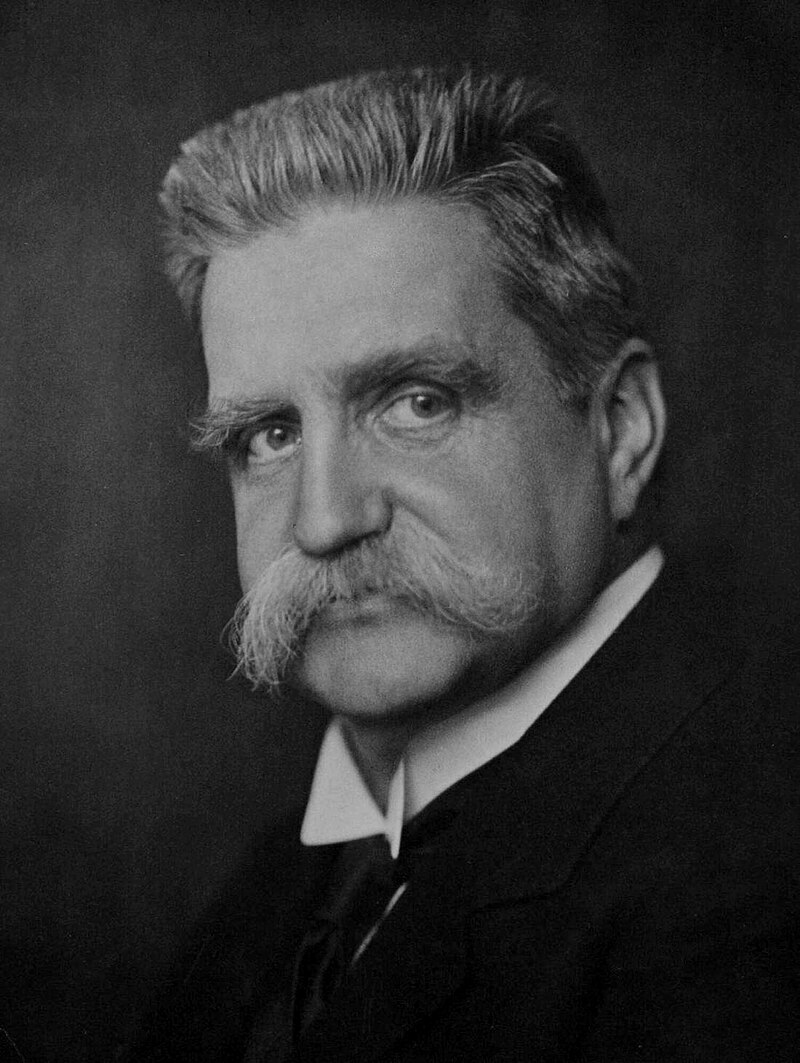
Karl Hjalmar Branting was a key figure in Swedish socialism, transforming Sweden into a social democracy as its first Social Democratic Prime Minister. Advocating for gradual reform instead of revolution, he implemented progressive policies and universal suffrage. His legacy as an architect of democratic socialism significantly influenced European political landscapes.

