Politics
-
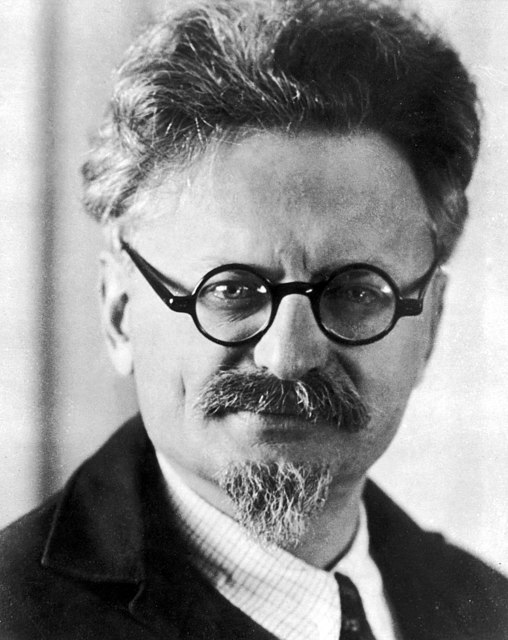
Leon Trotsky’s Marxism in Our Time (1939) reasserts the relevance of Marxist theory amidst global crises. Trotsky defends Marxism against claims of obsolescence, arguing it remains vital for understanding capitalist contradictions and fighting bureaucracy. His analysis underscores the necessity of revolutionary action and internationalism, making it crucial for contemporary struggles against oppression.
-
Leon Trotsky’s “In Defence of Marxism” is a critical examination of revolutionary methods amidst inner-party disputes within the Socialist Workers Party. Written in 1939-40, it emphasizes dialectical materialism, party strategy, and class analysis, providing a framework for defending the USSR while contesting Stalinism. The book’s insights on party democracy and polemic reinforce its relevance for…
-

The essay analyzes the rise and fall of the Fourth International, founded by Trotsky in 1938. It argues that post-Trotsky leadership’s sectarianism and bureaucratic methods led to its degeneration. Ted Grant’s faction is highlighted as a true continuation of Trotskyism, advocating for adapting Marxist theory to current conditions and preserving revolutionary integrity.
-

Benjamin Jefferson Davis Jr. (1903–1964) was an influential African American lawyer and Communist activist who served on the New York City Council. His legal work challenged Jim Crow laws, and he became prominent in leftist politics. Convicted under the Smith Act, Davis continued advocating for civil rights until his death, leaving a significant legacy.
-
The Fourth International, founded in 1938 by Trotskyists, aimed to unite Marxists for global revolution against Stalin’s Comintern. Despite its revolutionary ambitions, it faltered due to adverse conditions post-World War II, internal divisions, and repression. Its legacy persists today in various Trotskyist groups, still advocating international socialism.
-

Michael Parenti is a prominent American Marxist scholar whose extensive work critiques capitalism, imperialism, and corporate media. His career reflects a commitment to accessible radical education, influenced by his working-class roots. Despite marginalization in academia, Parenti’s writings have significantly shaped anti-capitalist movements and continue to resonate with contemporary socialist activism.
-
The German Communist Party (KPD) was founded in 1918, evolving through revolutionary turmoil and ideological shifts, primarily influenced by Luxemburgism and Marxism-Leninism. It ultimately faced repression under the Nazis and later transformed into the Socialist Unity Party in East Germany, while being banned in West Germany. The KPD’s complex legacy reflects its commitment to socialism,…
-
Vladimir Lenin’s State and Revolution is a pivotal Marxist text that critiques reformist approaches and emphasizes the necessity of a proletarian state to dismantle bourgeois power. Written in 1917, it combines theoretical rigor and revolutionary strategy, offering insights for contemporary struggles against inequality and capitalist frameworks, retaining its significance over time.
-

Frederick Douglass, born into slavery in Maryland, escaped in 1838 and became a prominent abolitionist. He authored influential autobiographies, advocated for women’s rights, and supported Reconstruction efforts. Recognized for his eloquent speeches and writings, Douglass’s legacy endures in civil rights movements, emphasizing racial, gender, and economic justice. He died in 1895.
-
The Haymarket Riots of 1886 in Chicago were a pivotal clash between labor protesters advocating for an eight-hour workday and state authorities, culminating in violence and unjust trials that condemned radical labor leaders as martyrs. This event catalyzed international worker solidarity, ultimately influencing labor movements and revolutionary consciousness globally.
 Letters from Tomis