History
-
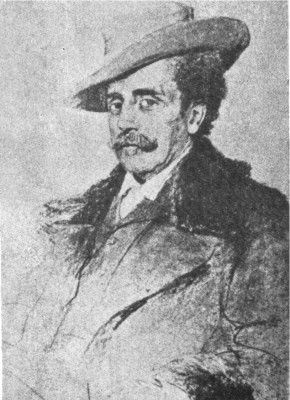
Antonio Labriola emerged as a pivotal figure in Italian Marxism, advocating for historical materialism as a critical method rather than a doctrine. His intellectual independence influenced both Benedetto Croce and Antonio Gramsci, emphasizing praxis and collective human activity. Labriola’s works reshaped socialism, linking theory with political education amid Italy’s socio-political turmoil.
-

Rob Sewell’s “Germany: From Revolution to Counter-Revolution” offers a concise, politically engaged retelling of the German revolutionary period, emphasizing leadership and mass agency. While it lacks original archival research and simplifies complex narratives, it effectively serves as an accessible pedagogical tool for revolutionary students and activists, stimulating critical reflection on historical events.
-
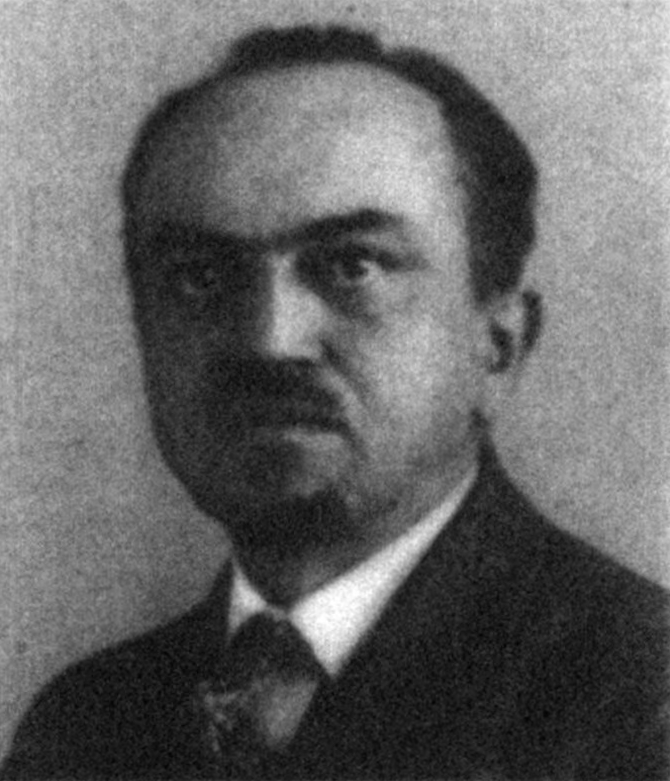
Paul Frölich, born in 1884, was a German Marxist journalist and theorist whose political journey reflects the revolutionary left’s challenges in the 20th century. A member of the Social Democratic Party and later the Communist Party, he critically analyzed class struggles, bureaucracy, and revolutionary democracy, leaving a significant scholarly legacy, especially with his biography of…
-
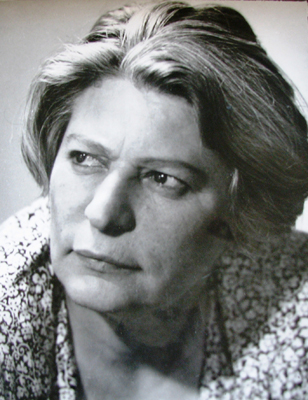
Ana Pauker was a key figure in Romanian communism, born in 1893 into a Jewish family. She played a pivotal role in postwar Romania’s political transformation, becoming the first woman foreign minister. Her legacy is complex, marked by agency and dependency within Stalinism, gender dynamics, and the Jewish question, leading to her eventual purging in…
-
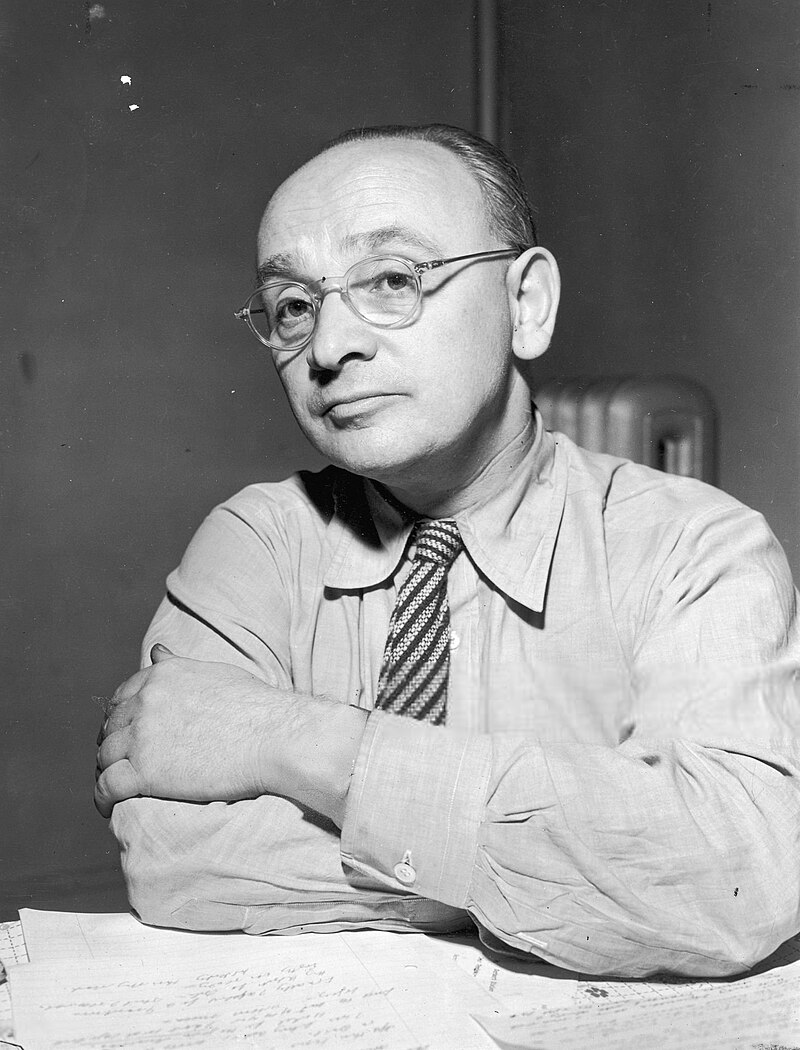
Gerhart Eisler (1897–1968), a German communist intellectual and operative, navigated the political landscape from Weimar Germany to the Cold War. Known for his influential role in the Comintern and later in East Germany, his life reflects the complexities of Marxism, illustrating the tensions between revolutionary ideals and bureaucratic realities.
-
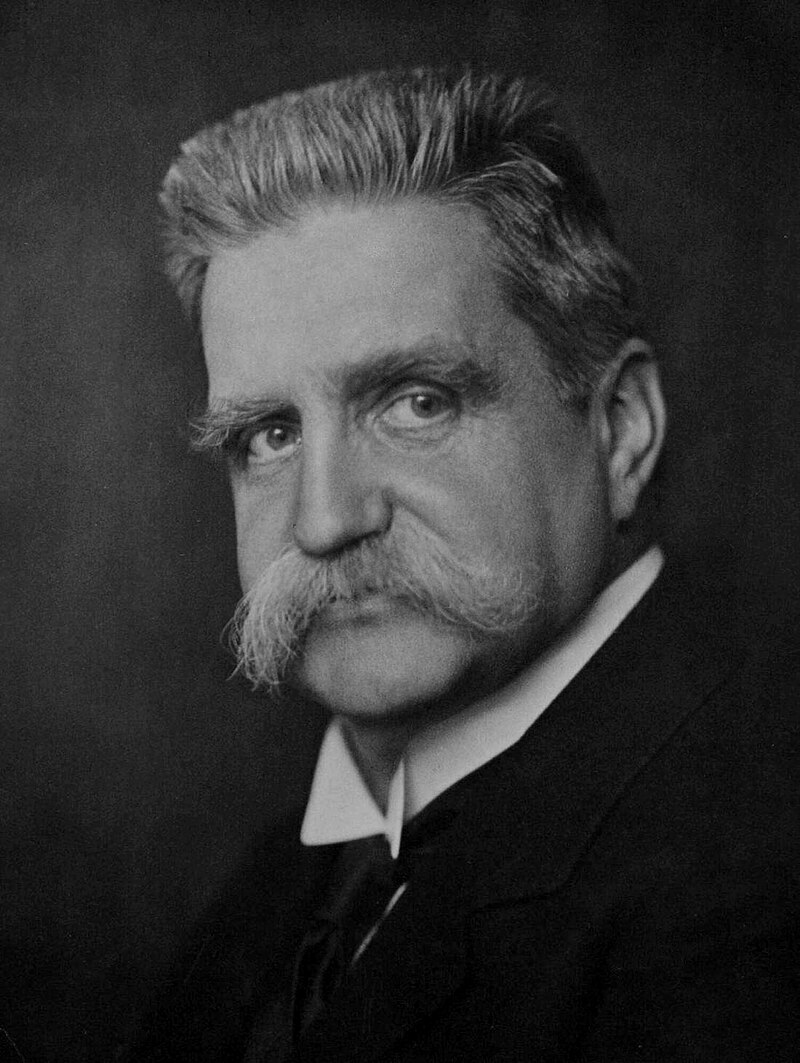
Karl Hjalmar Branting was a key figure in Swedish socialism, transforming Sweden into a social democracy as its first Social Democratic Prime Minister. Advocating for gradual reform instead of revolution, he implemented progressive policies and universal suffrage. His legacy as an architect of democratic socialism significantly influenced European political landscapes.
-
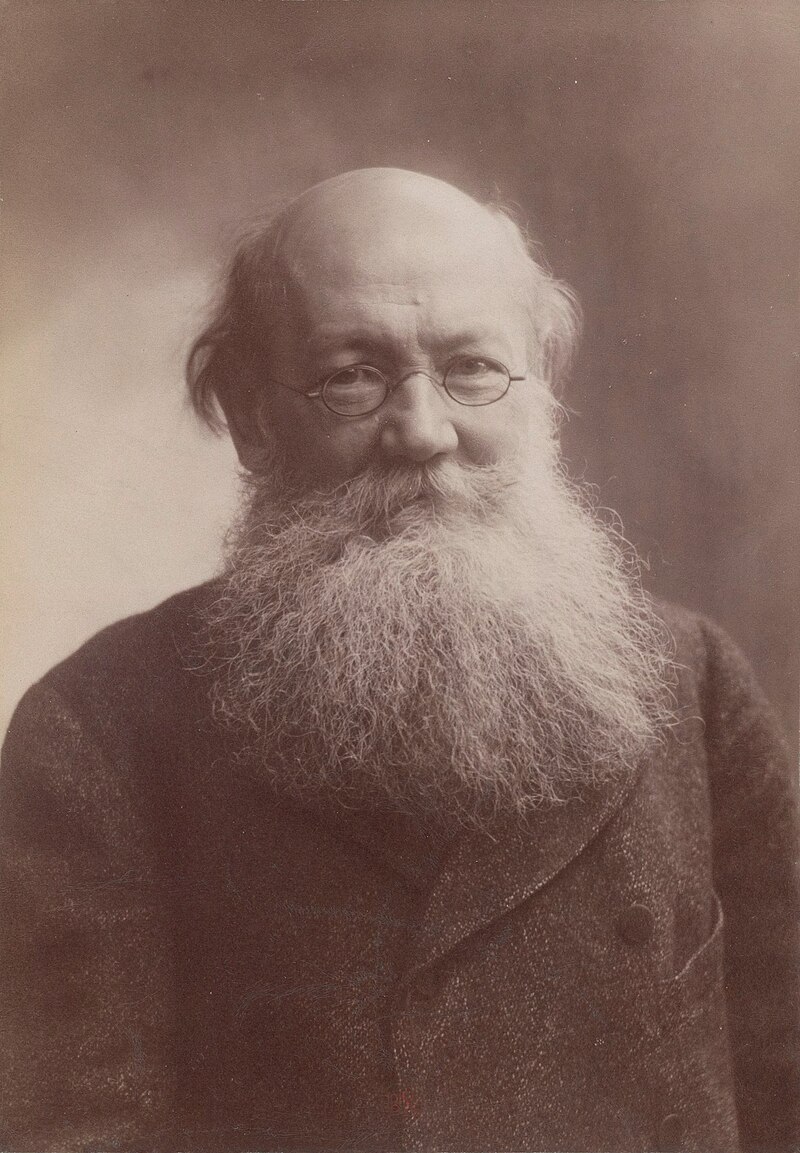
Prince Pyotr Kropotkin (1842–1921) was a significant revolutionary thinker and anarchist communist. A nobleman turned revolutionary, he synthesized Enlightenment thought and Darwinian science, advocating decentralized cooperation through works like Mutual Aid. After the 1917 Russian Revolution, he criticized Bolshevik centralization, leaving a legacy of ethical socialism and communalism.
-
Willi Münzenberg (1889–1940) was a significant figure in early international communism, known for transforming propaganda into a mass persuasion tool. He organized efforts for the Communist International, blending media with ideology. His eventual disillusionment with Stalinism led to a political split and exile, culminating in his mysterious death. His legacy remains influential in political communication…
-
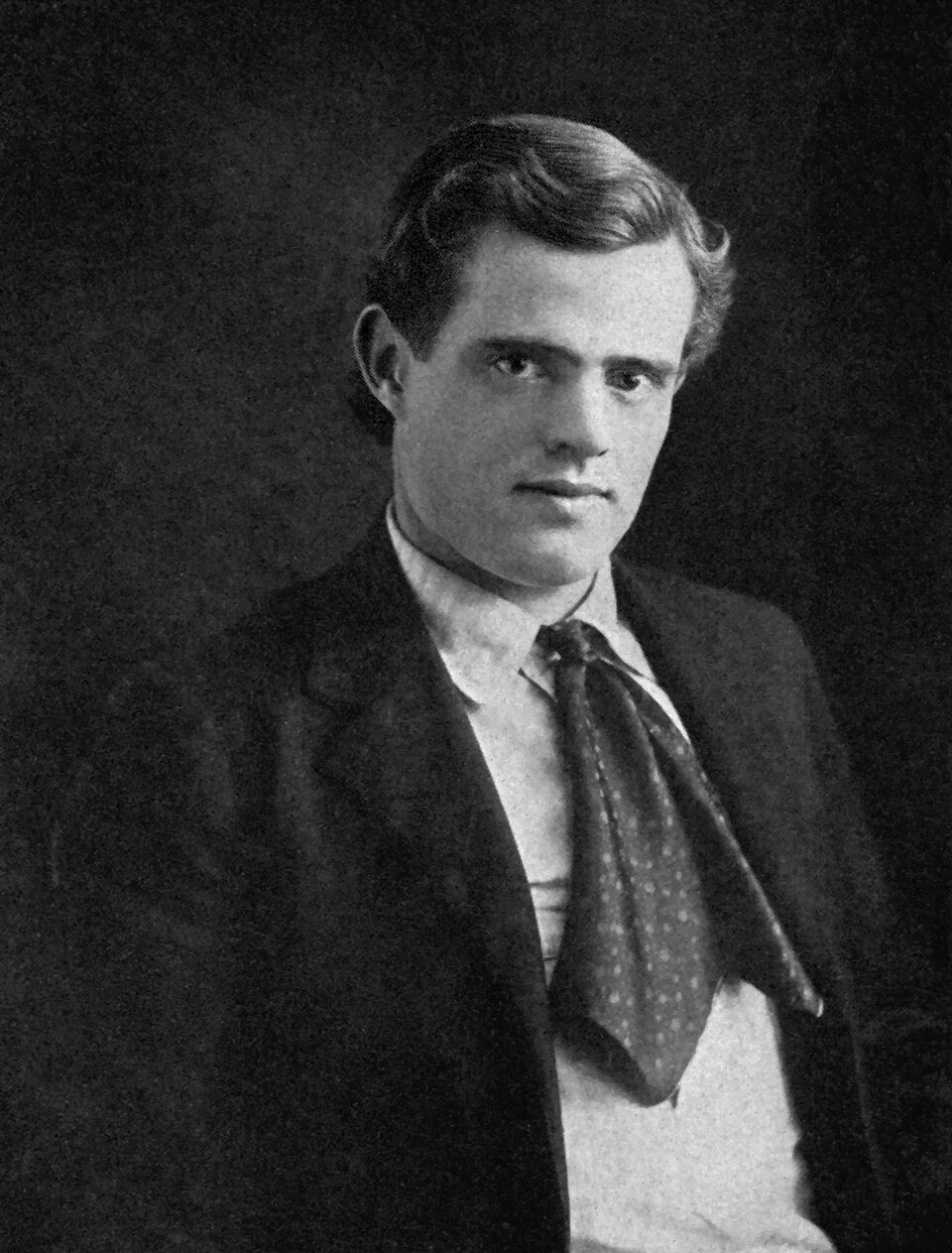
Jack London, a prominent American author of the early 20th century, is known for adventure novels like The Call of the Wild. His works reflect engagement with industrial capitalism and socialism, stemming from personal experiences with class struggle. London’s socialist convictions permeate his fiction, portraying the dehumanizing effects of capitalism while critiquing rugged individualism.
-

Sebastian Smee’s Paris in Ruins explores the cultural history of post-Franco-Prussian War Paris, highlighting the interplay of art, politics, and memory. While emphasizing aesthetic dimensions, it occasionally overlooks structural political factors and ordinary Parisians’ perspectives. The book illuminates how destruction informs cultural identity and collective memory, offering valuable insights for scholars and general readers alike.
 Letters from Tomis