Socialist Hall of Fame
-
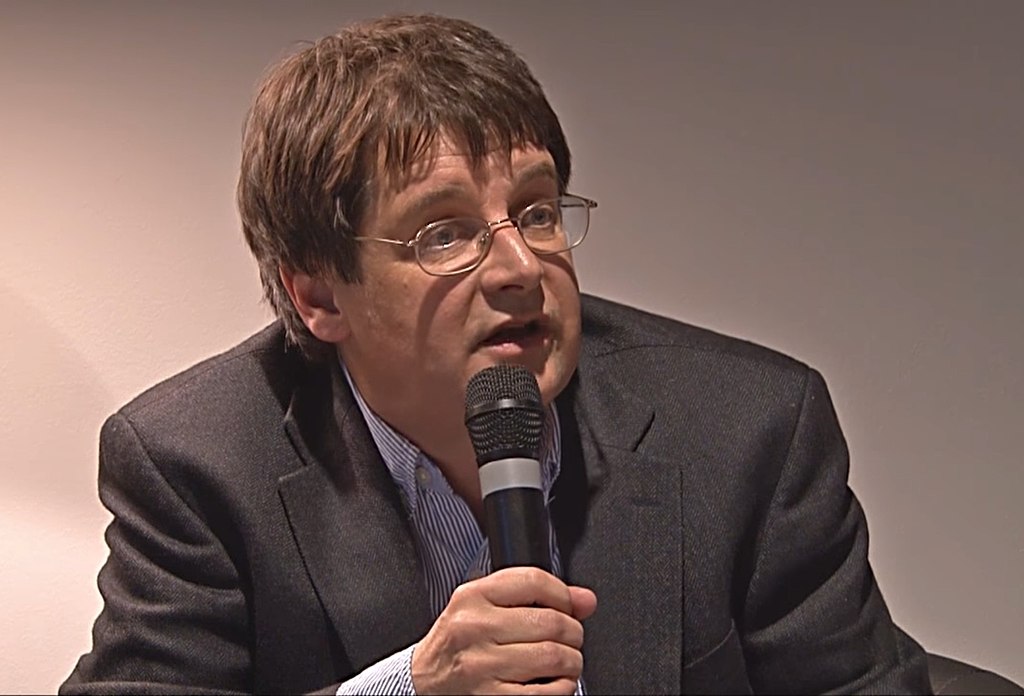
John Bellamy Foster, born in 1953, is a prominent sociologist with a focus on Marxist theory and ecological sociology. He serves as a professor at the University of Oregon and editor of Monthly Review. His research explores monopoly capitalism, ecological crisis, and ecosocialism, earning him notable awards for his impactful scholarship.
-
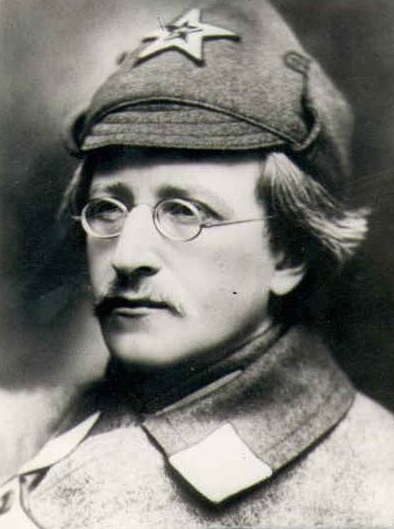
Vladimir Antonov-Ovseenko was a key figure in the early Soviet era, transitioning from soldier and Bolshevik organizer to diplomat and prosecutor. His roles included command in the Russian Civil War and serving as Consul General during the Spanish Civil War. He faced execution during Stalin’s purges but was posthumously rehabilitated.
-
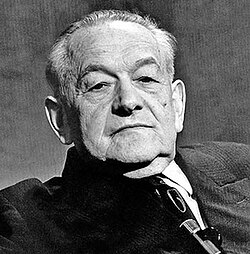
Leopold Trepper (1904–1982) was a key figure in 20th-century espionage and Soviet intelligence. As the leader of the “Red Orchestra,” he established a significant anti-Nazi network. After being captured by the Gestapo, he escaped and later faced suspicion in the USSR. His memoir, “The Great Game,” encapsulates his legacy.
-
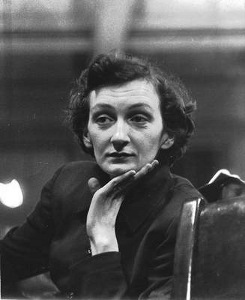
Anne McCarty Braden (1924–2006) evolved from a segregationist upbringing to become a prominent white ally in the civil rights movement. Her activism, sparked by the Turner case, emphasized the structural nature of racism and the necessity of anti-capitalist transformation, creating a lasting legacy of interracial solidarity and dissent against oppression.
-
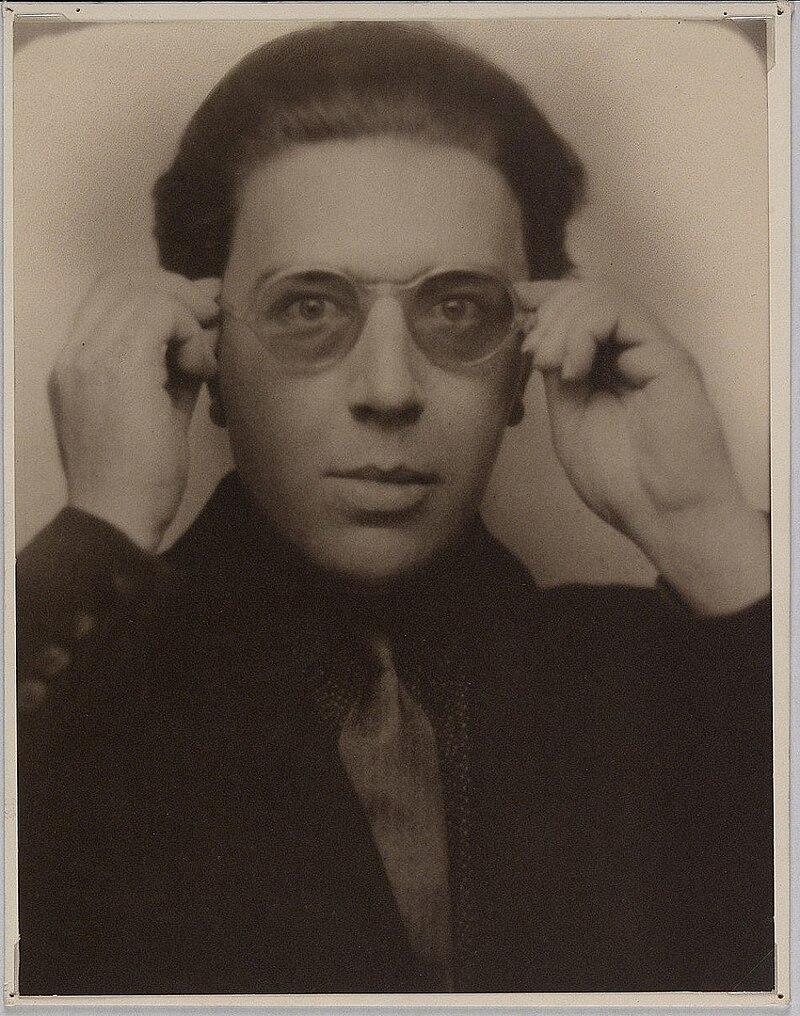
André Breton, born in 1896, was a key figure in Surrealism, blending literary and political pursuits. Initially influenced by Symbolist writers and psychiatry, Breton’s Dada involvement led to automatic writing, defining Surrealism in 1924. His complex relationship with Marxism aimed to connect art and revolution, impacting 20th-century cultural history significantly.
-
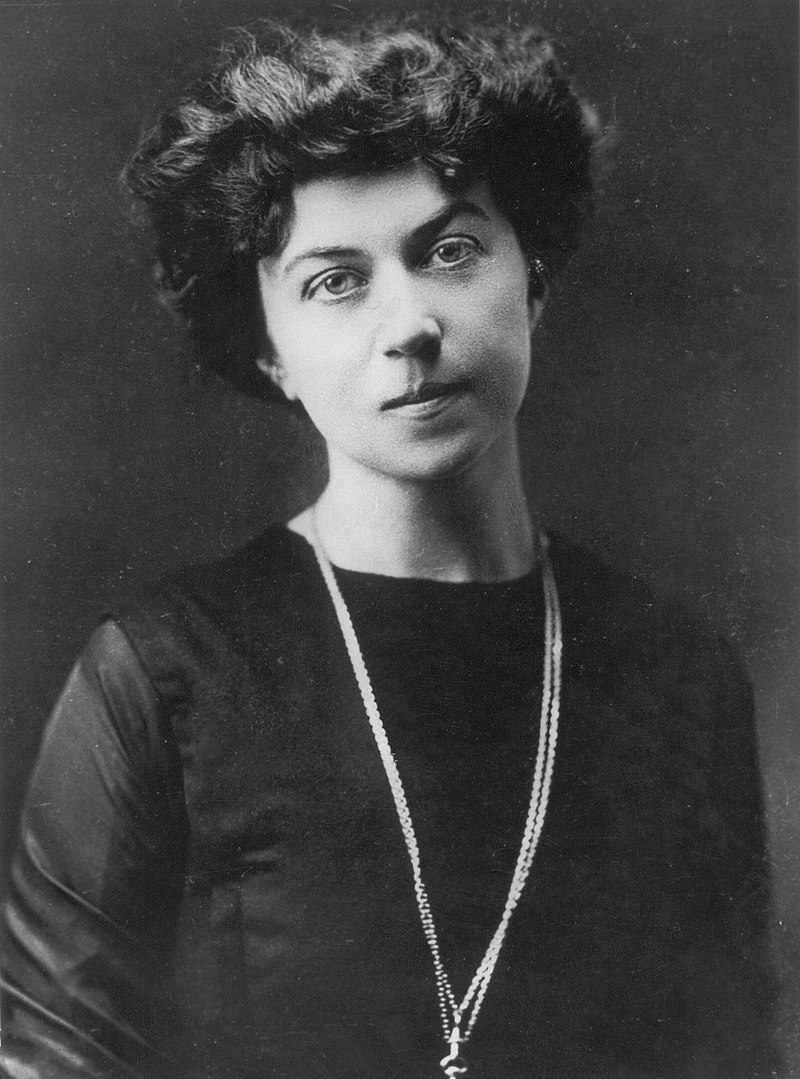
Alexandra Kollontai (1872–1952), a prominent socialist and the first female minister in history, challenged gender oppression under capitalism through Marxist ideology. A key figure in the Bolshevik Revolution, she advocated for women’s rights and social reforms, later criticizing bureaucratic centralization. Despite her marginalization, her feminist theories continue to influence contemporary thought.
-
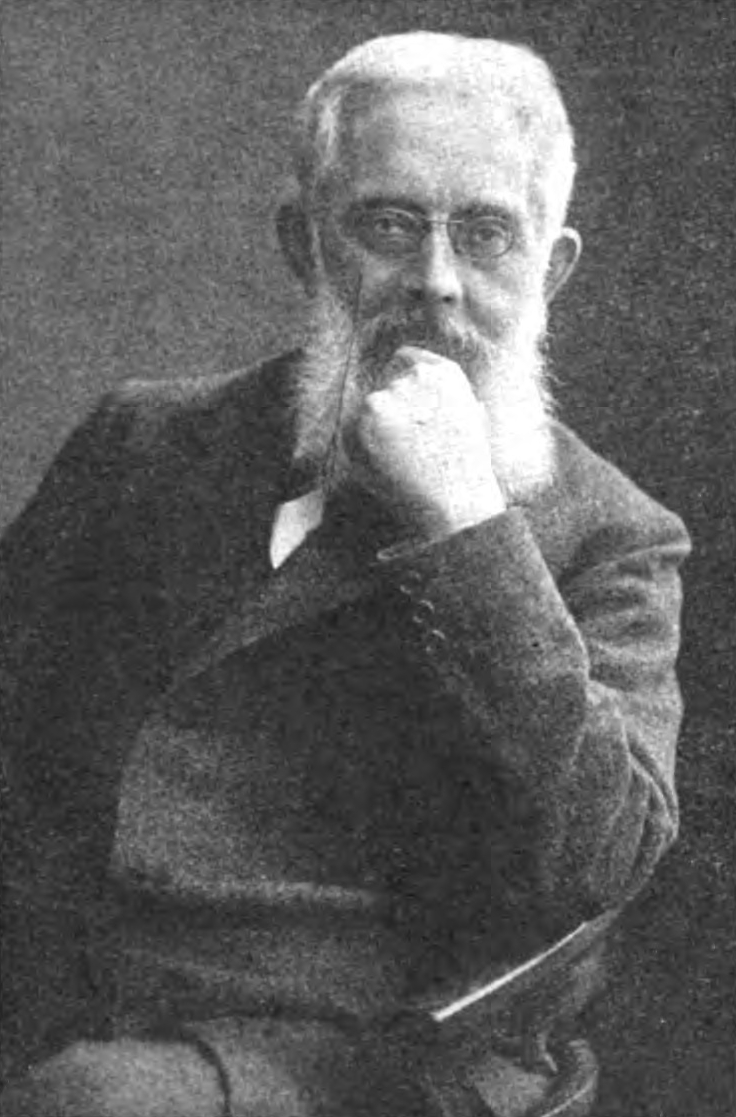
Franz Mehring (1846–1919) was a crucial figure in German Marxism, serving as historian, journalist, and political activist. His works, including a biography of Marx, highlight class struggle and critique bourgeois historiography. A founding member of the KPD, he embodied the tensions within socialism and left a lasting legacy in historical and literary criticism.
-
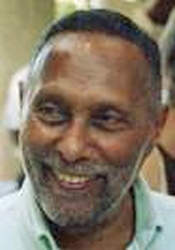
Stuart Hall (1932–2014) was a pivotal cultural theorist and founding figure in British Cultural Studies. His work explored media, race, identity, and political ideology, significantly shaping debates in cultural studies and critical race theory. Hall’s influence endures through his critical analyses of identity, power, and representation.
-
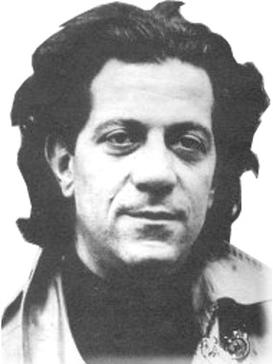
Nicos Poulantzas was a Greek Marxist theorist whose work focused on the state, political power, and class structure. Influenced by various intellectual traditions, he developed a structuralist theory of the capitalist state, later evolving to a strategic-relational approach. Poulantzas engaged with politics through Eurocommunism, leaving a lasting impact on Marxist political theory before his untimely…
-
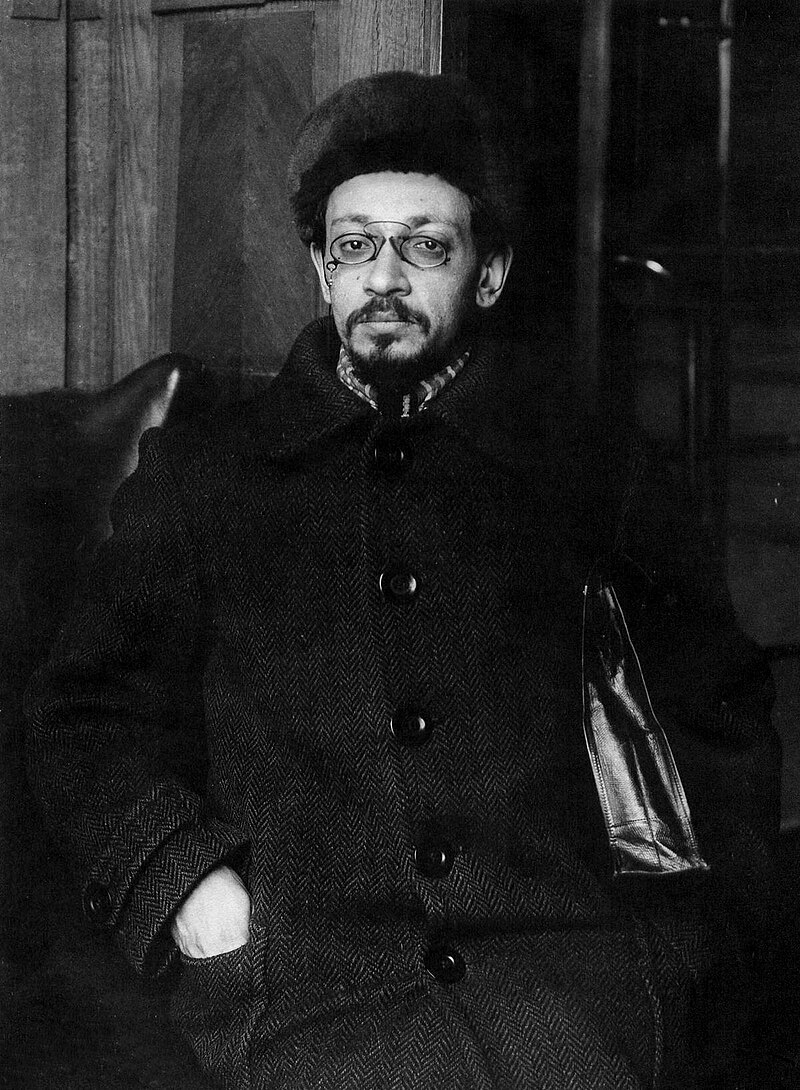
Yakov Sverdlov (1885–1919) was a key figure in the Russian Revolution, known for his organizational skills within the Bolshevik party. As the first head of the Soviet state, he played an essential role in consolidating power and developing the party-state structure. His early death curtailed a potentially significant political legacy.
 Letters from Tomis